Iran sent secret data to JD Vance exposing Kushner & Witkoff abuse? Ultimate leak to shock Trump
Source Entity
Latest News: Today's Latest News Headlines from India & World | Hindustan Times | Hindustan Times
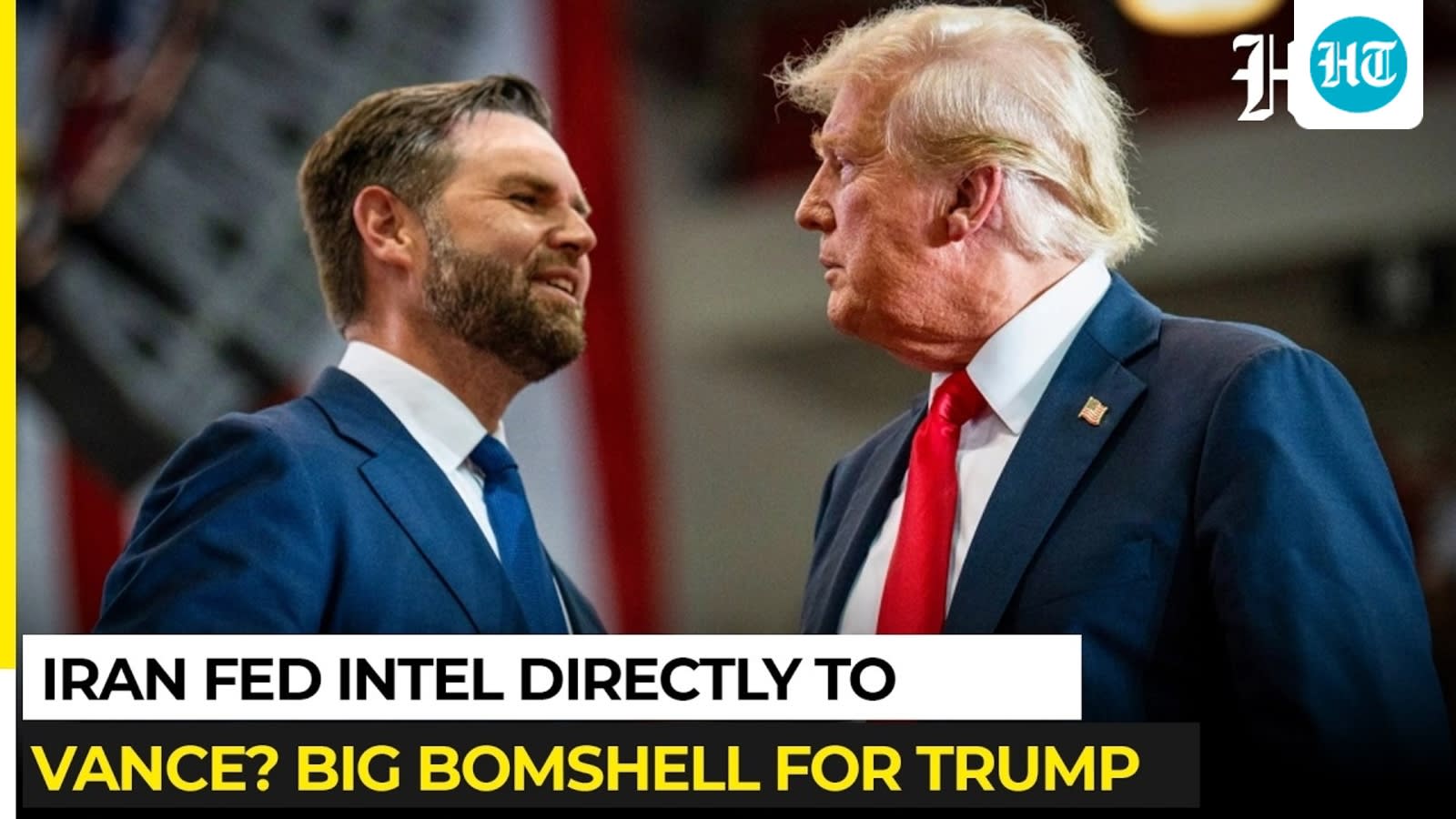
A report from Drop Site News alleges Iran sent a private message to JD Vance accusing Jared Kushner and Steve Witkoff of misusing confidential data. U.S. officials have denied these unverified claims, which highlight ongoing tensions in U.S.-Iran backchannel communications.
Allegations of Backchannel Misuse: The Iran-Vance Connection
A recent report published by Drop Site News has ignited significant political discourse regarding the integrity of backchannel communications between the United States and Iran. According to the report, which cites an anonymous Iranian official, Tehran claims to have transmitted a private message to U.S. Vice President JD Vance during the course of negotiations held in June. This development marks a complex intersection of international diplomacy and domestic political scrutiny.
The Core Allegations Against Kushner and Witkoff
At the heart of these allegations are claims that Jared Kushner and Steve Witkoff allegedly misused confidential negotiation details for personal financial gain. The Iranian source posits that this sensitive information, intended for diplomatic progress, was instead leveraged in a manner that constitutes a breach of ethics or security. These accusations represent a severe escalation in the narrative surrounding private dealings between foreign entities and individuals associated with the Trump administration’s sphere of influence.
Official Responses and Verification Challenges
It is critical to note that these allegations remain entirely unverified. A U.S. official has formally denied the claims, categorizing them as unsubstantiated. In the realm of international relations, where state actors often utilize information warfare to influence domestic political outcomes, such denials are standard. The lack of public documentation makes it difficult to ascertain the veracity of the Iranian claim, placing the burden of proof on the parties involved in the alleged communication.
Implications for U.S.-Iran Diplomacy
These reports underscore the fragility of backchannel diplomacy. When private negotiations are leaked or weaponized in the media, the trust required for such high-stakes communication is severely eroded. The involvement of a sitting Vice President in such a narrative suggests that Tehran may be attempting to draw domestic U.S. political figures into their broader geopolitical strategy, potentially hoping to leverage internal American political divisions.
Future Trends and Regional Stability
Looking forward, this incident could lead to a more rigid approach regarding how the U.S. handles informal diplomatic channels. If accusations of financial self-interest continue to plague the discourse surrounding private negotiations, it may become increasingly difficult for administrations to engage in the necessary, albeit quiet, dialogue required to manage regional tensions. The future of U.S.-Iran relations remains precarious, and this leak serves as a reminder of how quickly diplomatic processes can become entangled with domestic controversies.
Verification Required?