Iran War update: Five things to know after the resumption of hostilities
Source Entity
US Top News and Analysis
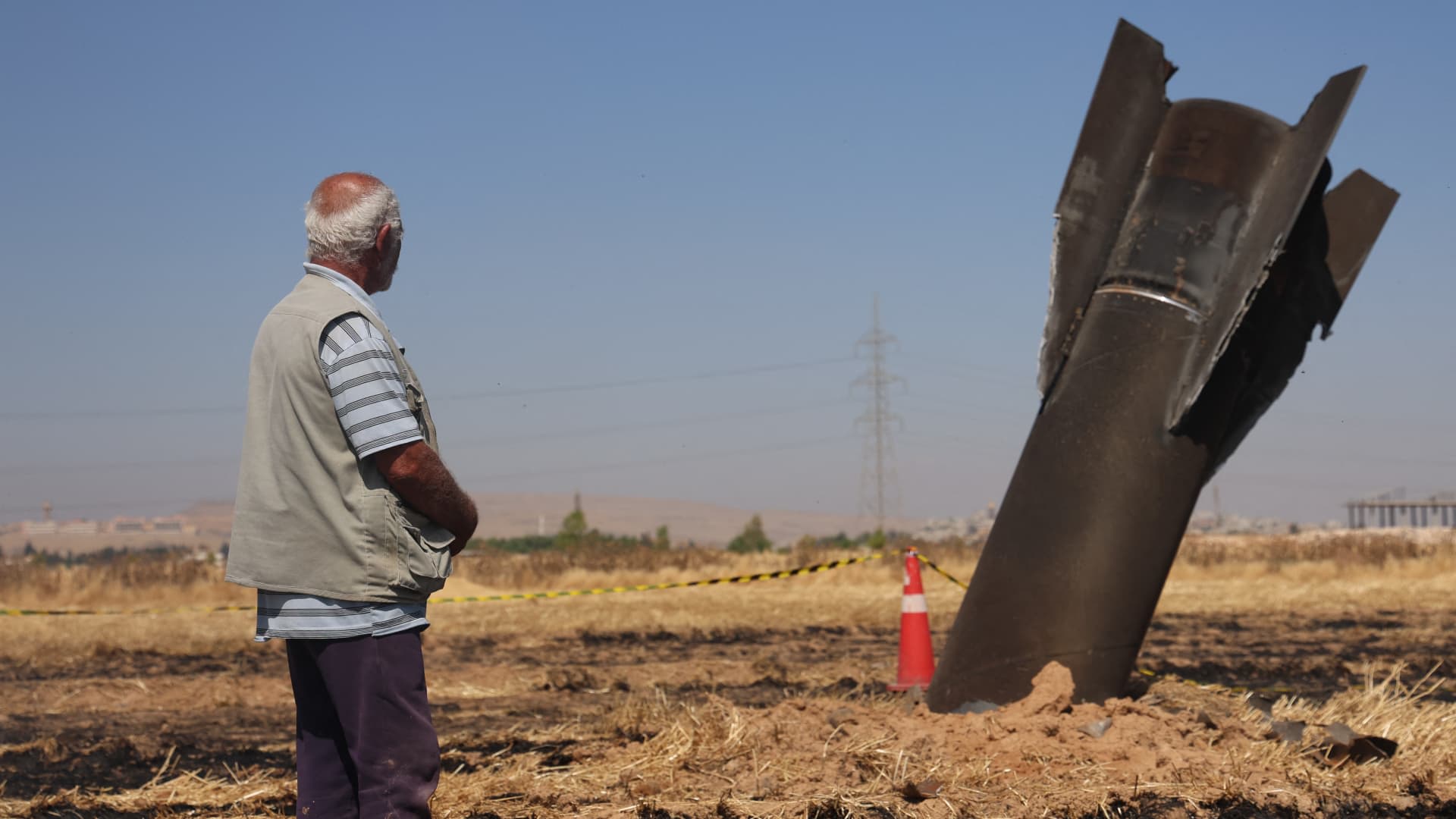
Tensions between the U.S. and Iran have escalated following President Trump's declaration that the ceasefire is over. Military strikes are currently disrupting critical shipping routes in the Strait of Hormuz.
The Resumption of Hostilities: A New Chapter in U.S.-Iran Tensions
Ten days have passed since U.S. President Donald Trump officially declared the ceasefire with Iran to be "over," signaling a rapid deterioration of regional stability. This shift marks a significant departure from previous diplomatic efforts to contain the conflict, plunging the Middle East back into a state of active military engagement. The immediate aftermath has seen both sides exchange fire, creating a climate of profound geopolitical uncertainty that reverberates across global markets.
Strategic Strikes and Military Objectives
At the heart of the current escalation is the U.S. Central Command's sustained aerial campaign. For ten consecutive nights, U.S. forces have conducted targeted strikes against Iranian infrastructure. According to official statements, these operations are specifically designed to "degrade Iranian capabilities" that have been utilized to threaten or attack commercial shipping vessels traversing the Strait of Hormuz. This focus on naval security highlights the strategic importance the U.S. places on maintaining open maritime corridors, even at the cost of direct military confrontation.
The Impact on Global Maritime Logistics
One of the most immediate consequences of the renewed hostilities is the tangible impact on the Strait of Hormuz. As a vital chokepoint for global oil and commodity transport, the disruption of traffic here has immediate economic ramifications. The conflict has forced a significant reduction in shipping activity, as commercial vessels face heightened risks from both direct military action and the collateral damage of intercepted munitions, such as the Iranian missile recently recovered in Syrian agricultural land near Najha.
Regional Spillover and Proxy Dynamics
The presence of intercepted Iranian munitions in Syria, specifically in the countryside of the capital, underscores how the conflict extends far beyond the borders of Iran and the United States. The involvement of Israeli air defense systems in intercepting these projectiles demonstrates the regional scope of the crisis. As the conflict intensifies, the threat of proxy warfare and the potential for regional allies to be pulled into the crossfire remain a primary concern for international observers.
Future Trends and Economic Outlook
Looking ahead, the trajectory of this conflict appears tied to the effectiveness of the U.S. military campaign in neutralizing Iranian maritime threats. If the "degradation" of these capabilities is successful, shipping traffic may normalize; however, if Iran responds with asymmetrical warfare or further escalatory measures, the global economy could face significant supply chain bottlenecks. Investors and policymakers alike are currently monitoring the Strait of Hormuz as the primary barometer for the duration and severity of this renewed war, with little indication of a return to the negotiating table in the immediate future.