'War booty': Cheap iPhone 18s advertised in Tehran after Hormuz shipwreck
Source Entity
VIVEK DUBEY
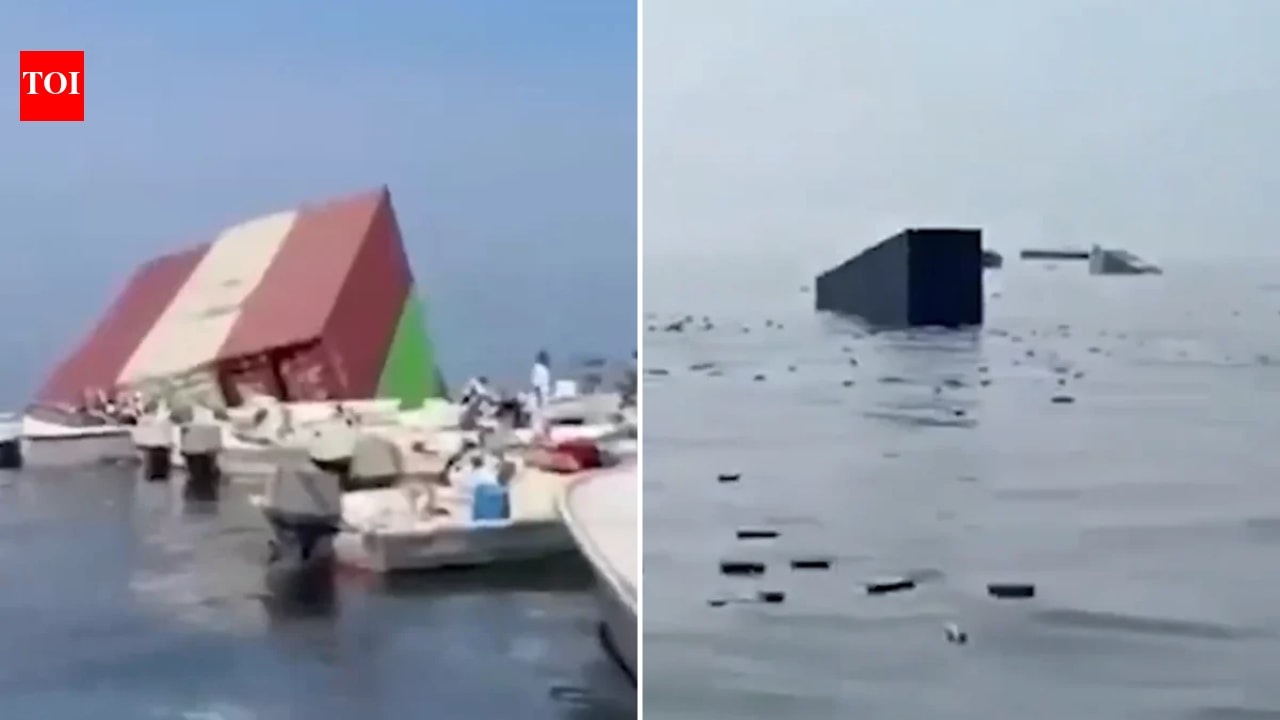
Following the sinking of the Singapore-flagged container ship GFS Pride in the Strait of Hormuz, local fishermen have been recorded recovering luxury goods from the water. The vessel reportedly caught fire after being struck by an unidentified projectile or sea mine, though all 21 crew members were safely evacuated.
The Strait of Hormuz Incident: A Maritime Salvage Frenzy
On October 14, the maritime landscape of the Strait of Hormuz became the site of an unusual salvage operation following the sinking of the Singapore-flagged container ship, the GFS Pride. As the vessel succumbed to a fire and subsequent sinking—reportedly triggered by an unidentified projectile or, as suggested by Iranian naval sources, a sea mine—its cargo began to spill into the vital shipping artery. The incident has drawn hundreds of local fishermen who, rather than pursuing their traditional catch, have mobilized in small boats to recover high-value consumer goods, specifically iPhones and luxury perfumes, that were liberated from the ship's containers.
The Human Element and Economic Motivation
The viral footage emerging from the region captures a stark contrast between the high-stakes geopolitical tension usually associated with the Strait of Hormuz and the opportunistic activity of local mariners. For the fishermen along Iran’s Gulf coast, who typically begin their days to the sounds of traditional bandari folk music, this week offered a rare and surreal opportunity. The sight of men navigating through partially submerged shipping containers to retrieve premium electronics highlights the intersection of desperate economic conditions and the chaotic aftermath of maritime accidents.
Contextualizing the GFS Pride Incident
While the recovery of luxury goods has dominated social media discourse, the underlying cause of the GFS Pride sinking remains a matter of significant concern. The transition from a standard shipping operation to a total loss, characterized by fire and structural failure, underscores the persistent volatility within the Strait of Hormuz. The safe evacuation of all 21 crew members is perhaps the most critical detail, preventing a humanitarian crisis from compounding the logistical disruption caused by the vessel's sinking.
Geopolitical Implications of Maritime Volatility
The Strait of Hormuz serves as one of the world's most sensitive maritime chokepoints. Incidents involving projectiles or sea mines in this region are rarely viewed in isolation; they are frequently analyzed through the lens of regional security and the protection of global trade routes. The fact that a commercial vessel was struck and forced to sink suggests a continued threat environment that complicates international shipping operations and insurance risk assessments for companies traversing these waters.
Future Trends and Security Outlook
Looking ahead, this incident will likely trigger increased scrutiny from maritime authorities regarding the safety of shipping lanes in the Persian Gulf. The ease with which local populations were able to access the wreck site to scavenge cargo also raises questions about maritime security enforcement and the ability of regional powers to secure disaster zones. As shipping companies evaluate the risks of operating through the Strait, we may see an increased reliance on private security, more stringent route planning, and heightened naval presence to deter further incidents of this nature.
Conclusion
In summary, the sinking of the GFS Pride is a multi-faceted event that combines the immediate drama of a maritime disaster with the broader, ongoing instability of the Strait of Hormuz. While the viral imagery of recovered iPhones has captured global attention, the event serves as a sobering reminder of the dangers inherent in one of the world's most vital economic arteries. The focus must now shift to the investigation of the cause of the sinking and the long-term impact on regional maritime safety protocols.