‘My blood pressure hit 230/110. This simple hold helped bring it down’
Source Entity
The Indian Express
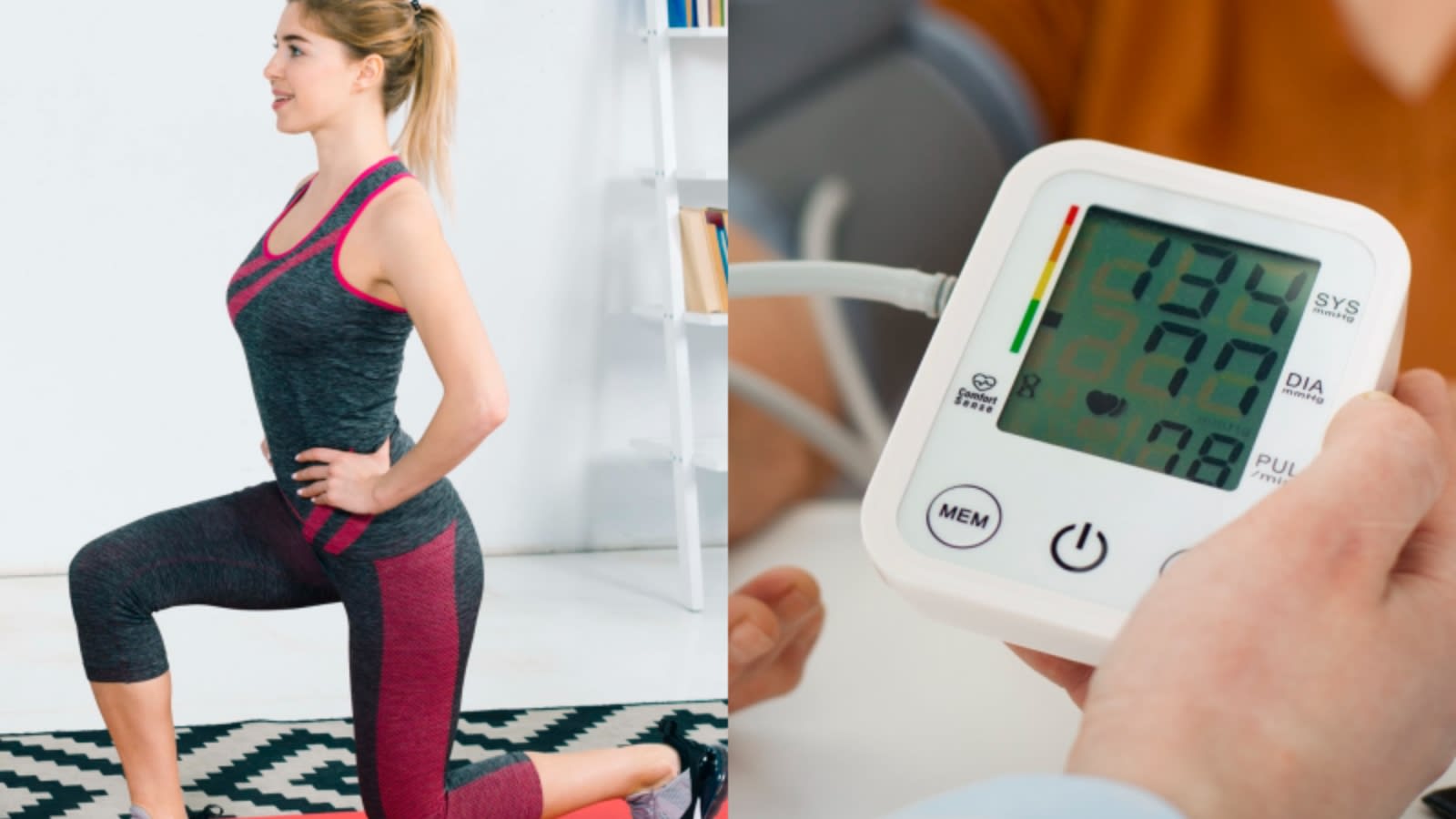
Neuroscientist Janet Peets highlights the effectiveness of isometric exercises, such as wall sits and handgrip holds, in reducing high blood pressure. Her findings align with a 2023 meta-analysis identifying isometric holds as superior to traditional cardio for blood pressure management.
The Efficacy of Isometric Training for Hypertension Management
Recent insights shared by neuroscientist Janet Peets have brought renewed attention to the role of isometric exercise in cardiovascular health. By recounting a personal experience where her blood pressure reached a critical level of 230/110, Peets highlighted a non-cardiovascular intervention that played a role in her recovery: the isometric hold. Unlike dynamic exercises that involve joint movement, isometric training requires maintaining a static position under tension, which creates unique physiological responses in the body.
Understanding the 2023 Meta-Analysis
Peets’ recommendations are grounded in a substantial 2023 scientific analysis that evaluated 270 studies to determine the most effective exercise modalities for lowering blood pressure. The study found that while traditional aerobic exercise has long been the gold standard, isometric training—specifically wall sits and handgrip holds—demonstrated superior efficacy in blood pressure reduction. This shift in understanding suggests that static resistance may provide a more efficient mechanism for improving vascular tone and endothelial function than previously recognized.
The Mechanics of Isometric Holds
Isometric exercises function by creating sustained muscular contraction without the eccentric or concentric phases of movement. When performed, these holds can lead to a transient increase in blood pressure during the exertion, followed by a significant post-exercise reduction. This phenomenon is often attributed to improvements in arterial compliance and autonomic nervous system regulation. By focusing on wall sits and handgrip exercises, individuals can engage large muscle groups or specific peripheral vascular beds to elicit these therapeutic benefits.
Practical Application and Safety
For those looking to integrate these findings into a daily routine, the emphasis remains on accessibility. Peets suggests starting with short, manageable holds rather than attempting prolonged exertion immediately. This approach minimizes the risk of injury while allowing the body to adapt to the specific demands of static tension. Given the severity of the blood pressure readings mentioned, this method is presented as a complementary tool rather than a replacement for professional medical oversight or prescribed pharmacotherapy.
Broader Implications for Cardiovascular Health
Moving forward, the integration of isometric training into standard fitness protocols could offer a low-barrier solution for populations with limited mobility or those who find traditional high-intensity cardio prohibitive. As research continues to validate these findings, the potential for using simple home-based movements to manage hypertension could significantly alter public health strategies. By moving beyond the 'cardio-only' mindset, we open new pathways for preventative care that prioritize sustainability and physiological efficacy.