Iran's big win: LIVE interview that exposed full-blown power struggle inside Israel’s leadership
Source Entity
Latest News: Todays Latest News Headlines from India & World | Hindustan Times | Hindustan Times
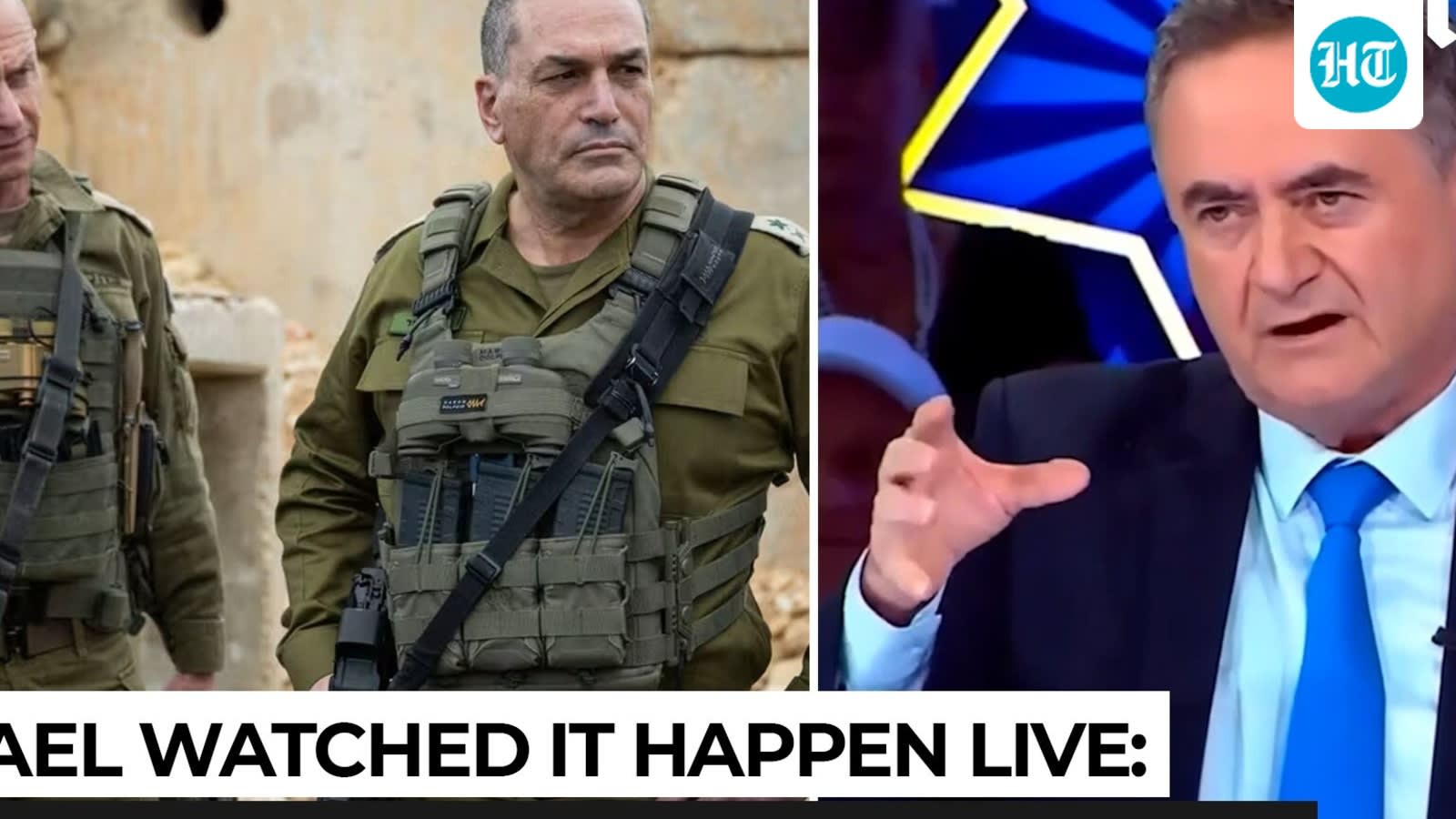
A deepening rift has emerged between Israeli Defence Minister Israel Katz and the IDF following an uncoordinated military reshuffle. This internal friction complicates ongoing operations in Gaza and Lebanon alongside critical hostage and ceasefire negotiations.
The Internal Fracture: Analyzing Israel’s Military-Political Crisis
Recent reports indicate a significant escalation in internal tensions within Israel’s security establishment, centered on a public rift between Defence Minister Israel Katz and the Israel Defense Forces (IDF) leadership. The contention stems from Katz’s decision to announce a high-level military reshuffle without prior coordination with the army’s top brass. This breakdown in protocol is not merely a bureaucratic error; it reflects a deeper, systemic power struggle regarding the oversight and command structure of the Israeli military during a period of intense national crisis.
The Impact on Ongoing Operations
This lack of alignment between the Ministry of Defence and the IDF comes at a precarious moment as Israel continues its multifaceted military operations in both Gaza and Lebanon. Historically, the strength of Israel’s security apparatus has rested on a cohesive relationship between political leadership and the professional military command. When this cohesion falters, the operational efficacy on the ground can be compromised, as clear lines of authority are blurred during high-stakes maneuvers.
Implications for Diplomatic Negotiations
Beyond the battlefield, this internal discord arrives at a critical juncture for ceasefire and hostage negotiations. External adversaries often view domestic instability as a sign of vulnerability, potentially hardening the positions of groups like Hamas and Hezbollah during delicate talks. If the Israeli government cannot present a unified front, the international community and mediating nations may find it increasingly difficult to gauge the stability and long-term commitment of Israeli leadership to any potential peace agreements.
Historical Context of Civil-Military Relations
Throughout Israel's history, the relationship between the Minister of Defence and the Chief of Staff has been a cornerstone of the nation’s security policy. Public disagreements of this magnitude are rare, as they risk eroding public trust in the state's ability to navigate existential threats. The current friction suggests a shift in the traditional balance of power, where political appointees are asserting more direct control over military appointments, often bypassing the established consultative processes that have historically served as a check and balance.
Future Trends and Outlook
Looking ahead, the resolution of this conflict will be pivotal. If the rift continues to widen, it could lead to a broader crisis of governance, potentially forcing a realignment of the current cabinet or a reconsideration of how military appointments are handled. Observers should monitor whether this reshuffle is successfully implemented or if the military establishment forces a reversal, as the outcome will signal whether political influence or professional military autonomy currently holds the upper hand in Israel's strategic decision-making.
Conclusion
The public nature of this dispute represents a dangerous distraction from the operational and diplomatic challenges currently facing Israel. To maintain stability, the government must reconcile the competing visions of the Ministry of Defence and the IDF. Until a unified chain of command is restored, the effectiveness of both the military operations and the ongoing negotiations for hostages will likely remain under a shadow of uncertainty.
Verification Required?