72 Dead As Record 60,000 Migrants Surge Into Spain's Ceuta
Source Entity
NDTV News Search Records Found 1000
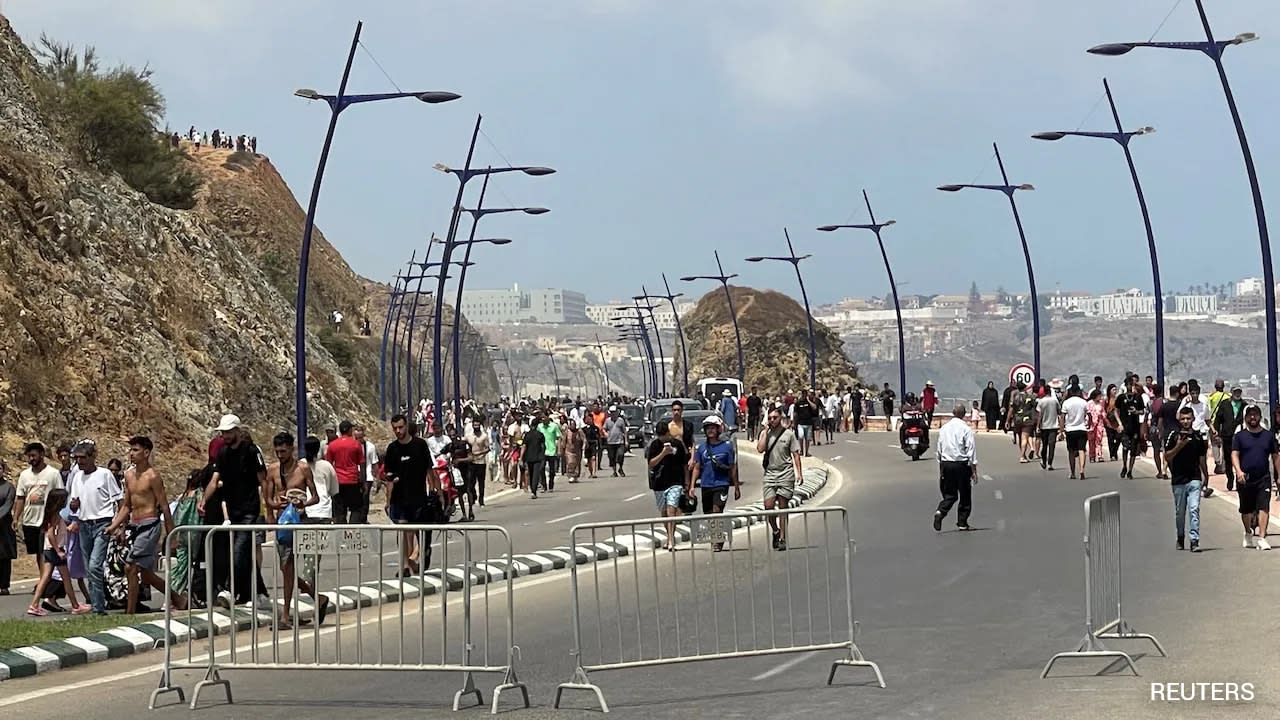
Spain has reinforced the border of its North African enclave, Ceuta, with a floating barrier following a surge of 60,000 migrants from Morocco. The crisis, which resulted in 67 deaths, has prompted a firm response from the Spanish government as they work to manage the humanitarian and security challenges.
The Ceuta Border Crisis: An Unprecedented Surge
The recent events in Ceuta, a Spanish territory on the North African coast, represent a significant escalation in the ongoing challenges surrounding migration into Europe. With an estimated 60,000 individuals crossing from Morocco into this small enclave—a territory typically home to only 83,000 residents—local infrastructure and security resources have been pushed to their absolute limit. The sheer scale of this movement, characterized by individuals swimming, using inflatables, and breaching border fences, underscores the volatile nature of the region as a primary transit point for those seeking entry into the European Union.
The Humanitarian Cost and Immediate Response
The human cost of this migration event has been devastating, with reports confirming at least 67 deaths during the crossing attempts. This tragic loss of life highlights the extreme risks migrants take to reach European soil. In response, Spanish authorities have initiated a rapid security expansion, most notably the installation of a 500-metre floating barrier off the Tarajal breakwater. This pneumatic structure, designed to impede unauthorized maritime access, is further reinforced by anchored naval buoys and patrolled by the Civil Guard to prevent future breaches.
Political Tensions and Government Action
Prime Minister Pedro Sánchez has characterized the influx as an "attack," reflecting the heightened diplomatic and political tensions between Spain and Morocco. The Spanish government’s stance has been uncompromising, with a clear directive that illegal migrants will be returned to Morocco as quickly as possible. This approach has already seen a significant shift in the population count; by Friday, officials confirmed that tens of thousands of those who had crossed had already returned to Morocco voluntarily, easing some of the immediate pressure on Ceuta’s overwhelmed systems.
Historical Context of the Enclave
Ceuta has long served as a unique geopolitical flashpoint. As a Spanish enclave on the northern coast of Morocco, it effectively acts as a land border between the European Union and the African continent. This status has historically made it a magnet for migrants, leading to years of complex border management challenges. The recent surge is not an isolated incident but rather an extreme iteration of a long-standing pattern of pressure on these specific border points.
Future Implications and Regional Stability
The implementation of the new floating barrier and the increased naval presence suggest a shift toward more permanent, physical deterrence strategies in the Mediterranean. As Spain continues to balance its humanitarian obligations with the necessity of maintaining border integrity, the diplomatic relationship with Morocco will remain critical. Future trends indicate that as long as Ceuta remains a perceived gateway to Europe, it will continue to be the epicenter of complex migration dynamics, requiring a delicate balance of regional cooperation and robust enforcement to prevent further loss of life and logistical collapse.
Multiple Citing Sources
Verification Required?