'Don't Befriend Kafirs': Pak General Spews Religious Hate, Targets India
Source Entity
NDTV News Search Records Found 1000
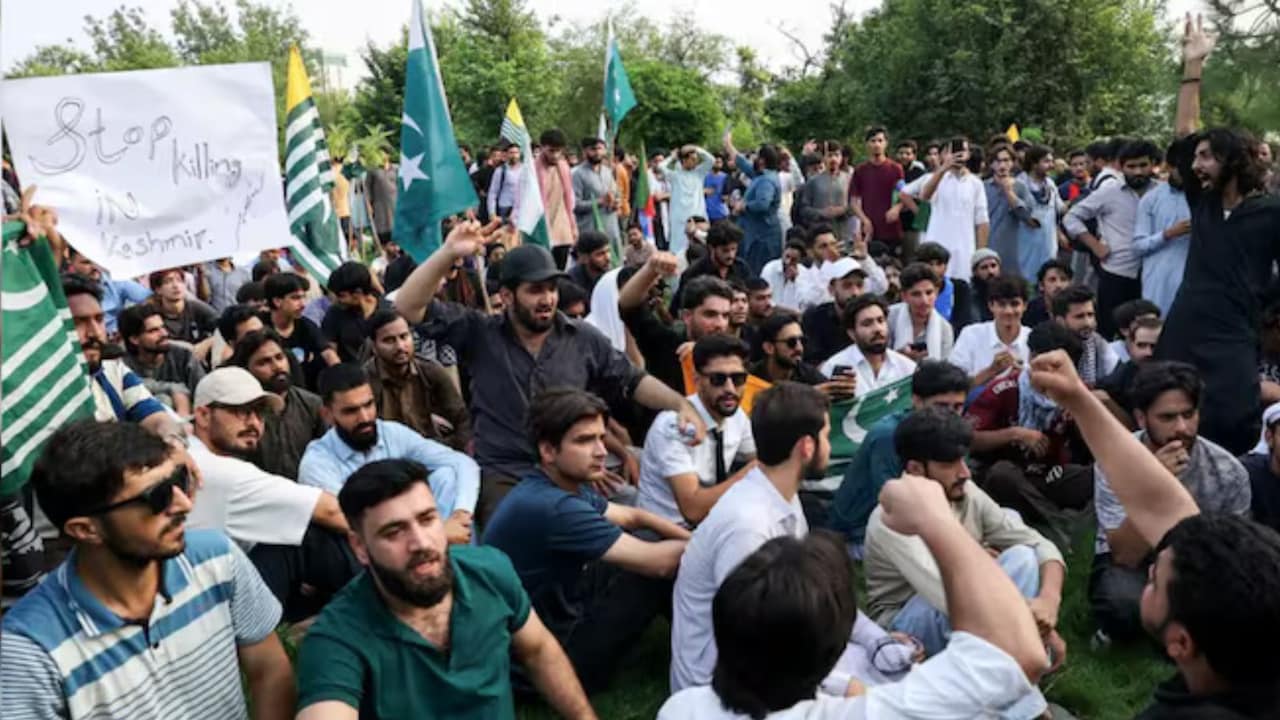
A Pakistani military official has sparked controversy by utilizing inflammatory religious rhetoric to target India while addressing unrest in Balochistan. The official attributed the region's ongoing insurgency to external interference, further straining regional geopolitical tensions.
The Rhetoric of Division: Analyzing Recent Anti-India Sentiments
Recent reports indicate that a high-ranking Pakistani military official has employed highly divisive and exclusionary religious terminology while addressing the volatile situation in Balochistan. By explicitly warning against fraternization with 'Kafirs'—a term historically used to denote non-believers—the official has injected sectarian and communal undertones into a complex geopolitical conflict. This rhetoric marks a significant shift in the tone of public discourse, moving away from traditional diplomatic posturing toward a more radicalized narrative that seeks to frame national security concerns through a strictly religious lens.
The Balochistan Insurgency and the 'External Powers' Narrative
Central to the officer's statement is the recurring claim that the insurgency in Balochistan is not an internal manifestation of systemic grievances, but rather the result of 'external powers.' By blaming India for the instability in the province, the Pakistani military establishment continues to utilize a long-standing strategic playbook. This narrative serves to delegitimize local separatist movements by portraying them as proxies for foreign intelligence agencies, thereby justifying intensified security crackdowns and the suspension of civil liberties in the region.
Historical Context of Indo-Pak Tensions
To understand the gravity of these remarks, one must look at the historical trajectory of Pakistan-India relations. The use of religious terminology in state-level discourse is not merely a rhetorical flourish; it is a calculated effort to mobilize domestic sentiment. Historically, the 'Kafir' narrative has been used to solidify internal cohesion by creating a clear 'us vs. them' dichotomy. By invoking such language, the military official is likely attempting to consolidate support among conservative segments of the population, effectively insulating the state from criticism regarding its handling of the Balochistan crisis.
Geopolitical Implications and Regional Stability
This incident carries significant weight for regional stability. When military leadership adopts the language of religious extremism to address cross-border tensions, it reduces the space for diplomatic engagement and de-escalation. The international community, particularly regional stakeholders, often views such rhetoric as a sign of institutional fragility. If the state relies on hate speech to distract from internal insurgencies, it risks further isolation on the global stage and complicates potential future negotiations with India.
Future Trends and Strategic Outlook
Looking ahead, it is probable that this trend of securitizing religious identity will continue as long as the Balochistan insurgency remains unresolved. As the Pakistani state faces economic and internal pressures, the temptation to scapegoat external entities using inflammatory language may increase. Observers should monitor whether this rhetoric translates into concrete policy shifts or if it remains a tactical distraction. Ultimately, such language risks deepening the communal divide and undermining the prospects for long-term peace in South Asia.
Verification Required?