No clear election majority, coalition talks, president's intervention: Where Israel stands
Source Entity
Latest News: Todays Latest News Headlines from India & World | Hindustan Times
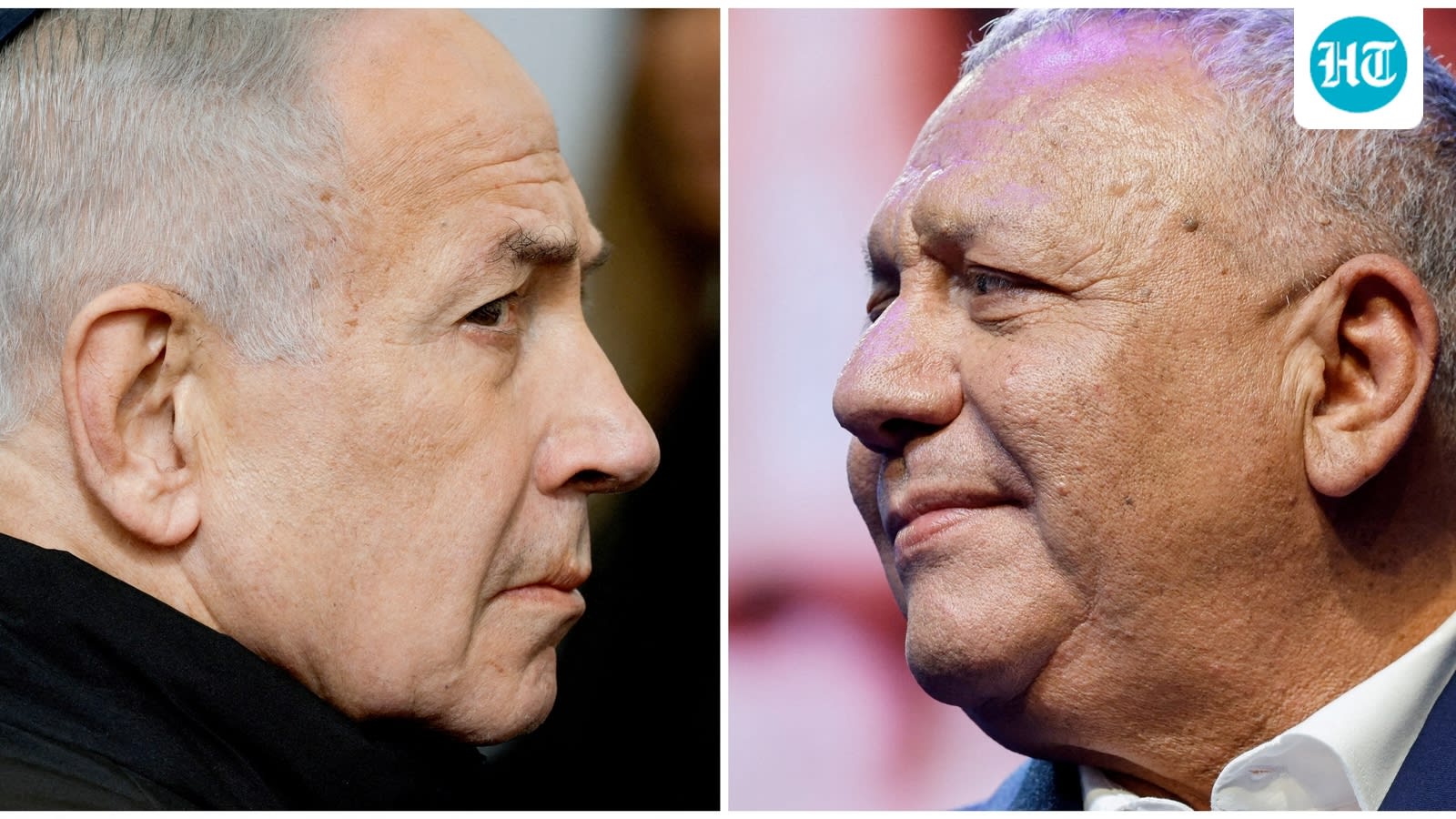
Israel's October 27 election resulted in a hung parliament, with no bloc reaching the 61-seat majority. Arab parties have emerged as pivotal power brokers as coalition negotiations begin ahead of the official November 4 results.
The Impasse: Israel’s Post-Election Political Landscape
Israel’s parliamentary elections held on October 27, 2026, have resulted in a significant political deadlock, reflecting a deeply fractured electorate. With the Netanyahu-led bloc securing 53 seats and the bloc headed by Gadi Eisenkot trailing with 48, neither faction has achieved the 61-seat threshold required to form a governing coalition in the 120-member Knesset. This outcome underscores the intensifying polarization that has characterized Israeli politics since the onset of the conflict in Gaza and other regional theaters in 2023.
Record Turnout Amidst Conflict
The election was marked by an unprecedented engagement from the public, with a voter turnout of 77.9%. This figure represents the highest participation rate in Israel since 1999, signaling that despite the exhaustion caused by prolonged military engagement, the citizenry remains deeply invested in the nation’s democratic processes. This high turnout suggests that voters are seeking a definitive path forward, yet the fragmented results indicate that the public remains divided on the best strategy for national stability.
The Rise of Arab Parties as Kingmakers
A defining feature of this election cycle is the historic performance of Israel's Arab parties. The Joint List (comprising Hadash, Ta'al, and Balad) and Ra'am have collectively secured 19 seats. This achievement elevates their status from peripheral participants to essential power brokers. As the two primary blocs scramble to secure a majority, the leverage held by these parties is immense, potentially forcing a paradigm shift in how coalition governments are constructed in Israel.
The Path to Coalition Negotiations
With official results pending until November 4, the political climate is defined by intense back-room maneuvering. The necessity of coalition building is a structural feature of Israel’s proportional representation system, but the current math makes the task particularly arduous. Both Netanyahu and Eisenkot must now navigate the demands of smaller, ideological parties to consolidate power, a process that historically involves complex policy concessions and ministerial appointments.
Future Implications and Stability
The inability of any single bloc to secure a clear mandate suggests a period of protracted instability. The reliance on smaller factions for a majority often limits a government's policy-making capacity, as coalition partners can exert outsized influence over the legislative agenda. Looking ahead, the nation faces a difficult period of negotiation that will dictate its policy trajectory regarding the ongoing conflicts and domestic socioeconomic challenges. The president's intervention may soon become necessary to break the deadlock and prevent another cycle of early elections.
Verification Required?