UK and EU agree draft deal to scrap Brexit red tape over food exports
Source Entity
BBC News
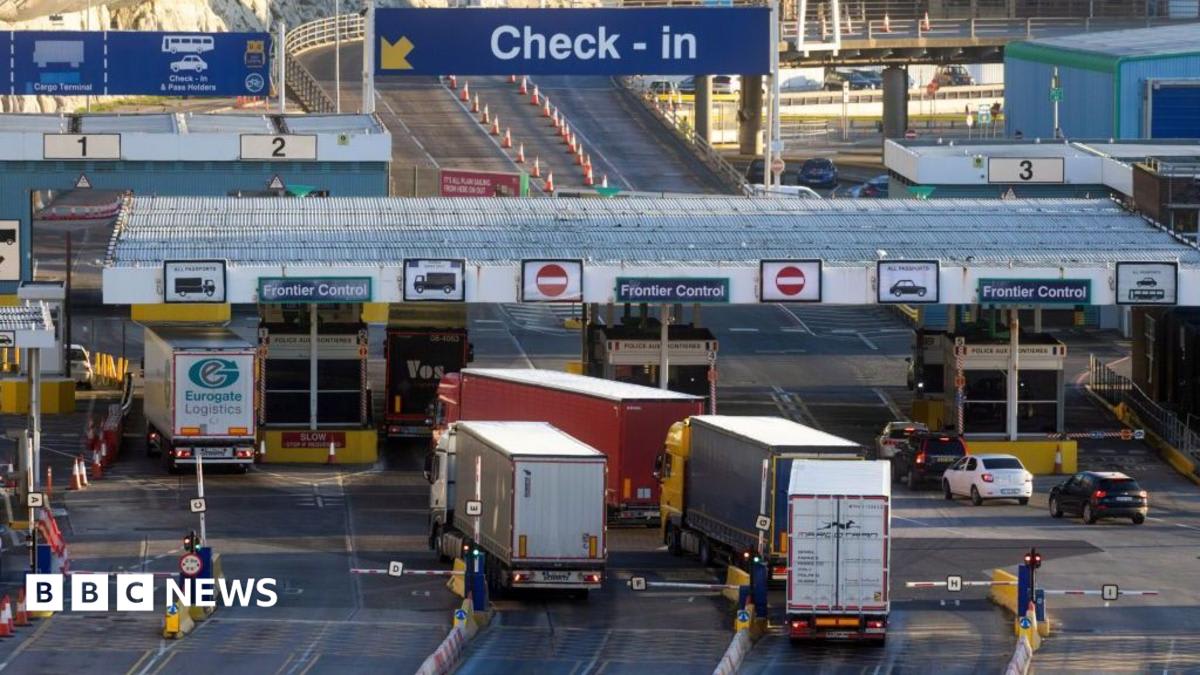
The UK and EU have reached a draft agreement to reduce trade barriers on food exports, marking a key step in post-Brexit relations. The deal facilitates trade in items like sausages and potatoes while introducing 'dynamic alignment' with EU standards.
A New Chapter in UK-EU Trade Relations
The recent announcement of a draft deal between the United Kingdom and the European Union represents a significant milestone in the ongoing effort to ease the logistical burdens created by Brexit. By targeting the reduction of "red tape" for food exports, both parties are signaling a pragmatic shift toward normalizing trade flows for critical goods that have faced friction since the UK's departure from the single market.
The Scope of the Agreement
This agreement covers a wide array of agricultural and food products, including fresh sausages, burgers, and shellfish harvested from domestic UK waters. Furthermore, the inclusion of seed potatoes in this deal is a vital development for the UK's agricultural sector, which has long sought to regain seamless access to European markets. Beyond commercial trade, the agreement also addresses the practical needs of citizens by introducing "passports" for UK pets traveling into the EU, resolving a common point of frustration for travelers.
The Mechanism of Dynamic Alignment
Central to this breakthrough is the commitment by the UK to "dynamic alignment" with existing EU regulations regarding plant, animal, and food trade standards. This framework requires the UK to adapt its domestic rules to match the EU’s evolving regulatory landscape. While this ensures a frictionless border for these specific goods, it represents a strategic decision by the UK government to prioritize market access over the freedom to diverge from European regulatory frameworks in these specific sectors.
Managing Regulatory Divergence
Despite the push for alignment, the UK has signaled that it intends to maintain its own path in certain innovative areas, such as "precision breeding" of plants—a technique formerly described as gene editing. The agreement manages this tension by establishing transition arrangements. These arrangements are designed to keep trade fluid even as the EU introduces new regulations, ensuring that the UK's pursuit of agricultural innovation does not immediately trigger trade barriers.
Legislative Framework and Future Outlook
The government's introduction of the European Partnerships Bill is a foundational step in codifying these new arrangements into domestic law. By providing a legal basis for these agreements, the UK is attempting to create a more stable, predictable environment for businesses that rely on cross-channel exports. This legislative move suggests that the current "Brexit reset" is not merely a temporary diplomatic gesture but a structural realignment of the UK’s trading relationship with its largest neighbor.
Broader Implications
Ultimately, this deal serves as a litmus test for the future of UK-EU relations. As the two sides prepare for a summit later this month, this success provides a template for how the UK might manage its sovereignty while maintaining the functional benefits of proximity to the European single market. If successful, this model of dynamic alignment could potentially be expanded to other sectors, paving the way for a more integrated, albeit complex, post-Brexit economic partnership.