As Israel votes, meet the leaders fighting for years to give Indian jews a voice in Knesset
Source Entity
Zeeshan Shaikh, Nayonika Bose
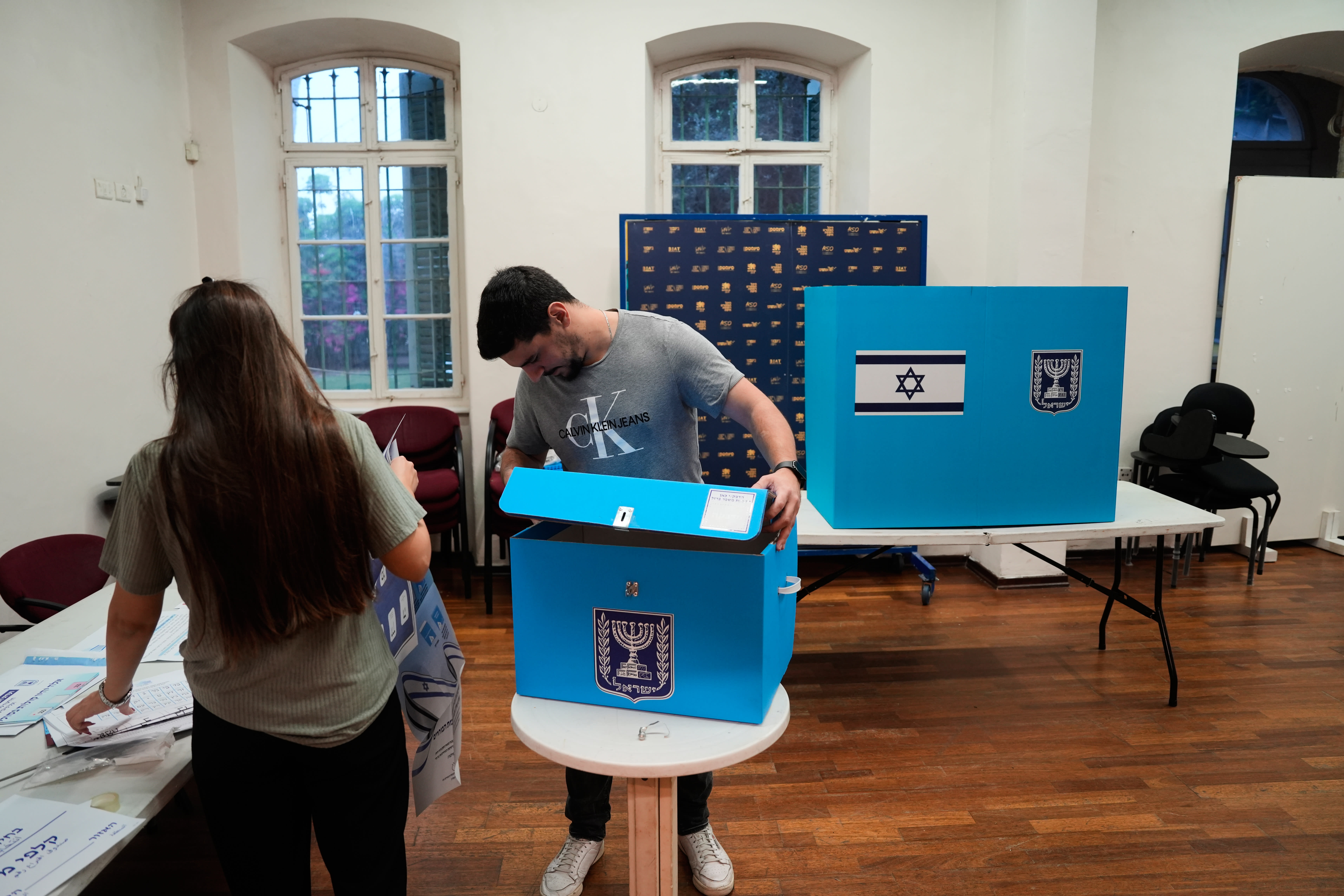
As Israel holds elections for the 26th Knesset, Yaniv Ashtamker is running on the Tzomet Beit Yisrael ticket to represent the Indian-origin Jewish community. This bid marks a significant effort to revive political advocacy for the community, which has sought parliamentary representation since 1984.
The Quest for Representation: Indian-Origin Jews in Israeli Politics
As Israel conducts its elections for the 26th Knesset, a notable development has emerged from the community of Indian-origin Jews. Yaniv Ashtamker, a dedicated community leader based in Kiryat Gat, has secured the third position on the Tzomet Beit Yisrael party ticket. This candidacy represents a pivotal moment for a demographic that has long sought to integrate its unique cultural and historical concerns into the national legislative agenda of Israel.
Historical Context: A Decades-Long Struggle
The current political push by Ashtamker is not an isolated event but rather the continuation of a long-standing aspiration. The community’s previous attempt to secure parliamentary representation dates back to the July 1984 election. While that initial bid did not result in a seat, it established a precedent for political engagement that has persisted for four decades. The failure of the 1984 effort highlighted the structural challenges faced by immigrant communities in navigating Israel's complex proportional representation system, yet it laid the groundwork for future attempts at institutional influence.
The Bene Israel and Cultural Identity
Central to this narrative is the history of the Bene Israel, the largest of the Indian-Jewish communities. With ancestral roots deeply embedded in the Konkan coast of Maharashtra, the Bene Israel brought with them distinct traditions that have occasionally faced scrutiny regarding religious recognition within the Israeli rabbinical establishment. By seeking a voice in the Knesset, leaders like Ashtamker aim to address these specific identity-based concerns, ensuring that the community's heritage is not merely preserved but actively protected through legislative advocacy.
Political Strategy and Community Mobilization
Contesting on the Tzomet Beit Yisrael ticket, Ashtamker’s presence on the list reflects a strategic effort to consolidate the community's voting power. In an electoral system where small parties often struggle to cross the threshold, the ability to mobilize specific ethnic or cultural interest groups is essential. By focusing on the specific grievances and contributions of Indian Jews, the campaign seeks to transform their demographic presence into tangible political capital.
Broader Implications for Israeli Democracy
The bid for representation by Indian-origin Jews underscores the evolving nature of Israel's democratic landscape. As the nation continues to integrate diverse waves of immigration, the Knesset remains the primary theater where different cultural identities contend for recognition. The success or failure of this current electoral effort will provide significant insights into how minority groups within the broader Jewish diaspora can effectively advocate for their interests within the state's legislative framework.
Conclusion
Yaniv Ashtamker’s candidacy serves as a poignant reminder of the enduring desire for community representation in a diverse society. Whether or not this bid results in a seat in the 26th Knesset, the effort itself signifies a maturation of the Indian-Jewish community's political consciousness. As the results unfold, the focus remains on whether this historic community can finally secure the parliamentary voice it has pursued for over forty years.