Israel kills Hamas commander in strike on Gaza camp, officials say
Source Entity
BBC News
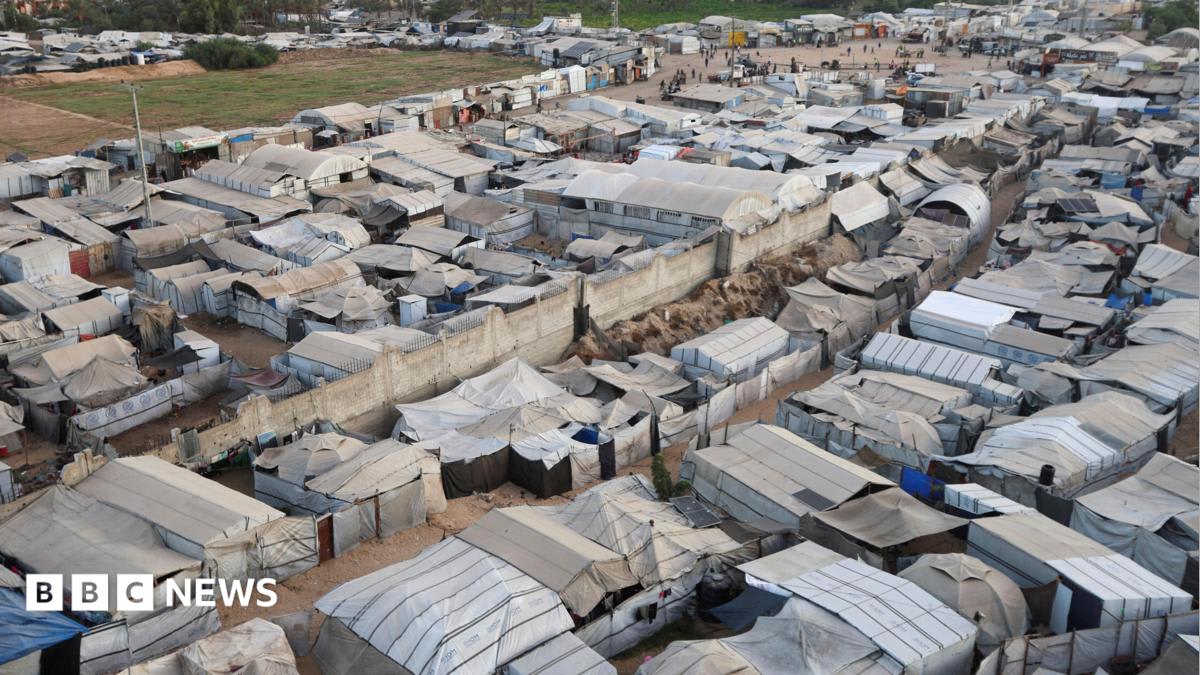
Israel has confirmed the targeted killing of Samir Abu Younis, a senior Hamas commander of the Rafah Brigade, in an airstrike on the Al-Mawasi camp. The strike, which Hamas has also acknowledged, marks a significant blow to the group's military leadership in the southern Gaza Strip.
Targeting Hamas Leadership in Southern Gaza
The Israeli military has confirmed the successful neutralization of Samir Abu Younis, the commander of Hamas's Rafah Brigade, following a precision airstrike in the Al-Mawasi region of the southern Gaza Strip. This operation represents a significant tactical development in the ongoing conflict, as Abu Younis was identified by Israeli officials as a key architect and overseer of the 7 October 2023 attacks on Israel. His death has been corroborated by both Hamas’s Al-Qassam Brigades and local officials, with the group announcing that funeral services for the 53-year-old commander were held in Khan Younis.
Operational Context and Mitigation Efforts
The strike occurred within the Al-Waha camp in Al-Mawasi, an area currently sheltering significant numbers of displaced civilians. According to reports from the Israel Defense Forces (IDF), the military operation was designed to specifically target the commander, with officials stating that specific steps were taken to mitigate harm to non-combatants prior to the engagement. Despite these stated precautions, eyewitness accounts describe a chaotic scene where four missiles impacted a tent, subsequently triggering a fire. Medical sources at Nasser Hospital have confirmed that individuals injured in the incident were transported to their facility for care.
Historical Significance of the Commander
Samir Abu Younis held a long-standing position within the Hamas infrastructure, having joined the Al-Qassam Brigades in 1991. Over the course of more than three decades, he ascended through various operational ranks to lead the Rafah Brigade, one of the most critical military units in the Hamas hierarchy. His long tenure underscores the depth of institutional knowledge he held regarding the group’s logistics, tunnels, and tactical planning in the southern theater of operations.
Strategic Implications for the Conflict
The removal of a high-ranking commander like Abu Younis serves as a major disruption to Hamas's command-and-control capabilities in the Rafah sector. By targeting senior figures who were allegedly involved in the planning of the October 7 massacre, Israel continues its stated strategy of decapitating the leadership structure of the Al-Qassam Brigades. This event highlights the persistent friction between the group's military operations and the dense, civilian-heavy environments in which they function.
Future Trends and Regional Dynamics
As the conflict continues, the death of a commander with over 30 years of experience suggests that the IDF is maintaining significant intelligence capabilities, allowing them to track and engage high-value targets even within displaced persons camps. Moving forward, observers should expect continued pressure on the remaining leadership tiers of Hamas. The loss of veteran figures like Abu Younis may lead to a reorganization of the group’s southern command, potentially affecting their ability to coordinate long-term defensive operations as the regional security situation remains volatile.
Multiple Citing Sources