Netanyahu’s multi-front strain creates a dangerous opening? Iran war forced Israel to lure soldiers
Source Entity
Latest News: Todays Latest News Headlines from India & World | Hindustan Times | Hindustan Times
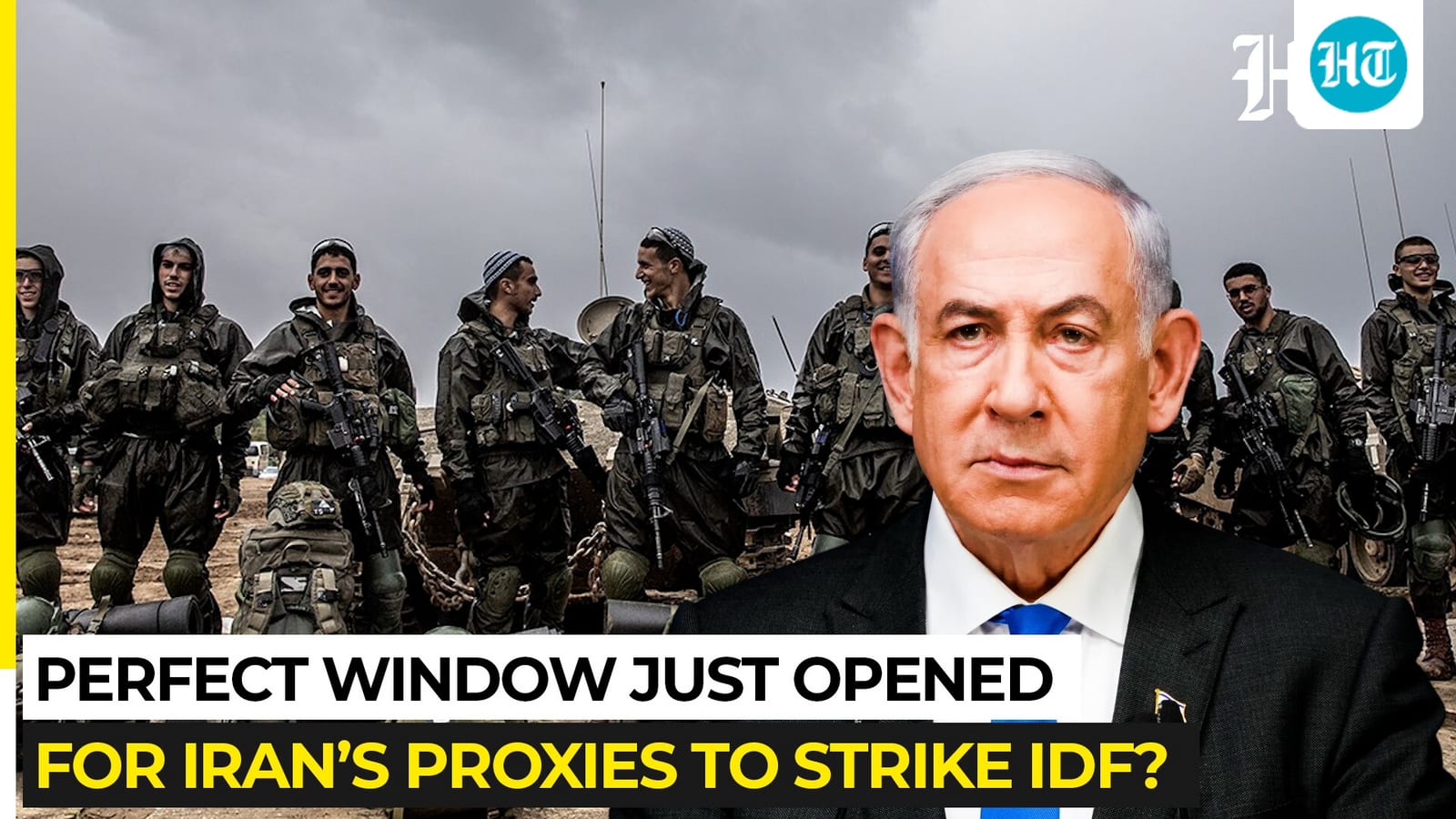
Israel has launched a significant housing initiative offering 20,000 discounted units to military reservists to support those serving in ongoing operations. Backed by top government officials, the program provides substantial financial relief and priority access to address the needs of the reserve force.
Strengthening the Backbone: Israel’s New Housing Initiative for Reservists
In a strategic move to reinforce the stability of its military infrastructure, the Israeli government has unveiled a comprehensive housing program specifically designed for reservists. This initiative, which includes 16,000 apartments and 4,000 residential land plots, serves as a direct response to the immense strain placed on the nation's reserve forces due to prolonged military operations. By offering financial incentives and priority housing, the government aims to recognize the critical role these citizens play in national security.
Financial Incentives and Structural Support
The scale of this program is significant, with eligible reservists standing to receive discounts exceeding $167,000. This level of state-sponsored support is intended to alleviate the economic burden often faced by those who are called away from their civilian careers for extended periods. By dedicating 75% of these apartments to priority allocation for reservists, the government is creating a tangible safety net that acknowledges the sacrifices inherent in the current multi-front security environment.
Political Backing and Strategic Implementation
The initiative has received high-level backing from Prime Minister Benjamin Netanyahu, alongside Minister of Construction and Housing Haim Katz and Minister of Finance Bezalel Smotrich. This collaborative endorsement highlights the government's recognition that military readiness is inextricably linked to the social and economic well-being of its soldiers. The planned rollout for 2026 and 2027 suggests a long-term commitment to maintaining a robust and prepared reserve force capable of responding to evolving regional threats.
Addressing Demand and Social Cohesion
The announcement arrives in the wake of overwhelming demand during Israel’s recent housing lotteries, a clear indicator of the public's desire for stability and support for those serving on the front lines. By aligning housing policy with military necessity, the government is not only addressing a practical need for shelter but also bolstering national morale. This move serves to validate the contributions of reservists, fostering a stronger sense of appreciation within the broader Israeli society.
Future Implications for National Security
As Israel continues to manage complex security challenges, the ability to rely effectively on reservists remains a cornerstone of its defense doctrine. This housing program serves as a critical tool for retention and recruitment, ensuring that those who bear the burden of service are supported in their civilian lives. Moving forward, the success of this program will likely be measured by its ability to mitigate the strain on reservists while maintaining the operational capacity required to address Israel's ongoing security concerns.
Verification Required?