Israel warned US of possible attack on Donald Trump using drones carrying explosives: Report
Source Entity
Latest News: Todays Latest News Headlines from India & World | Hindustan Times
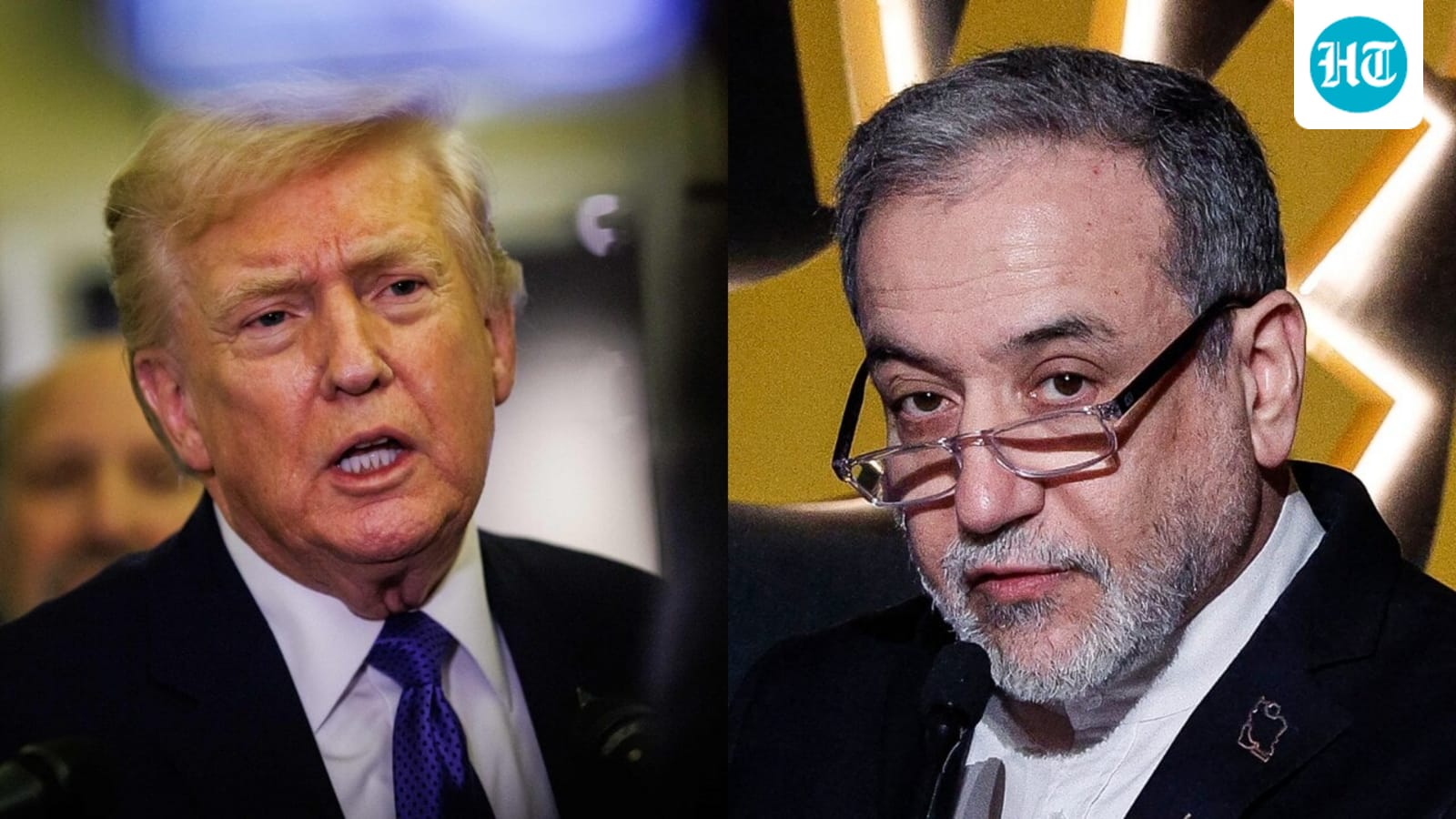
Israeli intelligence has warned the US of potential Iranian plots to target Donald Trump and senior officials using explosive-laden drones. This intelligence has reportedly influenced the administration's hardening stance and shift in negotiation strategy toward Tehran.
Intelligence Warning: Iran's Alleged Drone Threat Against US Leadership
Recent reports surfacing from Israel Hayom indicate that Israeli intelligence, specifically the Mossad, has alerted their American counterparts at the CIA regarding potential Iranian plans to target President Donald Trump and other senior administration officials. The primary concern centers on the utilization of explosive-laden drones, a technology that has become a hallmark of regional proxy warfare and asymmetric combat strategies in the Middle East. This intelligence sharing underscores the deep-seated security cooperation between Washington and Jerusalem, particularly concerning the shared assessment of threats posed by the Iranian regime.
The Strategic Shift in US-Iran Negotiations
The timing of this intelligence disclosure is significant, as it coincides with a marked decline in the viability of a diplomatic deal between the United States and Iran. According to officials familiar with the matter, the perceived threat to high-ranking personnel has directly impacted the Trump administration's approach to Tehran. The shift from potential diplomatic engagement to a more guarded or confrontational posture reflects how security threats—even those in the planning stage—can fundamentally alter the trajectory of international relations and geopolitical bargaining.
Implications of Asymmetric Drone Warfare
The mention of drones as the primary delivery mechanism for these alleged threats highlights a growing trend in global defense challenges. Drones have evolved from sophisticated military assets into accessible, lethal tools for both state and non-state actors. By utilizing small, explosive-laden UAVs, adversaries can potentially bypass traditional air defense systems that are designed to intercept larger, conventional aircraft. This development necessitates a reevaluation of security protocols for high-value targets, moving beyond traditional physical protection to include advanced electronic warfare and anti-drone defense layers.
Historical Context and Regional Tensions
This development follows a long history of heightened tensions between the United States and Iran, marked by cycles of escalation and intermittent diplomatic attempts. Throughout the years, the Middle East has seen various actors utilize drone technology to project power, leading to a regional arms race of sorts. The intelligence provided by the Mossad regarding this specific threat reflects a broader regional concern that Iran may seek to leverage its asymmetric capabilities to influence American foreign policy or retaliate for past sanctions and military actions.
Future Trends in Geopolitical Security
Looking ahead, the integration of intelligence sharing regarding specific attack vectors like drones will likely become a pillar of Western security strategy. As the threat landscape evolves, nations will need to prioritize the neutralization of these aerial hazards. The reported change in the administration's negotiation tactics serves as a clear indicator that security concerns are not merely secondary to diplomatic efforts but are often the primary drivers of policy. Moving forward, the efficacy of diplomatic talks will remain inextricably linked to the perceived safety and security of the key stakeholders involved.
Conclusion
In summary, the intelligence shared by Israeli officials regarding potential Iranian drone threats represents a critical juncture in US-Iran relations. By directly linking these threats to the degradation of diplomatic progress, the report highlights the precarious nature of international negotiations under the shadow of potential conflict. As both nations continue to navigate this volatile environment, the ability to mitigate such asymmetric threats will be essential to maintaining stability and preventing localized tensions from escalating into broader regional confrontations.
Verification Required?