After January launch vehicle debacle, GISAT-1A take-off in September to end ISRO’s seven-month operational hiatus
Source Entity
Anonna Dutt
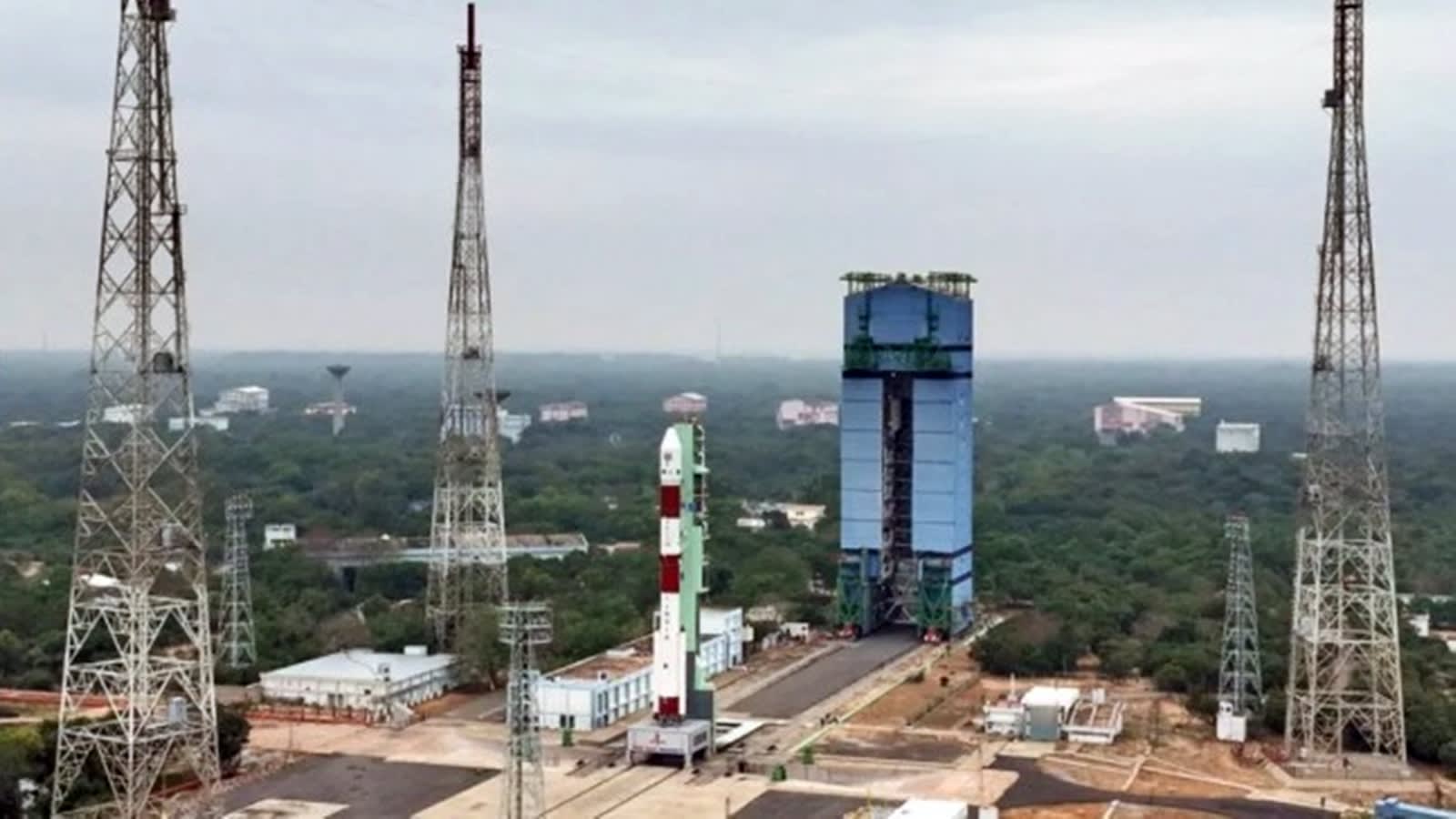
ISRO is set to resume its launch operations in September with the GISAT-1A mission following a seven-month hiatus. The move comes after a series of mission anomalies in 2025 and 2026 prompted a strategic pause in activity.
ISRO’s Strategic Return: Resuming Operations with GISAT-1A
After a challenging seven-month operational hiatus, the Indian Space Research Organisation (ISRO) is preparing to return to active space missions. The upcoming launch of the Geo Imaging Satellite (GISAT-1A), also designated as EOS-05, in the first week of September marks a critical turning point for the agency. This mission is vital for restoring momentum to India’s space program following the setback experienced in January with the failure of the PSLV-C62/EOS-N1 launch vehicle.
Analyzing the Operational Hiatus
The decision to pause launches was not taken lightly; it was a necessary corrective measure following a series of technical difficulties. ISRO reported that the January failure of the PSLV-C62/EOS-N1 was attributed to an "anomaly" in the launch vehicle. This incident was not an isolated event but rather part of a broader trend, as officials noted that three out of the six missions attempted during 2025 and 2026 suffered from issues that prevented satellites from reaching their intended orbits. These anomalies, ranging from launch vehicle malfunctions to spacecraft engine problems, necessitated a deep-dive investigation into existing hardware and protocols.
The Importance of GISAT-1A
GISAT-1A, or EOS-05, represents a significant asset in India’s earth observation capabilities. For months, this satellite, along with the NVS-03, has been stationed at the Sriharikota spaceport, awaiting the resolution of the technical grounding. By prioritizing the launch of GISAT-1A, ISRO is signaling a return to its core mandate: providing high-resolution, real-time imaging data to support national development, disaster management, and resource monitoring.
Addressing Technical Resilience
The period of inactivity has likely been utilized by ISRO engineers to conduct rigorous testing and peer reviews of the launch vehicle systems. In the aerospace industry, a seven-month pause is often indicative of comprehensive system overhauls rather than simple patch fixes. The goal is to ensure that the upcoming September launch does not merely clear the backlog of parked assets but does so with a proven, rectified architecture that restores public and institutional confidence in the PSLV platform.
Future Trends and Outlook
Looking ahead, the success of the September mission will serve as a bellwether for ISRO’s operational tempo for the remainder of the year. If the GISAT-1A mission succeeds, it will likely pave the way for the deployment of the NVS-03 and other pending satellites. The agency’s focus will remain on stabilizing the reliability of its launch vehicles, ensuring that the lessons learned from the 2025-2026 anomalies are integrated into future mission profiles to minimize the risk of orbit insertion failures.
Conclusion
In summary, the transition from a period of forced introspection to active service highlights the resilience of the Indian space program. By addressing the anomalies of the past with a methodical approach to safety and engineering, ISRO is positioning itself to reclaim its status as a reliable global launch provider. The September launch of GISAT-1A is not just a routine mission; it is a fundamental step in proving that the agency has effectively managed its technical risks and is ready to resume its critical role in space exploration.