Pilot plants in Odisha set to extract valuable rare earth elements from industrial wastes
Source Entity
India Latest News: Top National Headlines Today & Breaking News | The Hindu
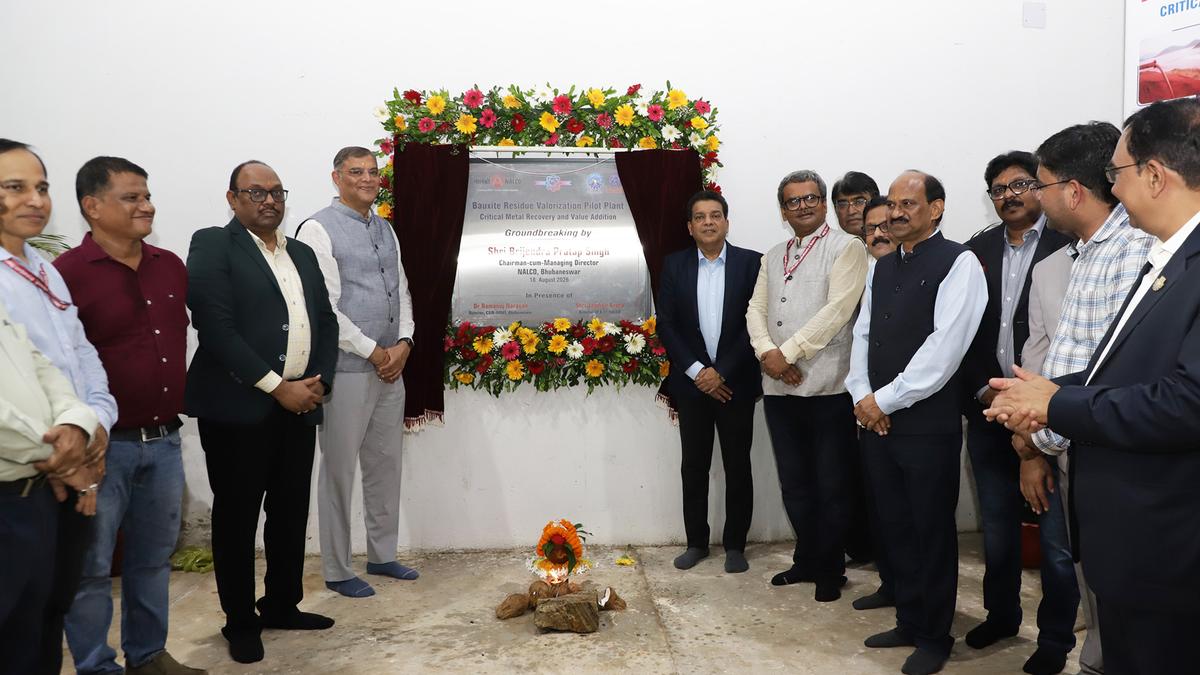
NALCO is spearheading pilot projects in Odisha to extract rare earth elements from industrial waste like fly ash and red mud. These R&D initiatives aim to turn hazardous bauxite and coal residues into valuable resources through patented processes.
Transforming Industrial Waste: The Rare Earth Revolution in Odisha
Odisha, a state synonymous with mineral-rich landscapes, is currently the site of a pioneering technological shift. NALCO, India’s premier public sector aluminum manufacturer, is spearheading research and development initiatives aimed at extracting rare earth elements (REEs) from industrial byproducts. By focusing on fly ash—a byproduct of coal-fired power plants—and red mud, the waste generated from bauxite processing, the state is moving toward a circular economy model that addresses long-standing environmental concerns.
The Science of Resource Recovery
At the core of this initiative is the ability to identify and isolate high-value materials from what was previously considered industrial refuse. The pilot plants established in Odisha utilize patented processes to refine these residues. Bituminous coal fly ash, often a burden on local ecosystems, is now being treated as a secondary source for rare earth elements. Similarly, the valorisation of red mud represents a significant technological leap, as this caustic bauxite residue has historically been one of the most challenging waste streams to manage in the aluminum industry.
Strategic Institutional Collaboration
NALCO’s role as a Navratna Central Public Sector Enterprise is pivotal here. By acting as the primary catalyst and supporter, the company is bridging the gap between theoretical R&D and industrial-scale application. The statement released by NALCO highlights that these initiatives are bolstered by strategic partnerships with leading national research institutions. This collaborative framework ensures that the extraction methodologies are not only scientifically sound but also scalable for domestic industrial needs.
Broader Economic and Environmental Implications
The implications of this project are vast. Rare earth elements are critical components in the global supply chain for electronics, renewable energy technologies, and defense applications. By localizing the extraction of these elements from industrial waste, India can potentially reduce its reliance on global imports while simultaneously mitigating the environmental hazards associated with fly ash and red mud disposal. This dual benefit of resource security and waste reduction positions Odisha as a model for sustainable industrial growth.
Future Trends in Sustainable Mining
Looking ahead, the success of these pilot projects could set a precedent for other resource-intensive industries in India. If the extraction processes prove to be commercially viable, it may lead to the establishment of full-scale refinery operations that turn waste repositories into lucrative mines. This shift reflects a global trend where companies are increasingly held accountable for their ecological footprint, forcing a transition from linear 'take-make-dispose' models to restorative, circular systems.
Conclusion
In summary, the initiatives led by NALCO in Odisha represent a sophisticated intersection of environmental stewardship and economic innovation. By unlocking the hidden potential within industrial waste, these pilot projects are not merely addressing a disposal problem; they are creating a new domestic stream of essential materials. As the research matures, the ability to extract high-value rare earths from coal and bauxite residues will likely prove to be a cornerstone of India’s future industrial strategy.
Verification Required?