ISRO to launch NVS-03 satellite on October 30
Source Entity
India Latest News: Top National Headlines Today & Breaking News | The Hindu
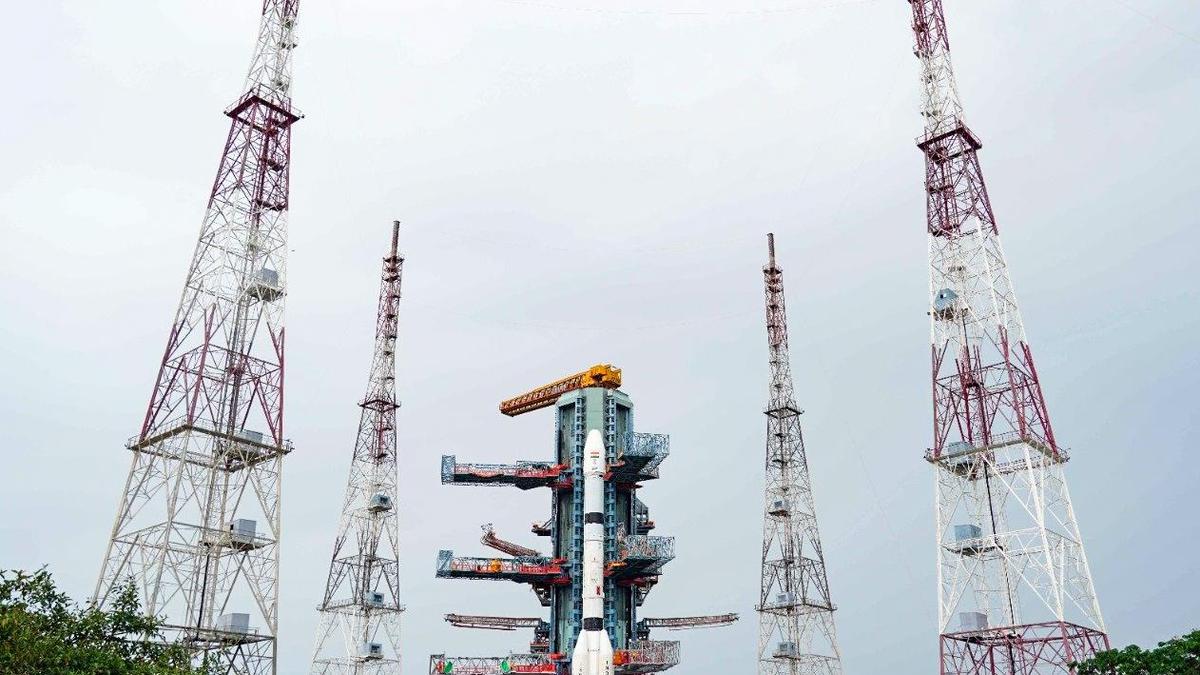
ISRO is set to launch the NVS-03 navigation satellite on October 30 via the GSLV-F18 vehicle. This mission aims to bolster the NavIC constellation by providing enhanced signal coverage and indigenous timing technology.
Strengthening India's Navigational Sovereignty
The Indian Space Research Organisation (ISRO) is set to achieve another milestone in its space exploration and technological development program with the upcoming launch of the NVS-03 satellite. Scheduled for October 30, the mission will utilize the Geosynchronous Satellite Launch Vehicle (GSLV-F18) to deploy the satellite from the Satish Dhawan Space Centre in Sriharikota. This launch represents a critical step in the ongoing evolution of India's indigenous navigation capabilities.
The Role of NVS-03 in the NavIC Ecosystem
NVS-03 serves as the third iteration of the next-generation satellite series designed to provide continuity for the Indian Regional Navigation Satellite System (IRNSS), widely known as NavIC. By replacing or augmenting older satellites, the NVS series ensures that the constellation remains robust and reliable. NavIC is designed to provide precise positioning and timing services, which are essential for both civilian and strategic applications across the Indian subcontinent and its surrounding regions.
Technological Advancements and Indigenous Innovation
A hallmark of the NVS-03 mission is the inclusion of an indigenous atomic clock. Atomic clocks are the heart of satellite navigation systems, as timing precision directly correlates to positional accuracy. By integrating both indigenous and procured clocks, ISRO is demonstrating a commitment to technological self-reliance. This reduction in dependency on foreign components is a strategic priority for India, ensuring that its critical infrastructure is not vulnerable to external supply chain disruptions.
Expanding Signal Coverage
Beyond the hardware improvements, NVS-03 introduces significant upgrades to signal capabilities. The satellite is designed to transmit the L1 signal in addition to the established L5 and S-band signals. The inclusion of the L1 frequency is particularly notable as it enhances interoperability with other global navigation satellite systems, making it easier for consumer-grade devices and smartphones to utilize NavIC data. This expanded coverage, reaching up to 1,500 km beyond the Indian landmass, significantly increases the utility of the system for maritime and aerial navigation.
Launch Logistics and Future Trends
The launch vehicle, GSLV-F18, has been meticulously prepared to place the 2,250 kg satellite into the Geosynchronous Transfer Orbit (GTO). The precise timing of the launch—set for 11:51 p.m.—highlights the operational efficiency of the Sriharikota spaceport. As ISRO continues to iterate on its navigation constellation, future trends will likely focus on further miniaturization of satellite technology and the integration of NavIC signals into global mass-market telecommunications hardware.
Conclusion
The NVS-03 mission is more than just a satellite launch; it is a testament to India's growing prowess in space technology. By focusing on indigenous timekeeping and broader signal coverage, ISRO is cementing NavIC's position as a reliable, high-precision alternative to foreign navigation systems. As the launch date approaches, the success of this mission will undoubtedly bolster India's strategic independence and its standing as a leader in global space exploration.
Multiple Citing Sources
Verification Required?