Andhra Pradesh’s literacy rate surpasses national average in last two years
Source Entity
India Latest News: Top National Headlines Today & Breaking News | The Hindu
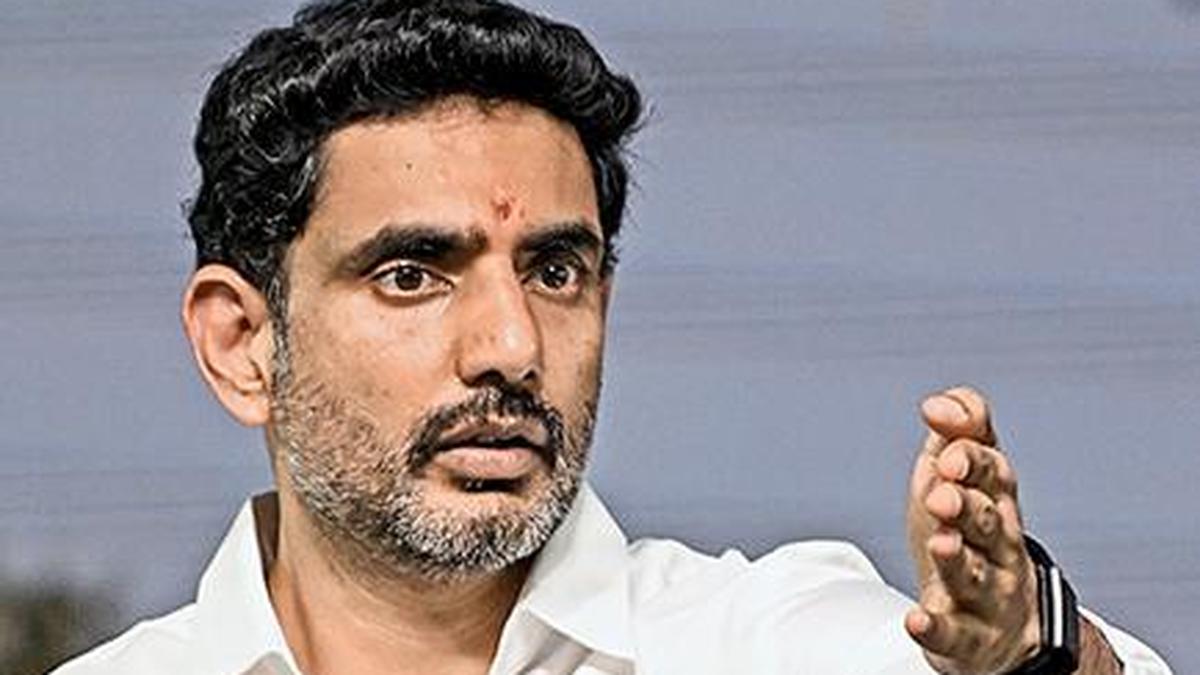
A political clash has erupted in Andhra Pradesh over conflicting literacy statistics, with Y.S. Jagan Mohan Reddy challenging Minister Nara Lokesh's claim of an 82.1% literacy rate. Reddy cites official central survey data of 71.4%, accusing the government of inflating figures for political gain.
The Literacy Data War: An Analysis of Andhra Pradesh's Political Discourse
The Contested Metrics
Recent political discourse in Andhra Pradesh has been dominated by a sharp confrontation over the state’s literacy achievements. IT and HRD Minister Nara Lokesh recently announced a surge in the state's literacy rate, claiming an increase from 72.60% in 2024 to 82.10% in 2026. This claim, which positions Andhra Pradesh above the national average of 80.9%, has been linked by the government to the success of the 'Akshara Andhra' programme, which purportedly helped 25 lakh people achieve literacy.
The Opposition’s Rebuttal
Former Chief Minister and YSRCP president Y.S. Jagan Mohan Reddy has vehemently contested these figures. Reddy labeled the 82.1% claim as factually impossible, pointing out the logical inconsistency of citing 2026 statistics before the calendar year has concluded. Furthermore, he contrasted the government’s internal reports with central survey data, which suggests a significantly lower literacy rate of 71.4%, effectively accusing the current administration of fabricating data to project a false narrative of success.
Historical Context and Governance Claims
This dispute is deeply rooted in the ongoing battle over the legacy of the state’s education sector. Minister Lokesh has consistently criticized the previous YSRCP administration, citing the Annual Status of Education Report (ASER) 2024 to argue that the previous government prioritized publicity over tangible educational improvements. He maintains that the current administration inherited a system in decline, characterized by significant learning gaps, such as the finding that only 56% of Class 8 students could read a Class 2-level text.
Implications of Data Politicization
The reliance on conflicting statistics highlights a growing trend of 'data-driven' political warfare in Indian regional politics. By leveraging programs like 'Akshara Andhra' as a centerpiece of their policy agenda, the current government is attempting to validate its governance model. However, when such claims are met with counter-narratives from central datasets, it creates public confusion and erodes trust in official educational reporting mechanisms.
Future Trajectory and Educational Goals
The government has set ambitious targets, aiming for 100% literacy by September 2027, with plans to educate an additional 25 lakh people by March 2027. Whether these goals are achieved will remain a focal point of political scrutiny. As the state moves forward, the credibility of these milestones will likely be measured against independent central surveys rather than state-sponsored reports, as the discrepancy between the two remains a significant point of contention.
Conclusion
The clash between Jagan Mohan Reddy and Nara Lokesh underscores the high stakes of educational policy in Andhra Pradesh. As both sides trade accusations of misinformation, the true state of literacy in the region remains obscured by political rhetoric. Moving forward, the effectiveness of the 'Akshara Andhra' initiative will be judged not by social media proclamations, but by verifiable, long-term improvements in student learning outcomes and objective, non-partisan data.
Verification Required?