‘Will strike again if…’: Hindutva influencer says acted in ‘self-defence’ amid row over assault on CJP activist's father
Source Entity
Latest News: Todays Latest News Headlines from India & World | Hindustan Times | Hindustan Times
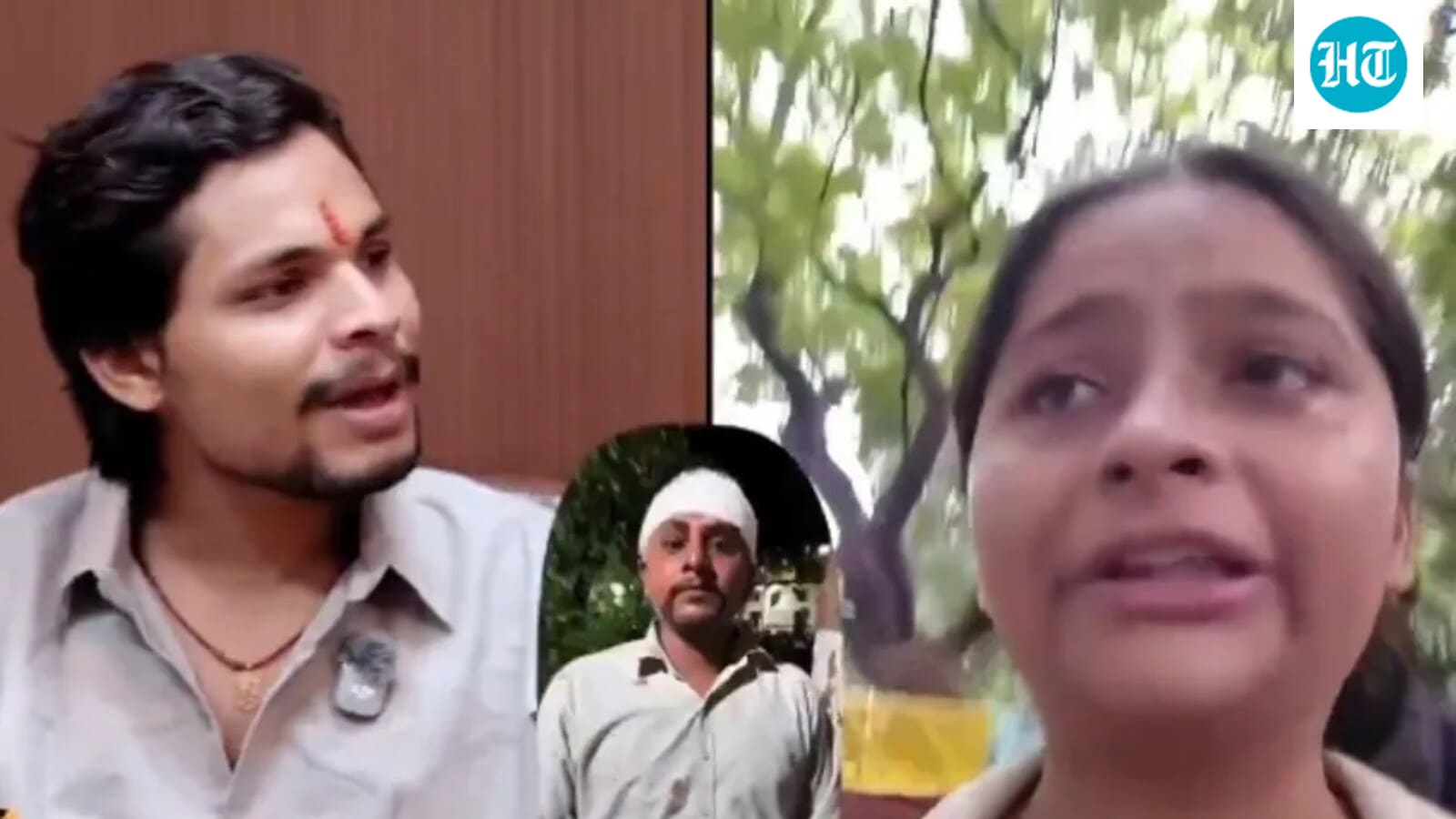
The Delhi Police has denied allegations of political interference regarding an assault case at a Jantar Mantar protest. Tensions persist as the Cockroach Janata Party (CJP) demands the arrest of an influencer who allegedly admitted to the assault in a viral video.
Tensions Erupt at Jantar Mantar: The Assault Controversy
Recent events at Jantar Mantar have sparked a significant public and political debate following a violent scuffle during a protest organized by the Cockroach Janata Party (CJP). On June 23, the demonstration turned chaotic when Sanjay Kumar, a 38-year-old resident of Ghaziabad, sustained a head injury. The incident has since spiraled into a broader controversy involving allegations of political influence, police inaction, and the role of social media influencers in public discourse.
The Core Allegations and Police Response
The controversy centers on claims made by an influencer, identified as Swatantra Bhardwaj, who allegedly boasted on social media about his involvement in the incident, leading to widespread public outcry. The CJP, represented by figures such as Saurav Das and Ashutosh Ranka, has accused the police of failing to act despite Bhardwaj’s public admissions. In response, the Delhi Police issued a formal statement via X, categorically denying any political interference and asserting that the two accused individuals were handled strictly according to legal protocols. Furthermore, the police characterized the injuries sustained by the victim as minor, contradicting the narrative of a severe assault being pushed by the protesters.
Political Mobilization and Solidarity
The incident has transcended a simple criminal complaint, becoming a rallying point for opposition parties. Chandra Shekhar Aazad, president of the Aazad Samaj Party (Kanshi Ram), joined CJP leaders at the Parliament Street Police Station to demand accountability. This show of solidarity highlights the growing friction between political factions regarding the perceived fairness of law enforcement investigations. The protest march to the police station underscores a deep-seated distrust among certain groups regarding the integrity of the judicial process when high-profile or politically connected individuals are involved.
The Role of Social Media in Modern Protest
This case serves as a stark example of how digital media shapes modern political activism. The influencer’s boastful online presence acted as a catalyst for the CJP’s subsequent protests, forcing the police to address the matter publicly. The juxtaposition between the influencer's self-incriminating video and the police’s official stance regarding the severity of the injury has created a narrative void that is being filled by political speculation. This digital dimension complicates traditional law enforcement, as public sentiment is often driven by viral content rather than the slow, deliberate pace of forensic investigation.
Broader Implications and Future Trends
Looking forward, this incident reflects the increasing volatility of public demonstrations in the national capital. As political actors continue to leverage social media to frame narratives, the pressure on law enforcement to provide transparent, real-time updates will only intensify. If the divide between the police's account and the protesters' claims remains, it may lead to further unrest and a potential erosion of public confidence in local institutions. The focus for authorities will likely shift toward managing the intersection of free speech, digital accountability, and the maintenance of public order in highly sensitive areas like Jantar Mantar.
Conclusive Summary
In summary, the Jantar Mantar assault case remains a highly contentious issue that highlights the friction between victim advocacy and official police reporting. While the Delhi Police maintains that the investigation is proceeding without bias, the persistent demands for justice from the CJP and their allies suggest that this matter is far from settled. The outcome of the ongoing investigation will be critical in determining whether the public perceives the legal system as an impartial arbiter or a tool subject to external pressures.
Multiple Citing Sources
Verification Required?