Jain seer gives Karnataka govt. 10-day deadline to meet demands; threatens sallekhana in December if demands remain unmet
Source Entity
India Latest News: Top National Headlines Today & Breaking News | The Hindu
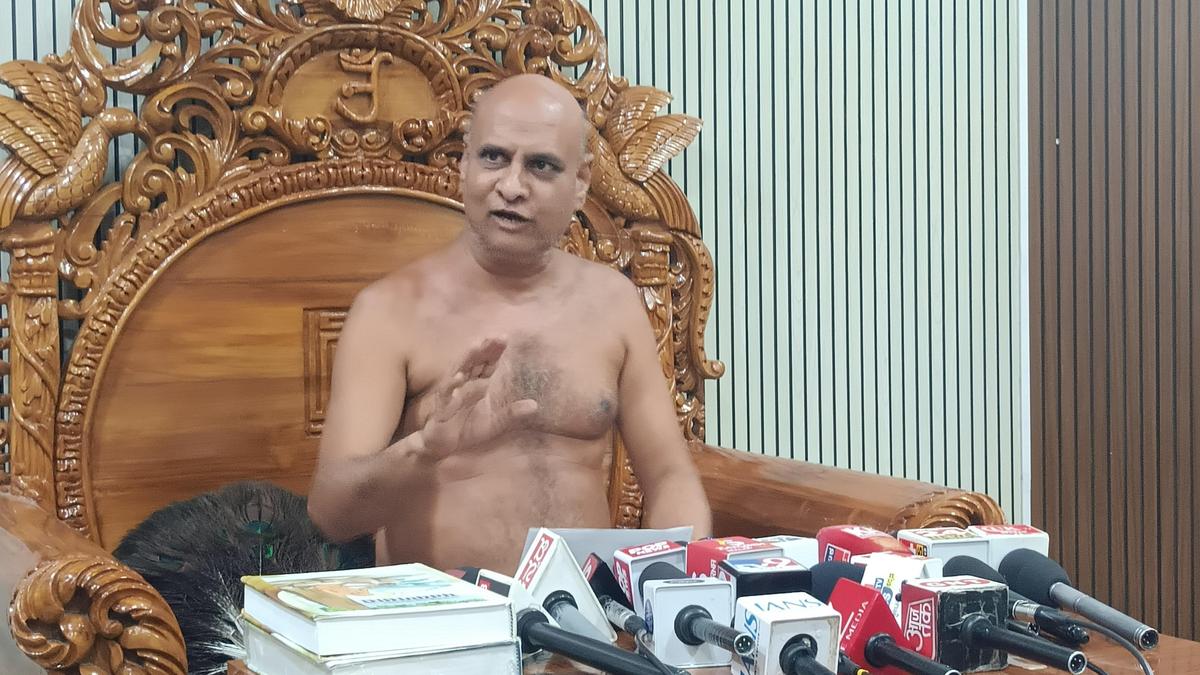
Acharya Gunadharanandi Maharaj has issued a 10-day ultimatum to the Karnataka government to address five key Jain community demands. Failure to meet these, including the creation of a Jain Development Corporation, could lead to the monk undertaking the ritual of sallekhana in December.
Tensions Rise: Jain Seer Issues Ultimatum to Karnataka Government
The Core Dispute
Acharya Gunadharanandi Maharaj, a prominent figure from the Varur Navagraha Teertha Kshetra, has officially escalated his campaign for community rights by issuing a 10-day deadline to the Karnataka state government. The monk is demanding formal, written assurances regarding five specific grievances that have been pending for three years. Central to these demands is the establishment of a Jain Development Corporation, a move intended to provide institutional support and economic upliftment for the community members within the state.
Historical Context of the Agitation
This ultimatum follows a pattern of frustration expressed by the Jain community, who claim that their repeated representations to the state administration have been met with inaction. For the past three years, community leaders have engaged in dialogue, yet the lack of decisive policy implementation has led the Acharya to declare that he can no longer remain a silent spectator. This shift from advocacy to direct action underscores a broader trend in Indian regional politics, where religious and community leaders increasingly utilize public ultimatums to force bureaucratic accountability.
The Gravity of Sallekhana
The most concerning element of this standoff is the threat of sallekhana. In the Jain tradition, sallekhana is a sacred and rigorous religious vow involving the voluntary and gradual fasting unto death. By invoking this, Acharya Gunadharanandi Maharaj is signaling the absolute gravity of the situation. This form of protest elevates the dispute from a routine administrative request to a life-or-death moral challenge, putting significant political pressure on the state government to resolve the issue before the December deadline.
Broader Implications and Political Pressure
The demands placed by the Acharya represent a growing movement among minority and specific religious groups in Karnataka to secure dedicated state-sponsored development boards. The creation of such a corporation would not only manage community-specific welfare schemes but also grant the Jain community a formal seat at the table in state policy discussions. For the Karnataka government, the challenge lies in balancing these specific community demands against existing fiscal constraints and the precedent such a corporation might set for other religious groups.
Future Trends and Potential Outcomes
As the 10-day window closes, the state government faces a critical juncture. If the government provides the requested written assurances, it may successfully avert the crisis. However, if the demands remain unmet, the potential for a phased agitation creates a high-stakes environment. Future trends suggest that if such protests gain momentum, they could influence local electoral dynamics, forcing political parties to adopt more responsive stances toward the specific development agendas of religious communities in the state.
Conclusion
The situation surrounding Varur Navagraha Teertha Kshetra remains volatile. The convergence of community welfare demands and the spiritual weight of the threat of sallekhana makes this one of the most sensitive administrative hurdles currently facing the Karnataka government. Observers will be closely monitoring the next ten days for any sign of a formal government response.
Verification Required?