Bride’s father cancels wedding due to Covid, hotel ordered to refund Rs 2 lakh
Source Entity
Jagriti Rai
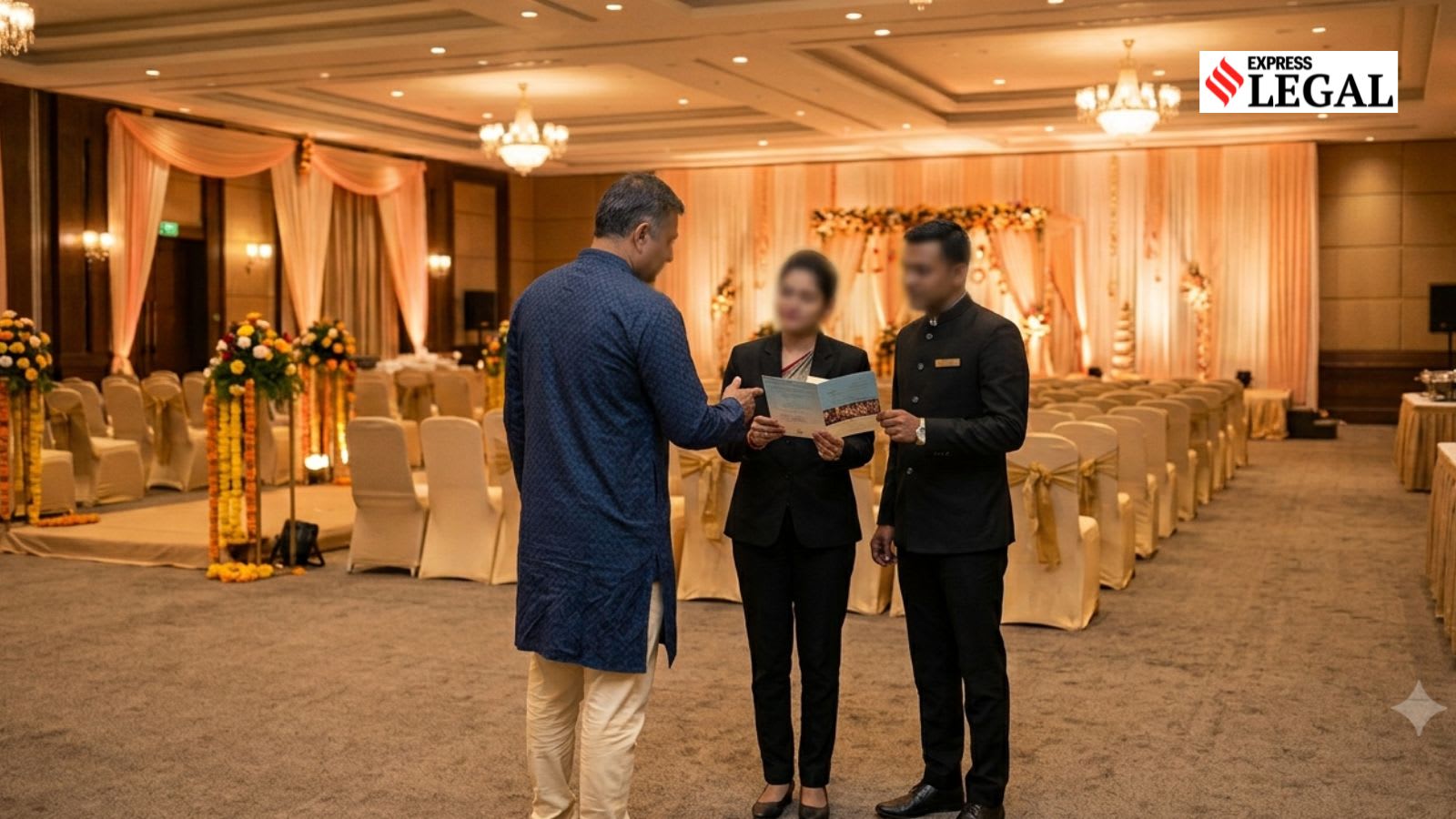
The Jaipur District Consumer Commission has ordered a hotel to refund a Rs 2 lakh advance to a bride’s father after he cancelled a wedding due to Covid-19 restrictions. The court ruled that retaining the funds constituted a deficiency in service.
Consumer Justice Amidst a Global Pandemic
The recent ruling by the Jaipur District Consumer Commission serves as a significant legal precedent for consumer rights in the wake of the COVID-19 pandemic. By ordering a hotel to refund a Rs 2 lakh booking advance to a bride’s father, the commission has clarified the limits of contractual obligations when faced with force majeure events of such unprecedented scale. The wedding, which was cancelled due to statutory government-mandated lockdown restrictions, highlights the tension between private business policies and public health imperatives.
Defining Deficiency in Service
A bench comprising president Devendra Mohan Mathur and member Pawan Kumar Bhardwaj explicitly held that the hotel’s refusal to return the advance payment constituted a 'deficiency in service.' The commission emphasized that the cancellation was not a result of a personal choice or a whim, but rather an unavoidable reaction to the global health crisis and the resulting legal limitations on mass gatherings. This distinction is crucial, as it protects consumers from being penalized for circumstances entirely beyond their control.
The Legal Threshold of Force Majeure
Historically, contracts often include clauses that allow for the retention of deposits to cover potential losses from cancellations. However, this case demonstrates that courts are increasingly viewing the pandemic as a unique legal category. The commission's decision suggests that when the government imposes statutory restrictions that make the fulfillment of a contract impossible, businesses cannot ethically or legally claim the right to retain funds for services that could not be legally provided.
Financial Redress and Accountability
Beyond the refund of the principal amount, the commission also awarded Rs 11,000 to the complainant to cover compensation and litigation costs. This additional penalty serves as a deterrent against businesses that might otherwise attempt to profit from the misfortune of clients during periods of national emergency. It reinforces the principle that the burden of such crises should not fall disproportionately on the individual consumer when the service provider is unable to perform their duties.
Broader Implications for the Hospitality Sector
The hospitality industry, which was hit particularly hard by the pandemic, often struggled with liquidity during the lockdown periods. While businesses faced their own financial burdens, this ruling clarifies that they cannot unilaterally solve their financial distress by retaining funds from cancelled events that were prevented by law. Moving forward, this case will likely influence how hotels and event venues draft their cancellation policies, ensuring that they account for future public health emergencies with more equitable terms.
A Precedent for Consumer Protection
Ultimately, this verdict is a victory for consumer advocacy in India. It signals a shift toward a more compassionate interpretation of consumer law, where the intent of the parties and the external environment are weighed alongside the literal terms of a contract. As the dust settles from the pandemic years, such legal precedents will remain vital in ensuring that fairness remains a pillar of commercial transactions, protecting families from unnecessary financial loss during already stressful life events.