India in continuous touch with Ukraine and Russia to help end the conflict: Jaishankar
Source Entity
India Latest News: Top National Headlines Today & Breaking News | The Hindu
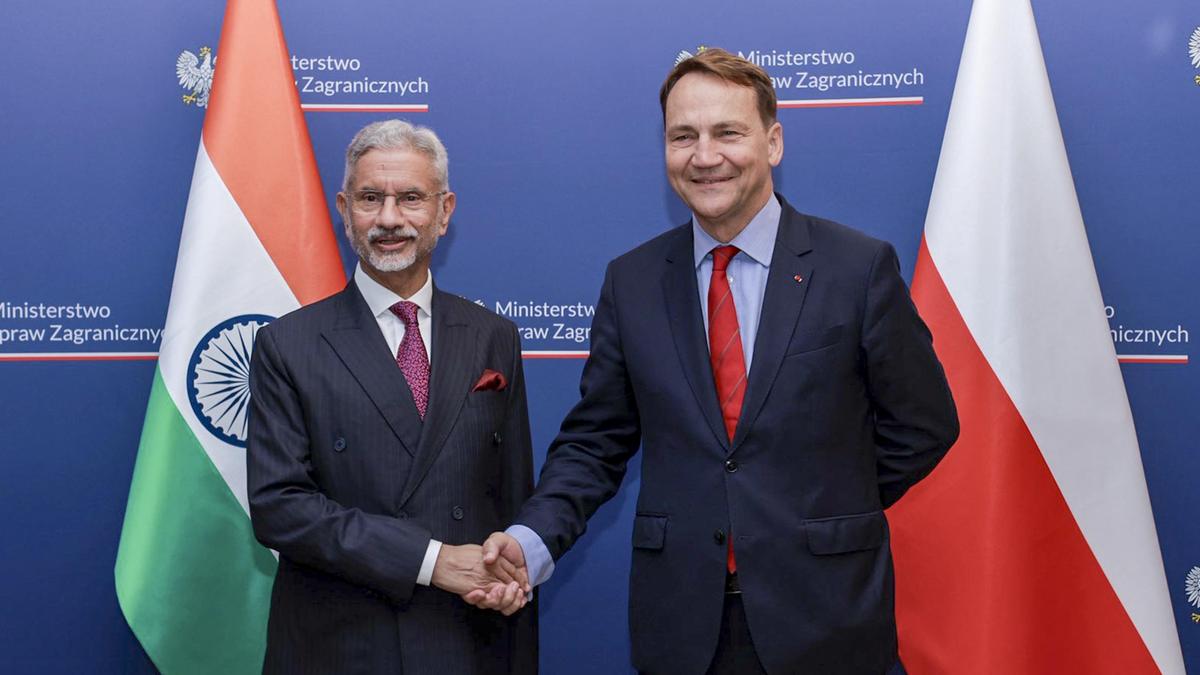
External Affairs Minister S. Jaishankar visited Kyiv to emphasize India's commitment to peace in the Ukraine conflict. He reiterated that dialogue and diplomacy, rather than trade sanctions, are the essential pathways to ending the war.
India’s Diplomatic Pivot: Navigating the Russia-Ukraine Conflict
External Affairs Minister S. Jaishankar’s recent visit to Kyiv on September 3, 2026, marks a significant moment in India’s ongoing effort to position itself as a constructive bridge in the Russia-Ukraine conflict. By holding direct discussions with Ukrainian leadership, including Foreign Minister Andrii Sybiha, India is signaling a proactive intent to facilitate peace. This visit follows closely on the heels of Prime Minister Narendra Modi’s direct appeal to Russian President Vladimir Putin to transition from an 'endless war to the end of war,' suggesting a coordinated, high-level Indian diplomatic strategy aimed at fostering de-escalation.
The Strategic Offer of Mediation
Beyond mere observation, Jaishankar has explicitly stated India’s readiness to support peace efforts, including the possibility of mediation. This offer is not merely symbolic; it is rooted in India's growing concern over the stability of global supply chains and human security. Specifically, the escalation of the war in the Black Sea, which has resulted in the tragic deaths and injuries of Indian seafarers, has lent a new sense of urgency to India’s diplomatic outreach. Protecting maritime commerce and the safety of its citizens remains a primary driver for India’s push for a cessation of hostilities.
Prioritizing Dialogue Over Economic Coercion
In his subsequent meetings in Warsaw with Polish Foreign Minister Radosław Sikorski, Jaishankar clarified India’s stance on the global economic response to the conflict. He firmly rejected the notion that the solution to the war lies in stopping the purchase of essential commodities like oil, fertilizers, and minerals. Instead, he argued that such trade restrictions are not the correct diagnosis for a geopolitical conflict. By distinguishing between trade and territorial security, India maintains its strategic autonomy while emphasizing that the path to peace is found exclusively at the negotiating table.
Addressing Global Energy and Trade Concerns
India’s position reflects a pragmatic realization that global energy markets are deeply interconnected. By defending India's energy purchases from Russia, Jaishankar is highlighting that the international community should focus on the root cause—the ongoing military conflict—rather than targeting the economic lifelines that sustain global stability. This nuanced approach allows India to maintain its energy security while simultaneously lobbying for a diplomatic resolution that would eventually render such economic debates moot.
Future Implications for Global Diplomacy
Looking ahead, India’s dual-track approach—maintaining economic ties with Russia while actively engaging with Ukraine—positions it as one of the few global powers capable of speaking to both sides. As the conflict drags on, the international community will likely watch closely to see if India’s 'end of war' rhetoric can translate into concrete peace frameworks. If successful, this could redefine India's role from a traditional non-aligned actor to an active, essential mediator in modern geopolitical disputes.
Conclusion: A Consistent Call for Peace
In summary, Minister Jaishankar’s recent diplomatic tour underscores a consistent message: the Russia-Ukraine war cannot be resolved through isolationism or trade bans but through sustained, high-level dialogue. Whether through direct mediation or by keeping lines of communication open with both Kyiv and Moscow, India is positioning itself as a vital player in the search for a lasting peace, driven by both national interest and a commitment to international stability.
Verification Required?