India in continuous touch with Ukraine, Russia to help end conflict: Jaishankar
Source Entity
The Indian Express
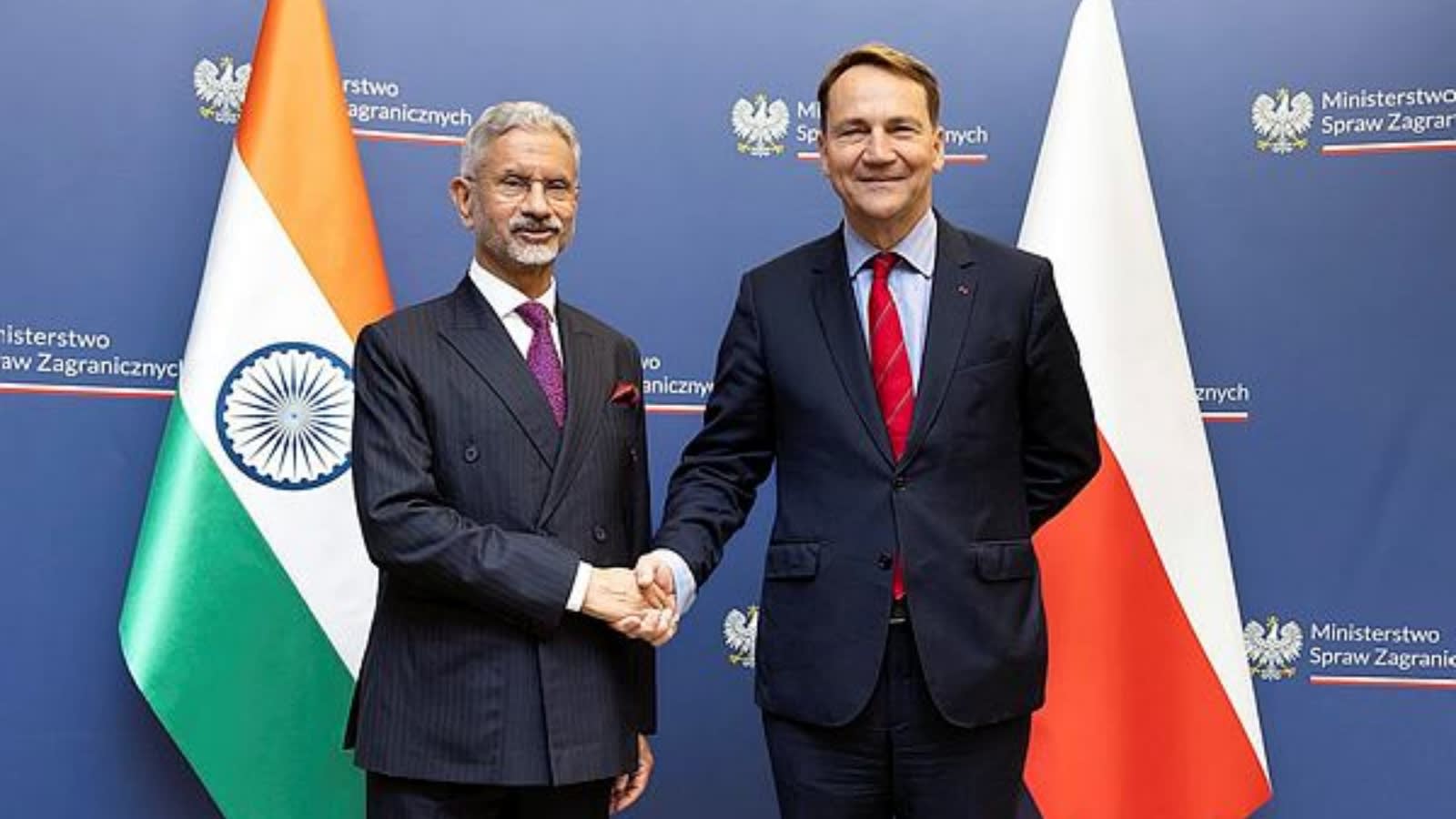
External Affairs Minister S. Jaishankar visited Kyiv to advocate for diplomatic solutions to the Russia-Ukraine war. He reiterated India's readiness to mediate, emphasizing that dialogue—not trade restrictions—is the path to peace.
India’s Diplomatic Push for Peace in Ukraine
External Affairs Minister S. Jaishankar’s recent visit to Kyiv on September 3 marks a significant intensification of India’s diplomatic outreach regarding the ongoing Russia-Ukraine conflict. By engaging directly with Ukrainian leadership, including Foreign Minister Andrii Sybiha, India is positioning itself as a proactive advocate for dialogue and a potential bridge between the warring parties. This visit follows a series of high-level communications, most notably Prime Minister Narendra Modi’s direct appeal to Russian President Vladimir Putin to transition from an “endless war to the end of war,” signaling a coordinated push from New Delhi to foster a conducive environment for negotiations.
Strategic Mediation and Regional Stability
During his meetings in Kyiv, Minister Jaishankar explicitly stated that India is prepared to support efforts aimed at ending the conflict, including the possibility of mediation if required. This offer comes at a critical juncture as the war has increasingly impacted international interests, particularly in the Black Sea. The escalation of attacks on commercial shipping, which has led to casualties among Indian seafarers, has added a layer of urgency to India’s diplomatic efforts. By addressing these maritime security concerns, India is not merely acting as a neutral observer but as a stakeholder protecting its citizens and the stability of global supply chains.
The Economic Argument: Trade vs. Diplomacy
Beyond the immediate conflict, the visit also focused on strengthening bilateral ties between India and Ukraine, specifically in trade and investment. Minister Jaishankar has been vocal in defending India's economic policies, particularly regarding the purchase of Russian commodities like oil, fertilizers, and minerals. In a subsequent meeting in Warsaw with Polish Foreign Minister Radosław Sikorski, Jaishankar clarified that trade restrictions are not the panacea for ending the war. Instead, he argued that the diagnosis of the problem must focus on the conflict itself, emphasizing that the solution lies in negotiations rather than punitive trade measures.
Navigating Geopolitical Complexities
India’s stance reflects a nuanced approach to global geopolitics, balancing its strategic autonomy with a commitment to international law and humanitarian concerns. By maintaining open lines of communication with both Russia and Ukraine, India seeks to avoid the polarization that has characterized much of the international response to the war. This "middle path" strategy is rooted in the belief that lasting peace cannot be imposed from the outside but must be achieved through direct, sustained dialogue between the participants.
Future Implications and Conclusion
Looking ahead, India’s role as a potential mediator will likely be tested by the hardening positions of both Moscow and Kyiv. However, the consistent messaging from the Indian leadership—calling for diplomacy and rejecting the efficacy of trade bans as a primary solution—provides a consistent framework for future engagements. As the conflict continues to evolve, India’s ability to influence the narrative of 'dialogue over destruction' will remain a key element of its foreign policy, aimed at mitigating the global economic and humanitarian fallout of the war.
Multiple Citing Sources