Jaishankar at UNGA: Pakistan serial practitioner of terror, must face outcome
Source Entity
TNN
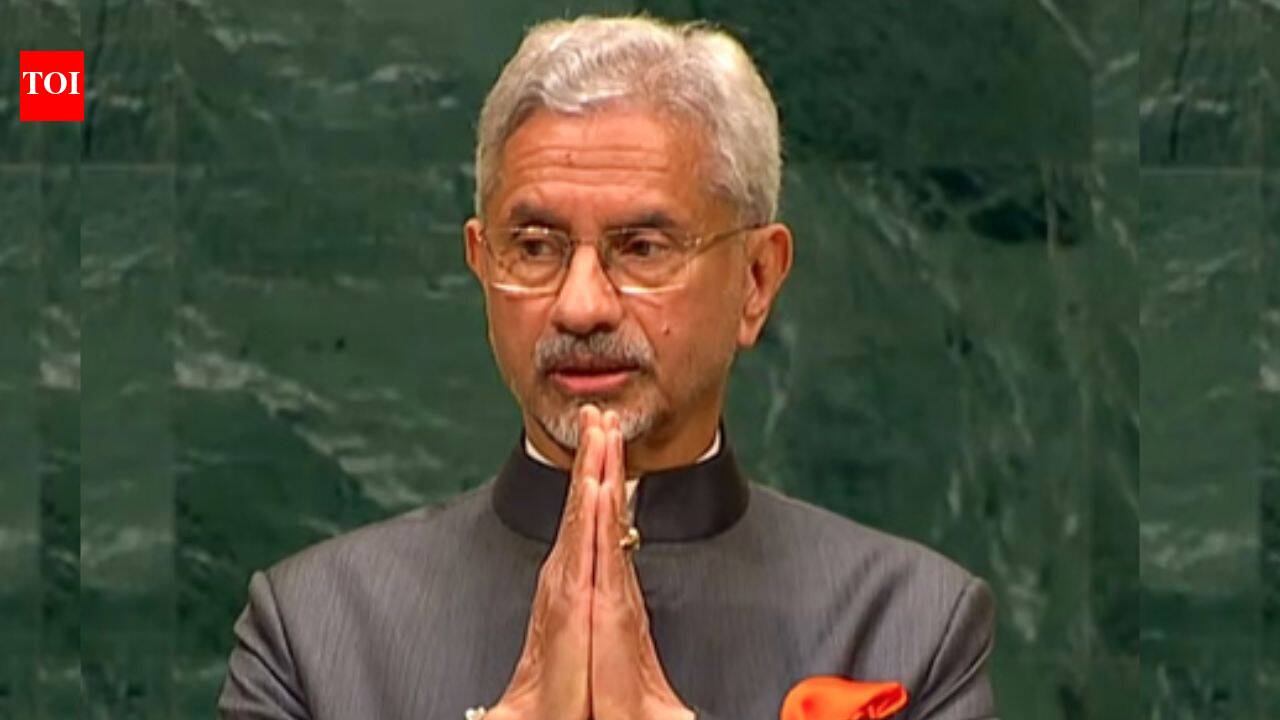
External Affairs Minister S. Jaishankar sharply rebuked a Pakistani journalist at the UN, dismissing accusations of Indian-sponsored terrorism. The exchange occurred during a briefing focused on maritime security and the protection of seafarers.
Diplomatic Tensions at the UN: Jaishankar’s Sharp Rebuttal
During a recent press briefing at the United Nations headquarters in New York, Indian External Affairs Minister S. Jaishankar delivered a blunt response to a Pakistani journalist who questioned India’s alleged role in sponsoring terrorism. The exchange, which occurred shortly after Jaishankar and Liberian Foreign Minister Sara Beysolow Nyanti addressed the media, underscored the deep-seated diplomatic friction that continues to define the India-Pakistan bilateral relationship on the global stage.
The Context of the Exchange
The interaction took place following the launch of a new 'Group of Friends' initiative aimed at enhancing the safety and security of global shipping and seafarers. While the primary focus of the ministerial briefing was on maritime security and the protection of vital waterways—such as the Strait of Hormuz and the Gulf of Oman—the proceedings were interrupted by the journalist’s query regarding terrorism. Jaishankar’s retort, "A terrorist country is asking me that question. Come on," served as an immediate dismissal of the premise of the reporter's question.
Analyzing the Diplomatic Stance
Jaishankar’s response is reflective of India's long-standing policy of calling out Pakistan for its alleged support of non-state actors. By utilizing the international platform of the UN, the Minister effectively signaled that India is unwilling to entertain narratives it views as hypocritical or deflective. This confrontation highlights the broader pattern of India’s 'assertive diplomacy,' where officials are increasingly willing to challenge accusations directly rather than utilizing traditional, softer diplomatic language.
Maritime Security and Global Implications
The primary agenda of the briefing, which was somewhat overshadowed by the controversy, highlights a critical reality in current international relations: the escalating threat to commercial shipping. Minister Jaishankar’s warning that attacks on commercial vessels are 'no longer exceptional' signals a shift in India’s strategic outlook. As a major maritime nation, India is positioning itself as a primary stakeholder in ensuring the stability of global trade routes, linking maritime security to broader national security interests.
The Intersection of Regional Rivalries and Global Safety
This event demonstrates how deep-seated regional conflicts inevitably permeate global forums. While the United Nations is intended to serve as a venue for collective security discussions, the persistence of India-Pakistan tensions often shifts the focus toward bilateral grievances. The mention of additional inquiries regarding a Sikh leader in New York alongside the terrorism accusations indicates a multi-pronged effort by the journalist to challenge Indian policy, to which Jaishankar’s dismissive approach remained consistent.
Future Trends in Indo-Pak Diplomatic Relations
Looking ahead, it is unlikely that these public diplomatic clashes will subside. The exchange illustrates that India remains committed to a policy of isolating Pakistan on the issue of terrorism, utilizing high-profile international settings to reiterate its stance. As India continues to expand its global influence and leadership in maritime safety initiatives, it will likely maintain this sharp, confrontational rhetoric whenever the topic of state-sponsored terrorism is raised by regional rivals, ensuring that the status quo of diplomatic stalemate persists.
Multiple Citing Sources