Russia’s UNGA pitch: Let us fix the Gulf while we finish what we started in Ukraine
Source Entity
Latest News: Todays Latest News Headlines from India & World | Hindustan Times | Hindustan Times
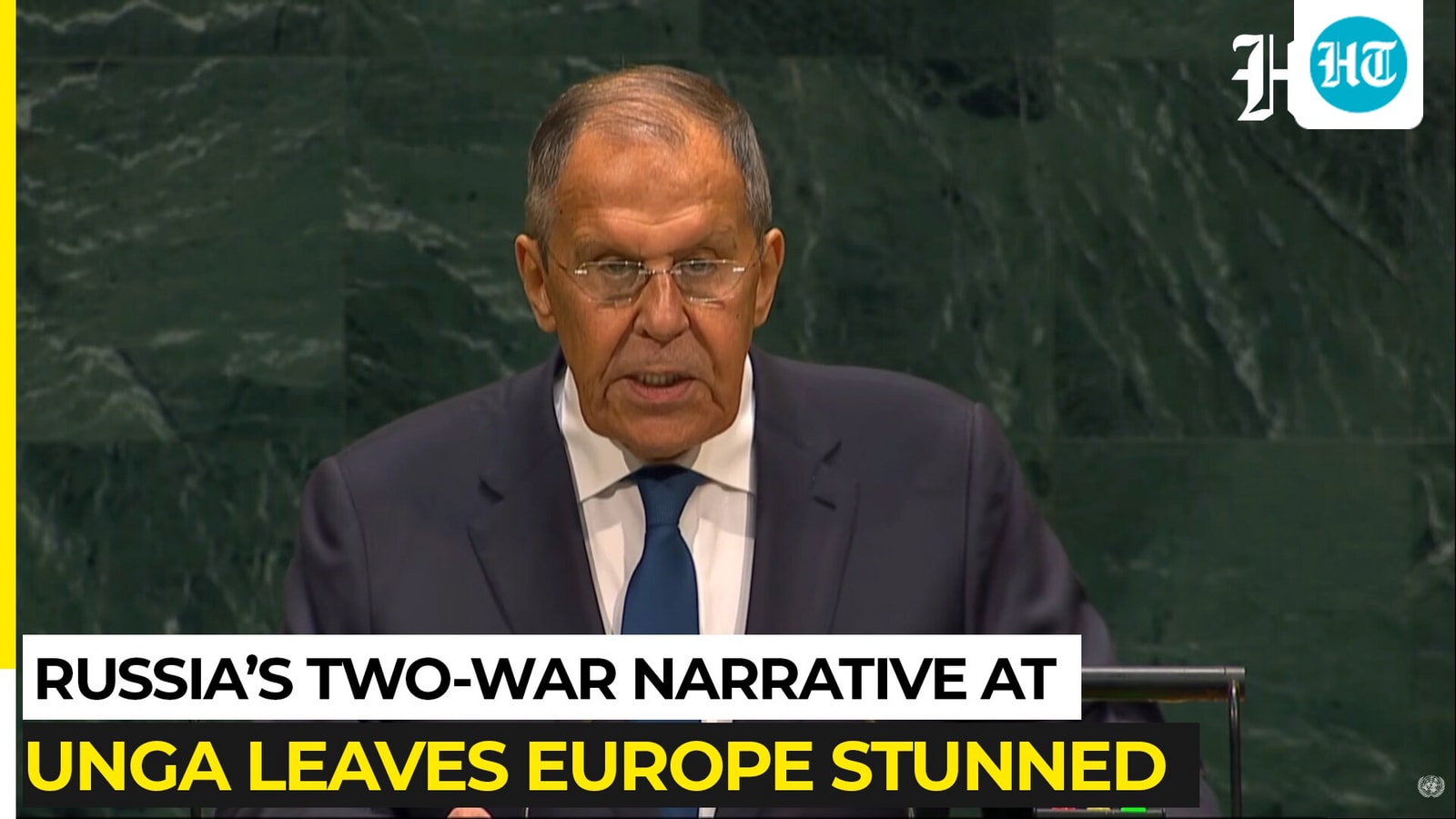
External Affairs Minister S. Jaishankar held high-level meetings with Russian and Iranian counterparts on the margins of the 81st UNGA session. The discussions centered on bilateral ties, BRICS cooperation, and managing regional conflicts amid evolving geopolitical sanctions. Jaishankar also emphasized that regional groupings like BRICS are intended to support, not replace, the United Nations.
Diplomatic Engagements at the 81st UNGA
External Affairs Minister S. Jaishankar is currently in New York leading the Indian delegation at the 81st Session of the United Nations General Assembly (UNGA). His presence has been marked by a series of high-level bilateral meetings, most notably with Russian Foreign Minister Sergey Lavrov and Iranian Foreign Minister Seyed Abbas Araghchi. These discussions, occurring during the UNGA's High-Level Week, underscore India's commitment to maintaining a nuanced and multi-aligned foreign policy in a complex global environment.
Navigating Sanctions and Regional Conflicts
The meetings with Russian and Iranian leadership occur against the backdrop of significant international tension. Specifically, these dialogues follow the recent signing of a new US law imposing sanctions on countries engaged in purchasing oil and gas from Moscow and Tehran. India’s continued engagement with these nations highlights its strategic autonomy, as New Delhi balances its historical and energy-related interests with the pressure exerted by Western-led sanction regimes. The discussions also touched upon the escalating Gulf conflict and the broader safety concerns for seafarers facing risks in commercial shipping lanes.
The Role of BRICS and Global Cooperation
A central theme of the minister's engagements has been the role of BRICS. During his meetings with Sergey Lavrov, cooperation within the BRICS framework was a key agenda item. This highlights India's objective to leverage such groupings to advocate for a multipolar world order while maintaining a balance between emerging economic blocs and traditional international institutions.
Addressing the Future of the United Nations
During a session titled ‘Ruptures & Ramparts: Building Bridges for a Changing World’ organized by the Observer Research Foundation and Reliance Foundation, Minister Jaishankar clarified India's stance on the perceived competition between the UN and smaller groupings. He explicitly stated that choosing between BRICS and the UN is a "false choice." He argued that while the UN has its shortcomings, it remains an essential pillar of global governance, and regional groupings like BRICS are designed to be supportive of the UN while acting as catalysts for its necessary reform.
Looking Ahead: The UNGA Address
As the minister prepares for his address to the General Debate, scheduled for Saturday, September 26, the global community will be watching for signals regarding India’s vision for the future of multilateralism. Positioned 18th in the morning session, his speech is expected to reflect the themes discussed in his side meetings: the necessity of reforming global institutions to be more representative of the current geopolitical landscape and the importance of maintaining dialogue amidst regional volatility.
Conclusion
India's diplomatic strategy at the 81st UNGA reflects a deliberate attempt to bridge the gap between diverse global factions. By engaging directly with Russia, Iran, and the United States—as evidenced by his meeting with Secretary of State Marco Rubio—Minister Jaishankar is positioning India as a pragmatic bridge-builder. The focus remains on safeguarding national interests, promoting regional stability, and pushing for a reformed, more inclusive United Nations that accounts for the realities of a changing world.
Multiple Citing Sources
Verification Required?