Jamia Millia Islamia Students, Guards Clash During Protest, Classes Moved Online
Source Entity
NDTV News Search Records Found 1000
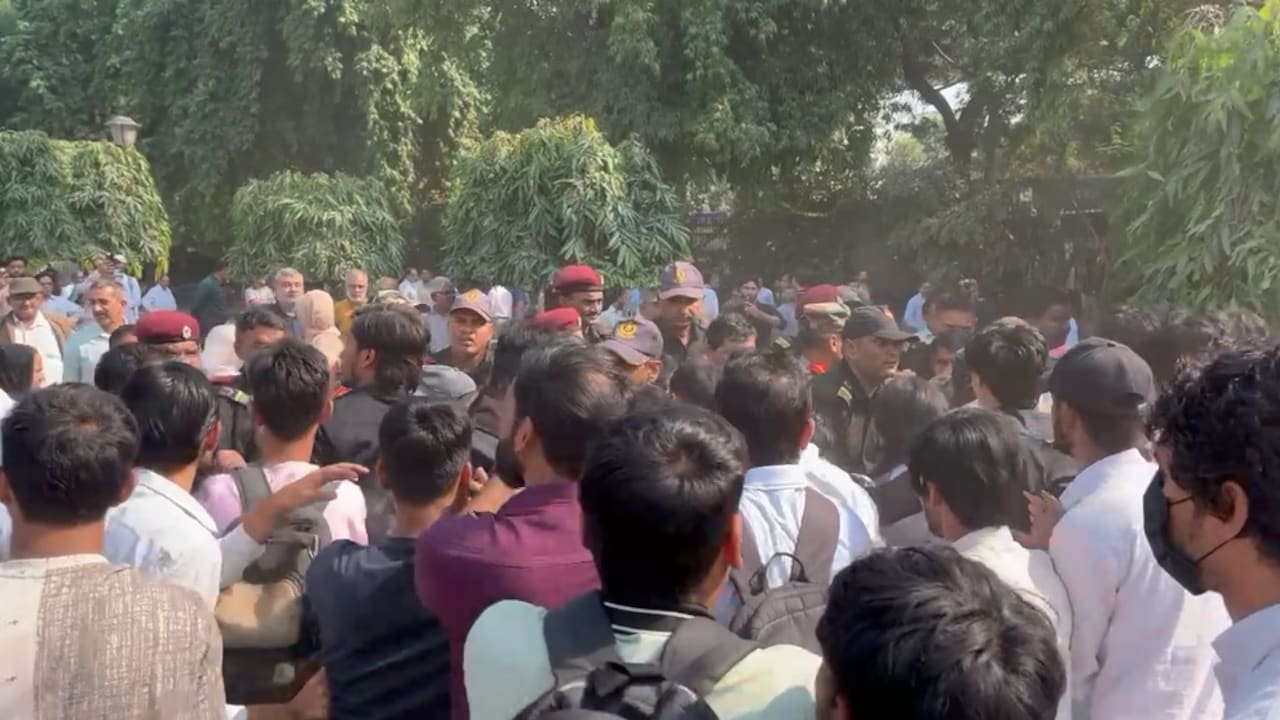
Jamia Millia Islamia has shifted classes online as a student protest demanding a student union election enters its 13th day. The situation has intensified with police detaining several individuals, including opposition Members of Parliament, amid reports of clashes with campus security.
Tensions Escalate at Jamia Millia Islamia: A Deep Dive
The Roots of the Stand-off
The ongoing unrest at Jamia Millia Islamia has reached a critical juncture, with the university administration shifting all academic operations to an online mode on the 13th day of a protest. At the heart of the conflict is a persistent demand from the student body for the restoration of the Jamia Millia Islamia Students’ Union (JMISU). Students argue that the absence of a formal, elected representative body denies them a democratic channel to voice concerns, leading to the current hunger strike which began on October 12.
Escalation and Administrative Response
The situation took a turn for the worse as physical altercations were reported between students and university security personnel. The administration’s decision to initiate disciplinary action against three students involved in the hunger strike has further strained relations. The protestors are not only demanding an election notification but have also expanded their list of grievances to include the immediate removal of the university’s Chief Proctor and Security Advisor, citing concerns over how the administration has handled the dissent.
Political Involvement and Police Intervention
The protest gained significant political attention on Friday when Delhi Police intervened, detaining 10 individuals near the campus. Among those detained were Congress MP Imran Masood and Samajwadi Party MP Mohibbullah Nadvi. The detention of elected representatives underscores the national significance of the protest, as opposition figures attempt to engage with the students. Allegations of manhandling by the police, particularly regarding MP Mohibbullah Nadvi, have added a layer of political controversy to the already complex campus atmosphere.
The Impact on Academic Continuity
By moving classes to an online format, the university administration is attempting to insulate the academic process from the ongoing physical protests. However, this move highlights the depth of the crisis, as the administration finds it difficult to maintain normal campus operations while the stand-off continues. For the students, the shift to online classes is viewed as an attempt to diminish the visibility of their movement, which relies heavily on physical presence and collective action.
Broader Implications for Student Governance
This protest serves as a microcosm of the broader debate surrounding student politics in Indian central universities. The demand for a students' union is fundamentally a demand for institutional democracy. When these channels are perceived as blocked, students often resort to prolonged agitation and hunger strikes to force a dialogue with the administration. The intervention of national lawmakers suggests that the protest has evolved from a local university issue into a wider political discourse regarding the rights of students to organize and the role of the state in managing campus dissent.
Future Outlook
As the protest enters its second week, the resolution remains uncertain. The university faces the dual challenge of maintaining order while addressing the legitimate demands of its student body. If the administration continues to rely on disciplinary measures and physical security barriers, the risk of further clashes and wider political backlash remains high. A path forward likely requires a formal mediation process where the administration provides a clear roadmap for union elections and addresses the specific grievances regarding campus leadership.
Verification Required?