Jamia students on hunger strike over students’ union demand face rustication, suspension
Source Entity
Sophiya Mathew, Syed Ilham Jafri
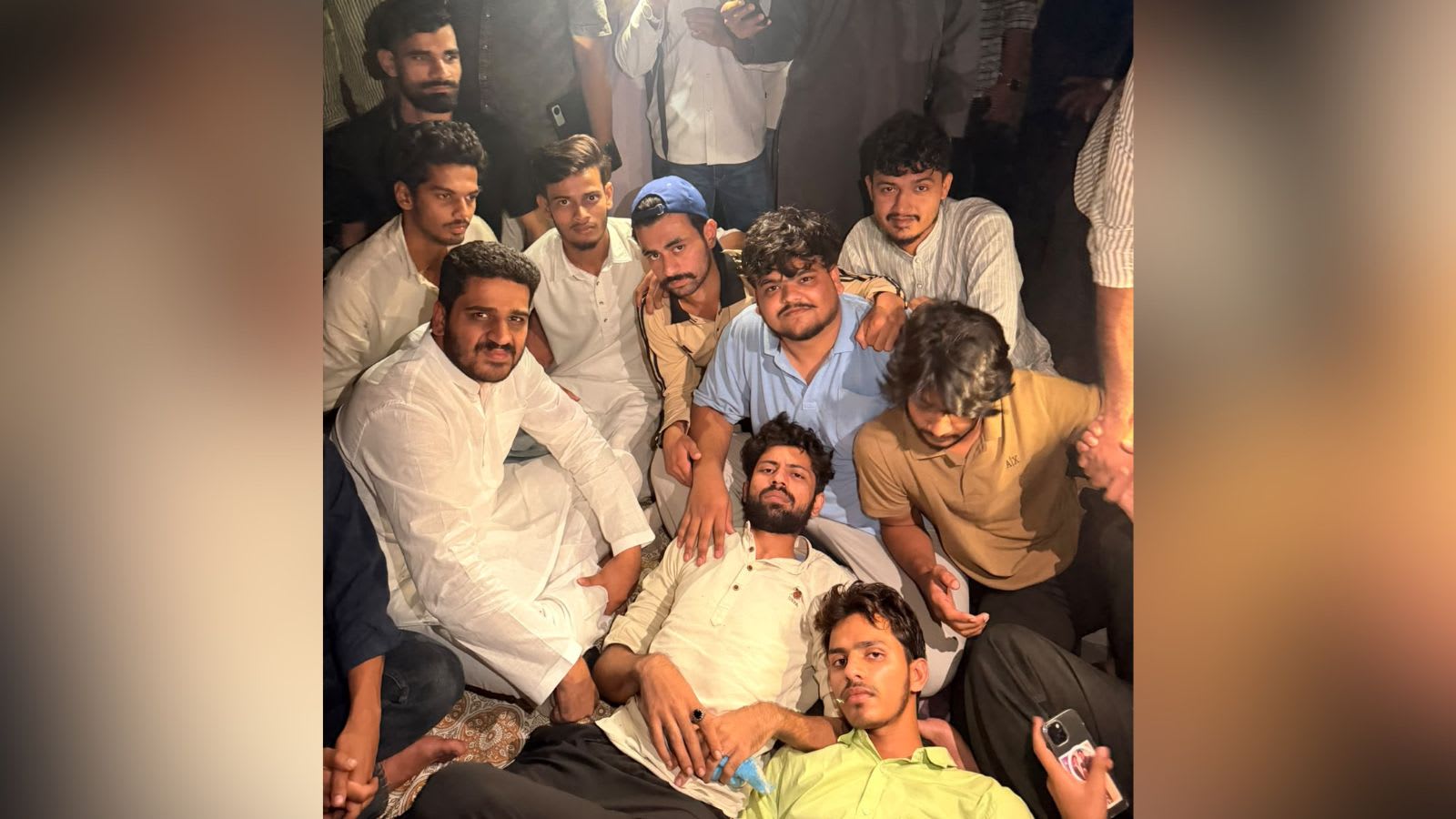
Jamia Millia Islamia has taken disciplinary action against three students, including rustication and suspension, following their participation in a hunger strike for the restoration of the students' union. The administration cited unauthorized protests and obstruction of campus infrastructure work as grounds for these measures.
Disciplinary Action at Jamia Millia Islamia
The administration of Jamia Millia Islamia has initiated stern disciplinary measures against three students—Ebin Basil, Jasim Khan, and Rehaan Haider—following their involvement in an indefinite hunger strike. The protest was organized to demand the restoration of the university’s students’ union, a body that serves as a representative voice for the student community. The administration's decision, issued on Friday, resulted in the rustication of Ebin Basil and the suspension of both Jasim Khan and Rehaan Haider, alongside a one-year campus ban for all three individuals.
Grounds for Disciplinary Action
According to the official orders, the administration’s grievances against the students extend beyond the act of protesting itself. Specifically, the university has accused Ebin Basil of engaging in an “unauthorised sit-in” at the campus Ghalib Lawn. Furthermore, officials allege that the students obstructed university staff during their duties and actively disrupted the installation of CCTV cameras on October 15. These allegations suggest that the administration views the students' tactics not merely as protected speech, but as a direct interference with campus administration and security protocols.
The Demand for Student Representation
At the heart of this conflict lies the long-standing demand for the restoration of a formal students' union at Jamia Millia Islamia. Student unions in Indian universities are historically significant, often serving as the primary bridge between the student body and the academic administration. The push for such a union reflects a desire for structured representation in institutional decision-making. When universities suspend these bodies, it often creates a vacuum of communication, frequently leading to localized protests and hunger strikes as students seek alternative methods to voice their concerns regarding governance and campus rights.
Institutional Governance and Security
The administration’s focus on the obstruction of CCTV installation highlights the tension between student activism and university security management. By prioritizing the installation of surveillance infrastructure, the university is signaling an emphasis on campus order and physical security. However, this move has been met with resistance from students who feel that the lack of a representative union makes them feel marginalized, thus prompting them to adopt disruptive tactics to ensure their demands are acknowledged by the university leadership.
Broader Implications for Campus Activism
This incident highlights a growing trend in Indian higher education where administrative authorities are increasingly utilizing disciplinary measures like rustication and suspension to curb prolonged student protests. The outcome of this specific case will likely serve as a litmus test for the university's approach to dissent. As the administration balances the need for campus discipline with the students' rights to assembly and representation, the situation remains a focal point for debates surrounding the autonomy of student politics and the limits of institutional authority.
Conclusion
In conclusion, the situation at Jamia Millia Islamia underscores a significant divide between administrative mandates and student-led advocacy. While the university maintains that its actions are necessary to prevent the disruption of campus operations, the students view their hunger strike as a vital step toward restoring democratic representation. Moving forward, the university environment will likely continue to be shaped by how these conflicting priorities are negotiated, with the future of student activism in the institution depending on whether a middle ground can be found between administrative compliance and the democratic aspirations of the student population.