Swatantra Bhardwaj row: What’s the Chirag Paswan connection? viral clip triggers police complaint
Source Entity
Latest News: Todays Latest News Headlines from India & World | Hindustan Times | Hindustan Times
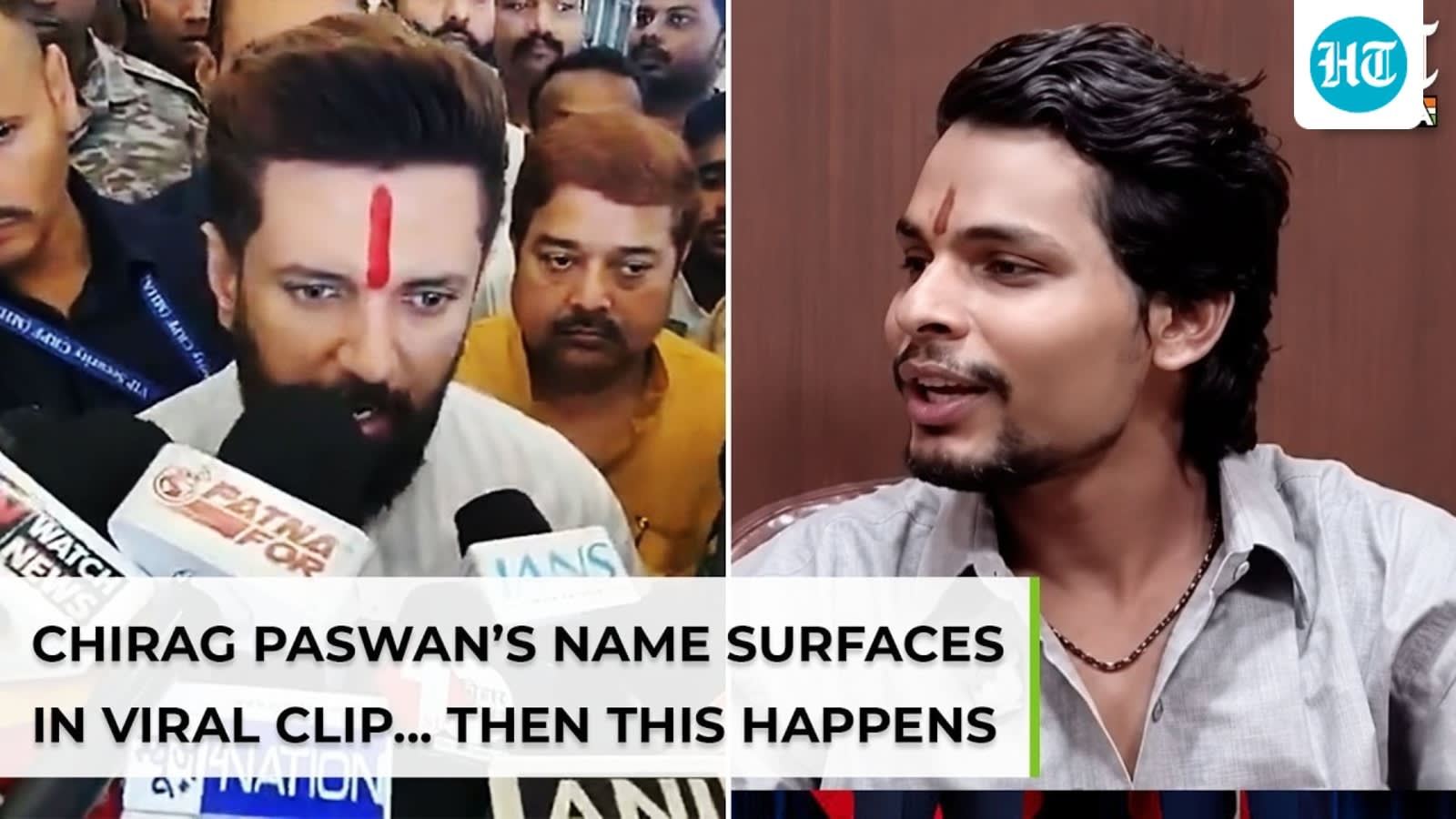
The Delhi Police has denied allegations of political interference regarding an assault case at a Jantar Mantar protest. The CJP, supported by political figures, is demanding the arrest of an influencer who allegedly admitted to the assault in a viral video.
Tensions Erupt at Jantar Mantar: The CJP Assault Case
The recent incident at Jantar Mantar, involving an alleged assault during a protest by the Cockroach Janata Party (CJP) on June 23, has ignited a significant political and social controversy. The incident, which resulted in a head injury to a 38-year-old Ghaziabad resident named Sanjay, has become a flashpoint for accusations regarding law enforcement impartiality and the influence of political figures on investigative processes.
The Core Allegation and Police Response
The controversy centers on the actions of an influencer, identified as Swatantra Bhardwaj, who reportedly boasted on social media about his involvement in the altercation. Following the circulation of a video in which the influencer discusses the incident, the CJP and other political figures have accused the Delhi Police of inaction. In response, the Delhi Police issued a formal statement on X, categorically denying claims of political interference. They maintained that the suspects were handled in accordance with the law and characterized the injuries sustained by the victim as minor, a point of significant contention for the protesters.
Political Mobilization and Demands for Accountability
The CJP, led by figures such as spokesperson Saurav Das and co-convenor Ashutosh Ranka, has taken the matter to the Parliament Street Police Station, organizing marches to demand the arrest of the accused. The intensity of the protest was amplified by the presence of Chandra Shekhar Aazad, president of the Aazad Samaj Party (Kanshi Ram), who joined the CJP leaders to demand justice for the victim and his daughter, Nishu Azad. This coalition suggests that the incident is being viewed not merely as a localized scuffle, but as a broader issue of accountability and potential caste-based discrimination.
The Role of Digital Narratives
This case highlights the growing intersection of digital influence and physical protest. The fact that the suspect allegedly confessed to the act in a widely shared video has placed immense pressure on the police to justify their procedural approach. In the digital age, 'boasting' or inflammatory content posted by influencers can rapidly escalate local incidents into national news stories, forcing law enforcement to navigate between established legal protocols and the court of public opinion.
Broader Implications for Public Order
The situation at Jantar Mantar remains fluid as the CJP continues to press for action. The police's reliance on their official narrative—that the injury was minor and the law was followed—clashes directly with the victim's supporters' claims of a serious assault. As political parties continue to align themselves with the protesters, the case serves as a reminder of the fragility of public order at demonstration sites and the intense scrutiny that Delhi Police faces when handling cases involving political activists and high-profile social media figures.
Future Trends in Political Protest
Moving forward, this incident suggests a trend where protest groups are increasingly utilizing viral media to bypass traditional grievance channels. By documenting police responses and broadcasting them alongside allegations of political meddling, groups like the CJP are effectively turning investigative delays into political campaign points. Unless the police can provide a transparent and convincing resolution that addresses the specific evidence of the alleged assault, the perception of political interference is likely to persist, potentially leading to further civil unrest and increased political polarization in the capital.
Multiple Citing Sources
Verification Required?