‘I don’t have a job’: Smriti Irani recalls asking for work after 2024 Lok Sabha poll defeat
Source Entity
The Indian Express
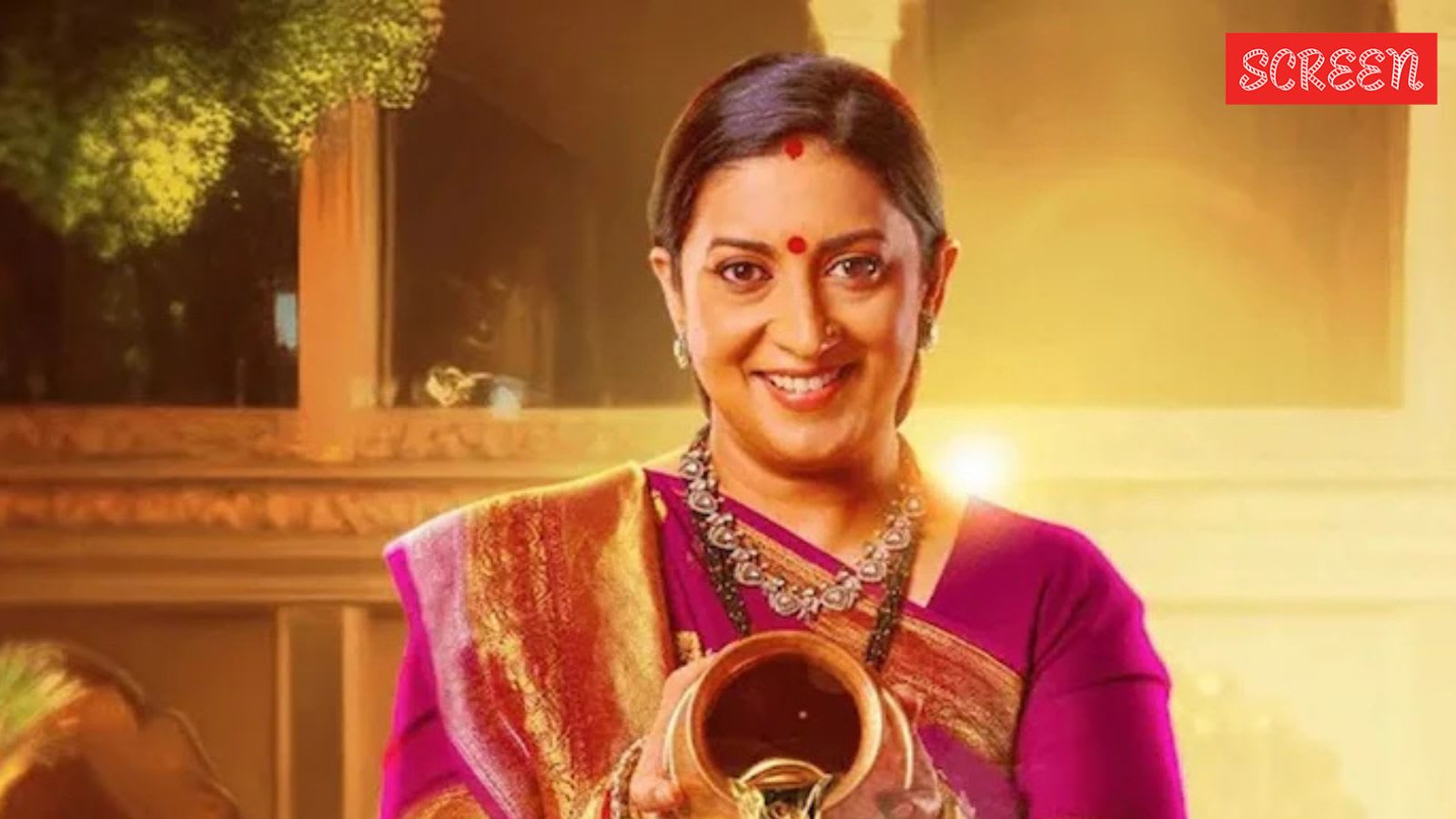
Former Union Minister Smriti Irani reflects on her 2024 Lok Sabha election defeat as a liberating experience. She candidly shared her journey of seeking new employment opportunities within the entertainment industry following her loss in the Amethi constituency.
Transitioning Beyond the Ballot: Smriti Irani's Post-Election Reflection
A Shift in Political Perspective
Following her defeat in the 2024 Lok Sabha elections, where she lost the Amethi constituency to Congress leader Kishori Lal Sharma, former Union Minister Smriti Irani has publicly reflected on her transition out of active governance. This period marks a significant pivot in her career, moving from the high-stakes environment of ministerial responsibilities to a phase of introspection and professional re-evaluation. Her candid admission of reaching out to the entertainment industry for work underscores the inherent volatility of political life, where electoral outcomes can abruptly alter one's professional trajectory.
The Concept of Liberating Defeat
Irani characterizes this electoral loss not merely as a setback but as a "liberating" experience. She distinguishes between the version of herself that entered politics—driven by a need to prove herself—and the 2024 iteration, which she describes as having a desire to contribute. This psychological shift is common among long-term public servants who find themselves suddenly unburdened by the rigid protocols and constant scrutiny of office, allowing for a broader reassessment of their personal and professional value propositions.
The Reality of Professional Re-entry
Perhaps the most striking aspect of her disclosure is the practical reality of seeking employment after a high-profile political career. By actively reaching out to contacts in the entertainment sector, Irani highlights the challenges of professional mobility for individuals transitioning out of the public sector. Her query, "who wants to accept you," touches upon the societal perception of former politicians and the unique hurdles they face when attempting to reintegrate into private or creative industries after years of serving in the public eye.
Historical Context and Political Volatility
Amethi has historically been a significant battleground in Indian politics, often serving as a barometer for the shifting tides of national sentiment. Irani’s loss to Kishori Lal Sharma represents a notable change in the region's political landscape. Analyzing this within the broader context of Indian electoral history, such shifts are rarely permanent, yet they force individual leaders to confront the ephemeral nature of political power. The ability to pivot after such a loss is a testament to the resilience required in modern political life.
Future Implications and Trends
As Irani navigates this post-election phase, her story serves as a case study for future political leaders regarding life after office. The trend of leaders moving fluidly between media, entertainment, and governance is increasingly visible in contemporary society. Her willingness to share this journey suggests a changing narrative around political defeat—moving away from the stigma of loss toward a more humanized view of career evolution. This transparency may encourage future leaders to maintain diverse professional interests, ensuring they remain grounded even when the political tide turns.