'Sanghi goon still free': Dipke demands DCP Sharma's prosecution over inaction against Hindutva influencer
Source Entity
Latest News: Todays Latest News Headlines from India & World | Hindustan Times | Hindustan Times
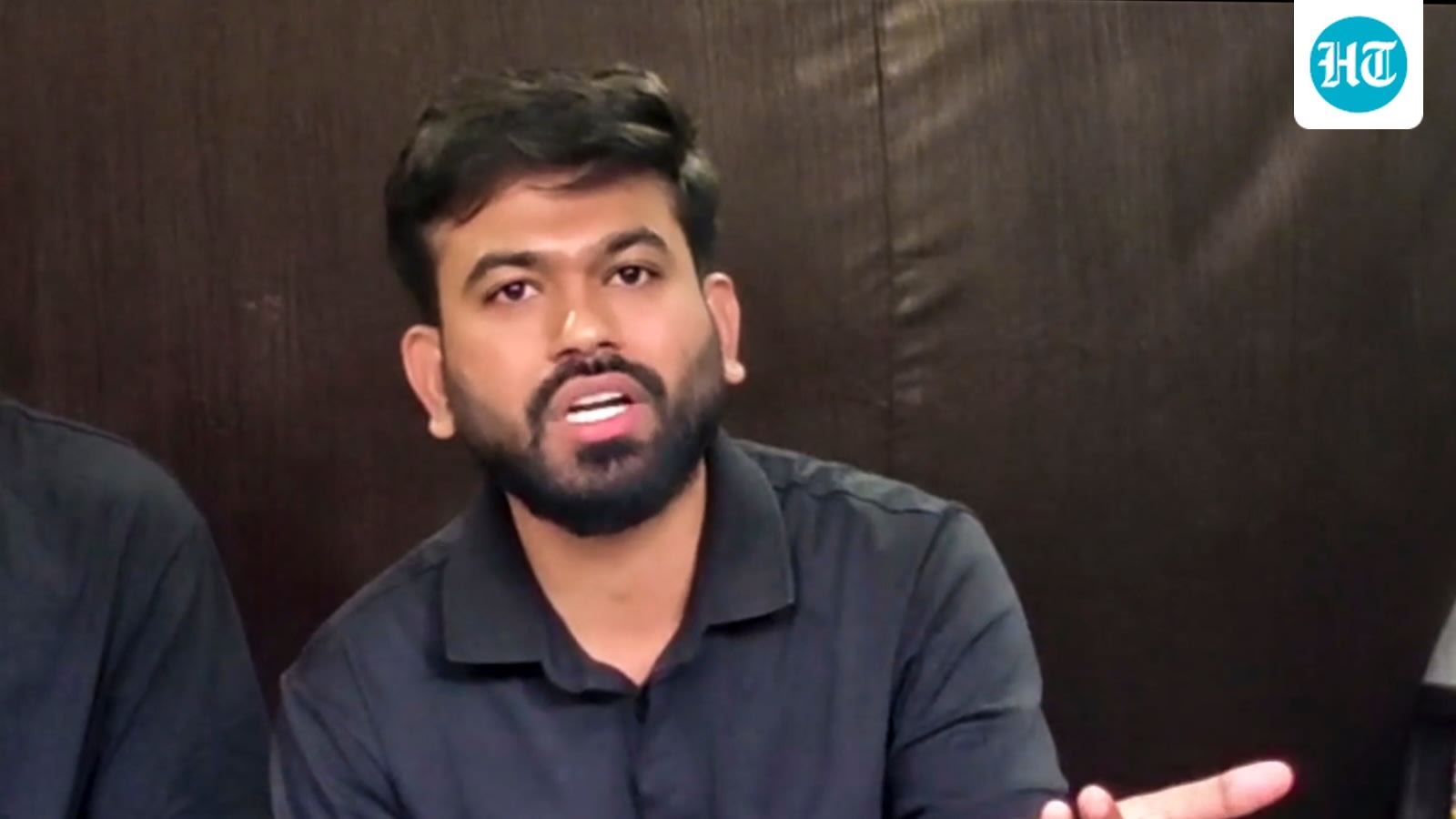
The Delhi Police have denied allegations of political interference regarding an assault case at a Jantar Mantar protest. Tensions persist as the Cockroach Janata Party (CJP) demands the arrest of an influencer who publicly boasted about the incident.
Tensions Erupt at Jantar Mantar: The Assault Allegations
Recent events at Jantar Mantar have sparked a significant controversy involving the Cockroach Janata Party (CJP) and allegations of unchecked violence. On June 23, a protest organized by the CJP turned into a flashpoint for political discourse when an alleged assault occurred, leaving a man named Sanjay Kumar, a 38-year-old resident of Ghaziabad, with a head injury. The situation has since devolved into a polarized debate regarding law enforcement transparency and the influence of social media figures in public protests.
The Role of Social Media and Influencer Claims
The controversy gained significant traction after an influencer, identified as Swatantra Bhardwaj, reportedly shared a video boasting about his involvement in the incident. In the footage, which circulated widely online, the influencer appeared to admit to the assault. This public confession has fueled claims from opposition leaders and CJP representatives that the accused is operating with a sense of impunity, allegedly due to external political connections. The viral nature of these claims has intensified public scrutiny of the incident.
Police Response and Denial of Interference
In response to the mounting pressure, the Delhi Police issued a formal statement via X (formerly Twitter). They categorically denied claims of political interference, asserting that the investigation is being conducted strictly in accordance with the law. Regarding the medical condition of the victim, the police characterized the injuries as minor, a statement that stands in direct contradiction to the claims made by CJP members who describe the incident as a "skull-cracking" assault. This discrepancy in the characterization of the injury serves as a core point of friction between the authorities and the protesters.
Political Mobilization and Demands for Justice
The CJP, led by figures such as spokesperson Saurav Das and co-convenor Ashutosh Ranka, has taken the matter to the Parliament Street Police Station. Their protest is not merely about the assault itself but also highlights an alleged caste angle and a perceived lack of police urgency despite the public nature of the confession. The involvement of Chandra Shekhar Aazad, president of the Aazad Samaj Party (Kanshi Ram), in supporting the CJP leaders underscores the broader political stakes, as opposition parties seek to frame the incident as a failure of institutional accountability.
Broader Implications and Future Trends
This incident highlights a growing trend where political protests are increasingly mediated through social media, leading to "trial by internet" and rapid mobilization. The case reflects the challenges law enforcement faces in balancing objective evidence gathering with the high-pressure environment of public outrage. As the CJP continues to demand accountability, the case will likely serve as a litmus test for how Delhi Police handles allegations of political bias involving high-profile social media figures. The outcome of this investigation will be closely watched, as it may set a precedent for how future protest-related violence and digital confessions are handled by authorities in the capital.
Multiple Citing Sources
Verification Required?