Meet the protester at Jantar Mantar — young, angry, and very Gen Z
Source Entity
Drishti Jain, Vidheesha Kuntamalla, Trisha Mukherjee, Devansh Mittal
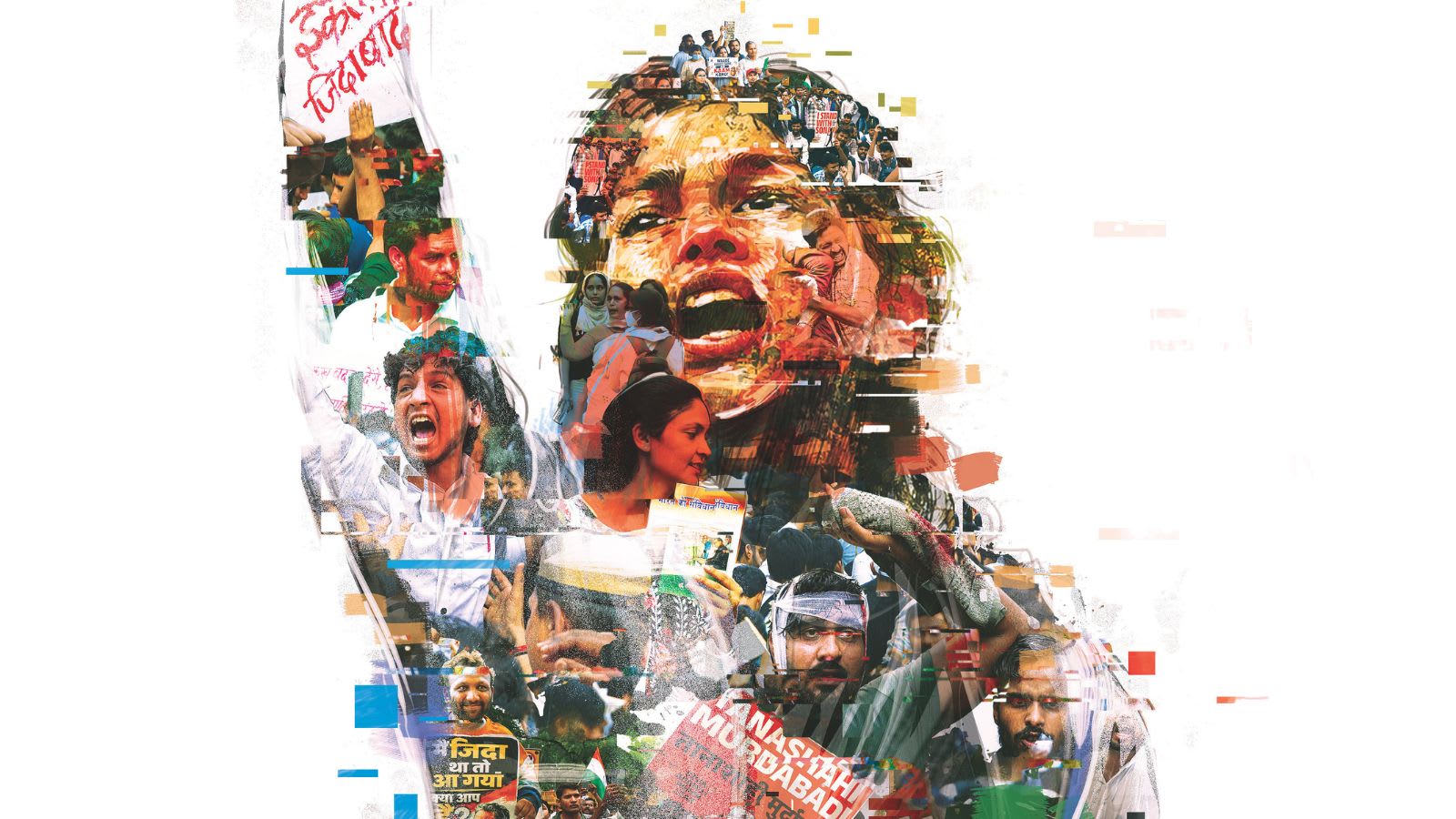
A large-scale, youth-led protest at Jantar Mantar continues to grow, with demonstrators demanding the resignation of Education Minister Dharmendra Pradhan. Despite ongoing government negotiations, participants remain defiant, citing economic anxiety and unemployment as primary drivers for their agitation.
The Jantar Mantar Standoff: A Surge of Youth-Led Dissent
The protest site at Jantar Mantar in New Delhi has transformed into a epicenter of political friction as thousands gather to demand the resignation of Union Education Minister Dharmendra Pradhan. Despite the conclusion of activist Sonam Wangchuk’s hunger strike and ongoing negotiations between the Cockroach Janta Party (CJP) and the central government, the energy on the ground remains remarkably defiant. The sheer volume of participants, characterized by serpentine queues stretching to the Janpath metro station, underscores a significant escalation in the agitation’s reach.
The Socio-Economic Drivers of the Agitation
At the heart of this movement is a profound sense of anxiety regarding the future of India’s youth. Demonstrators like 21-year-old engineering student Shivam represent a broader demographic of Gen Z citizens who are increasingly disillusioned by stagnant job prospects. The narrative from these protesters highlights a grim reality where even students in technical fields, such as Electronics and Communication Engineering, face an uncertain labor market, often resorting to gig economy roles in delivery or ride-sharing services to survive. This economic precarity has served as a catalyst, drawing diverse groups including farmers, lawyers, and NGO workers to the protest site.
Constitutional Dissent and Democratic Values
As the agitation enters its second month, the discourse surrounding the protests has shifted toward the nature of democratic dissent. Intellectual and political commentary, including perspectives from figures like Ram Madhav, highlights that while the Indian Constitution under Article 19(1)(a) provides the fundamental right to freedom of speech and expression, this right necessitates a framework of discipline. The tension lies in balancing the constitutional guarantee of peaceful critique against the logistical challenges posed by such massive, sustained public demonstrations.
The Evolution of the Protest Movement
What began as a localized expression of dissatisfaction has now achieved a critical mass, drawing individuals from across the country, such as Satish Deshpande who traveled from Madhya Pradesh. The presence of these delegates signifies that the protest is no longer a peripheral event but a central feature of the current political landscape. The logistical footprint—characterized by long wait times and the involvement of various professional unions—suggests a high level of organizational commitment among the participants.
Future Implications and Political Stasis
Looking ahead, the movement presents a complex challenge for the Union government. The demand for the resignation of the Education Minister reflects a specific target for the protesters' grievances, yet the broader implications involve a systemic critique of current employment policies. As the CJP continues its dialogue with the central administration, the defiance displayed by the crowds suggests that mere administrative talks may not suffice. The intersection of economic anxiety, youth mobilization, and the firm insistence on accountability suggests that this standoff at Jantar Mantar will continue to test the responsiveness of the political establishment to the demands of the younger generation.
Multiple Citing Sources