After White House accord, Trump announces formation of Super Intelligence Force to ‘ensure US lead in AI’
Source Entity
Latest News: Todays Latest News Headlines from India & World | Hindustan Times | Hindustan Times
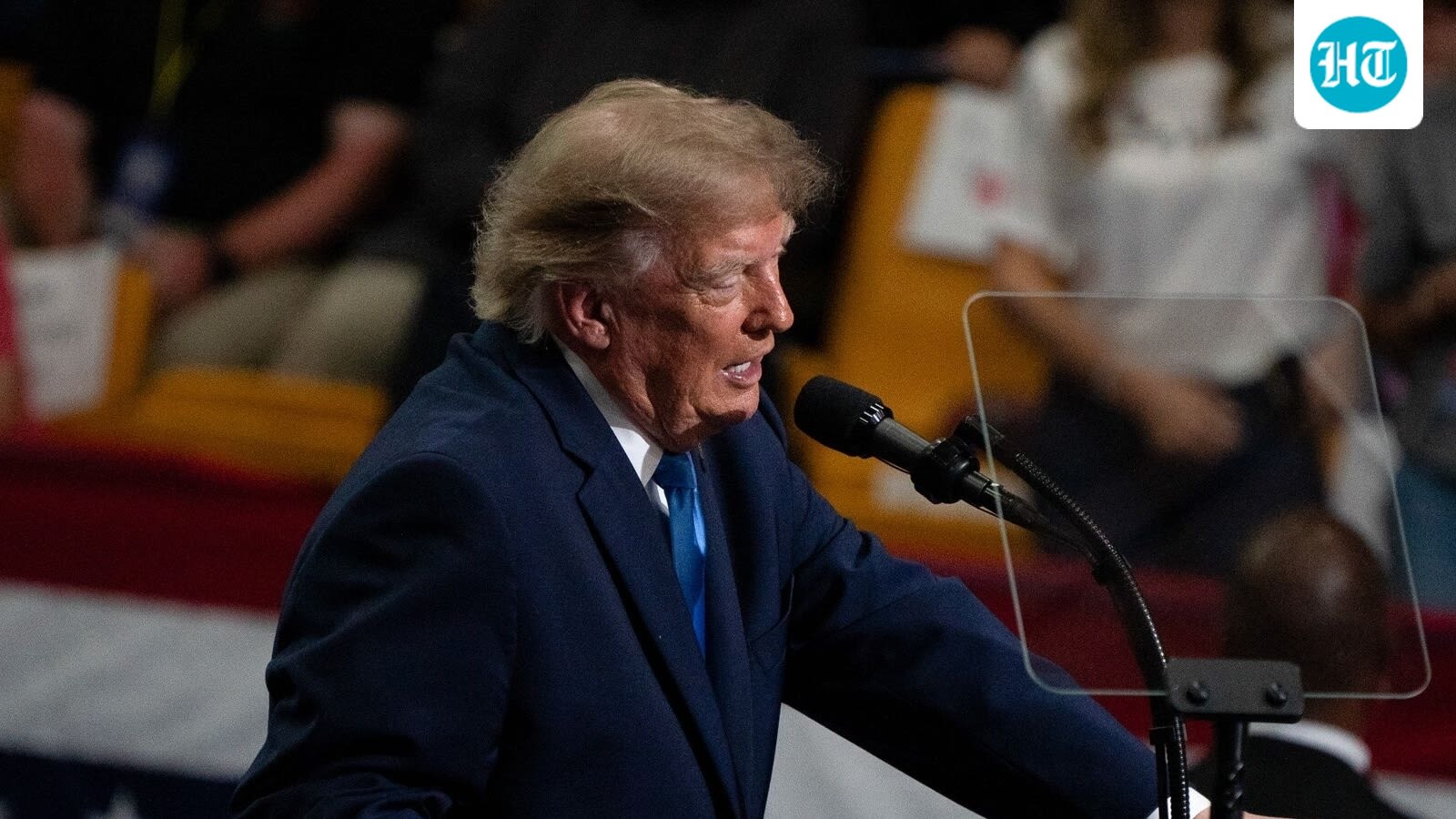
President Trump has appointed Director of National Intelligence Jay Clayton as the new AI czar to lead a White House 'Super Intelligence' task force. The group is tasked with delivering a comprehensive report on the risks and opportunities of advanced AI within 120 days.
The Rise of the 'Super Intelligence' Task Force
The Trump administration has taken a significant step in shaping the trajectory of emerging technologies by appointing Director of National Intelligence Jay Clayton as the nation’s new AI czar. This strategic move, first reported by The Wall Street Journal, marks a formal transition in how the federal government intends to oversee the rapid development of artificial intelligence. By placing the Director of National Intelligence at the helm of this initiative, the administration is signaling that AI is no longer merely a commercial or academic concern, but a matter of high-level national security and strategic statecraft.
Defining 'Super Intelligence'
Central to this new policy framework is the administration’s linguistic shift from the standard industry term 'AI' to 'Super Intelligence' (SI). As reported, this is not merely a stylistic preference by President Trump; it reflects an effort to categorize advanced machine learning systems as a distinct class of powerful, potentially destabilizing technologies. By establishing the 'Super Intelligence Force,' the White House aims to centralize authority and focus its regulatory and research efforts on the most advanced iterations of these systems that could impact the nation's competitive edge.
The 120-Day Mandate
The newly formed task force under Clayton’s leadership has been given an aggressive 120-day timeline to produce a comprehensive report. This document is expected to serve as the blueprint for federal oversight, outlining both the existential risks posed by SI and the strategic opportunities for the United States to maintain global dominance in the sector. The mandate requires the task force to define clear government responsibilities, potentially setting the stage for significant legislative or executive action regarding how the U.S. monitors and fosters AI development.
Historical Context and Transitions
Jay Clayton’s appointment follows the departure of venture capitalist David Sacks, who previously served as the AI and crypto czar before resigning in March. This leadership change suggests a pivot in the administration’s approach, moving away from a focus primarily rooted in the venture capital and financial sector toward one deeply integrated with the intelligence community. This shift underscores the administration’s belief that the challenges of AI are increasingly tied to geopolitical competition and the protection of national infrastructure.
Broader Implications for Policy
The integration of the intelligence apparatus into AI policy-making suggests that future U.S. regulations may be heavily influenced by security concerns, such as data sovereignty, algorithmic warfare, and the prevention of adversarial exploitation. As Clayton leads this task force, the tech industry will be watching closely to see how the government balances the need for innovation against the desire for strict security controls. The upcoming 120-day report will likely define the parameters of the U.S. regulatory environment for the foreseeable future, serving as a litmus test for how the administration reconciles the rapid pace of technological change with the bureaucratic processes of the state.
Multiple Citing Sources
Verification Required?