Nine lakh houses for Andhra: Naidu, Chouhan lay foundation for first three lakh under PMAY-G
Source Entity
India Latest News: Top National Headlines Today & Breaking News | The Hindu
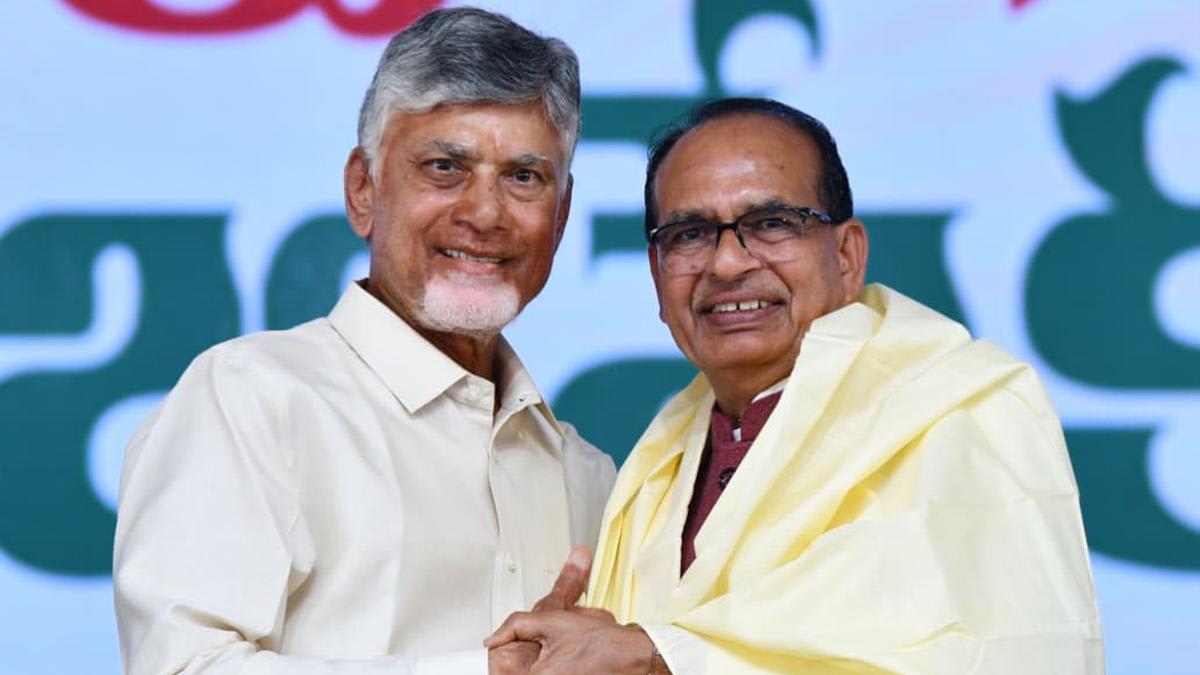
Andhra Pradesh Chief Minister N. Chandrababu Naidu and Union Minister Shivraj Singh Chouhan have launched the construction of three lakh houses under PMAY-G 2.0. The state aims to achieve total housing coverage by 2029 through a phased allocation of nine lakh units.
A Landmark Step for Rural Housing in Andhra Pradesh
In a significant move to address rural housing shortages, Andhra Pradesh Chief Minister N. Chandrababu Naidu and Union Minister for Rural Development Shivraj Singh Chouhan officially laid the foundation for three lakh new homes under the Pradhan Mantri Awas Yojana-Gramin (PMAY-G) 2.0. The inauguration, held in the village of Burripalem within the Tenali constituency, marks the beginning of an ambitious roadmap to ensure comprehensive housing coverage for the state's rural population by 2029.
Scaling the Vision: The Nine Lakh Target
The scope of this initiative extends well beyond the initial three lakh units. During the event, Minister Chouhan announced that the Union government has committed to a total allocation of nine lakh houses for Andhra Pradesh. This is being executed in phases: following the initial three lakh, an additional three lakh will be sanctioned upon the completion of the current phase, followed by a final installment of three lakh in the subsequent year. This phased approach allows the state to manage logistics, labor, and materials effectively while maintaining consistent progress.
Technological Innovation in Construction
A notable highlight of this project is the integration of modern construction technology. In an effort to expedite building timelines and enhance structural durability, the government has launched a pilot program in Burripalem featuring 177 houses built with 3D-printed walls. This move signals a shift toward adopting advanced engineering solutions for mass housing projects, which could significantly reduce the carbon footprint and construction time compared to traditional brick-and-mortar methods.
Socio-Economic Implications
The PMAY-G 2.0 initiative serves as a cornerstone for the state’s socio-economic development. By providing stable, permanent housing to rural families, the government aims to enhance the quality of life and health standards for its citizens. Furthermore, the massive scale of this construction project is expected to generate significant local employment opportunities, stimulating the rural economy through demand for raw materials and construction labor.
Strategic Alignment and Future Outlook
The collaboration between the state government under Chief Minister Naidu and the Union Ministry reflects a synchronized effort to meet the 2029 target for universal housing. By leveraging federal funding and state-level execution, the administration is positioning itself to bridge the gap between urban and rural living standards. As the project scales to the nine-lakh-house mark, the success of the 3D-printing pilot will likely determine the feasibility of scaling such technologies across other districts in Andhra Pradesh, setting a new precedent for government-sponsored infrastructure projects.
Verification Required?