Daughter of MP murdered five years ago says politicians still at risk
Source Entity
BBC News
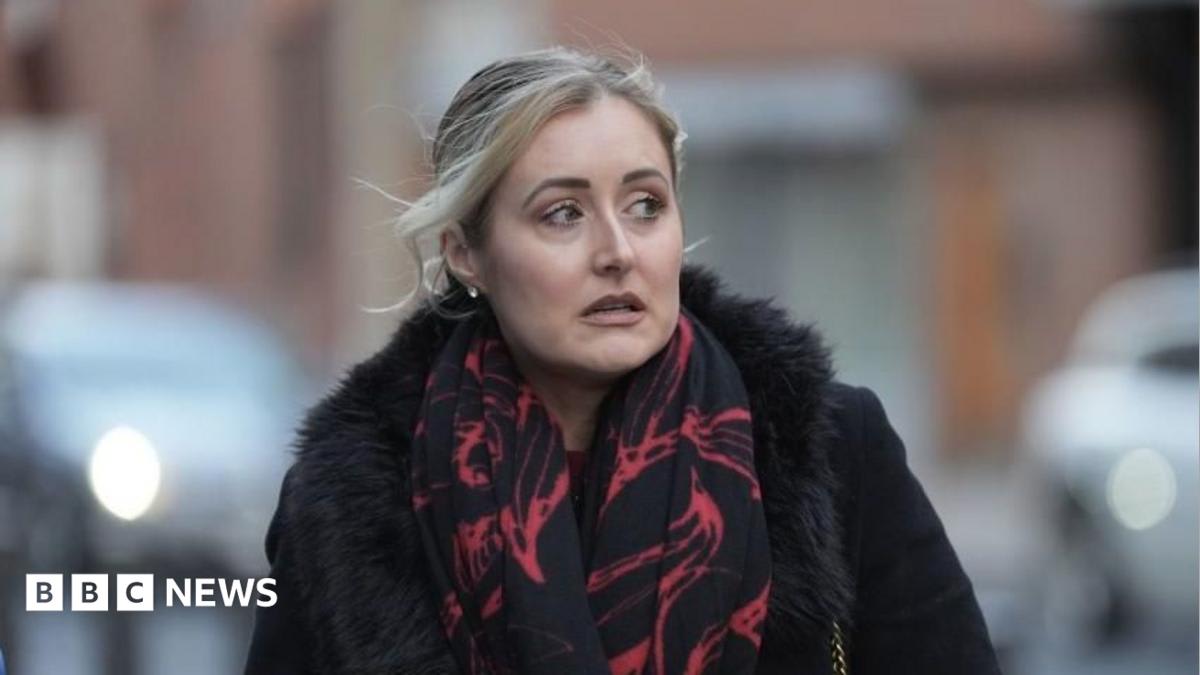
Five years after the murder of Sir David Amess, his daughter Katie Amess has raised concerns over the persistent threats facing UK politicians. Recent legal developments, including the conviction of a man for threatening Kemi Badenoch, highlight an escalating climate of intimidation against public officials.
The Persistent Shadow Over British Politics
Five years after the tragic murder of Sir David Amess, the discourse surrounding the safety of British politicians has reached a critical inflection point. Katie Amess, daughter of the late Member of Parliament, has publicly questioned the efficacy of protective measures implemented since her father’s death. Her intervention serves as a somber reminder that despite various security reviews and policy adjustments, the fundamental vulnerability of elected representatives remains a pressing concern for the UK’s democratic institutions.
Escalating Threats and Judicial Action
The climate of intimidation is underscored by recent legal proceedings involving Conservative leader Kemi Badenoch. Kieran Kyle, a 43-year-old man, recently pleaded guilty to sending offensive and indecent communications to both Badenoch and her family. This case, which is set for sentencing on October 29, illustrates that threats against public figures are not merely abstract political risks but tangible, personal violations that extend to the families of those in office. This incident confirms a broader trend where digital harassment and targeted abuse have become normalized components of a politician’s life.
A Pervasive Culture of Intimidation
The scope of this issue transcends party lines, affecting figures ranging from Reform UK's Richard Tice to Prime Minister Keir Starmer, the latter of whom has faced extreme hostility, including the firebombing of his home. Katie Amess has highlighted these examples to argue that the threat landscape is not only persistent but currently on an upward trajectory. This suggests that the current deterrents in place are insufficient to curb the emboldened behavior of those seeking to silence or terrorize public servants through violence and intimidation.
The Impact on Democratic Engagement
When politicians are forced to operate under a constant veil of threat, the health of the entire democratic system is compromised. Kemi Badenoch’s admission that she must simply "get on with it" reflects a stoic but unsustainable resignation to a dangerous environment. This normalization of hostility risks discouraging potential candidates from entering public life, ultimately narrowing the pool of talent willing to represent the public and weakening the robust debate necessary for a functioning democracy.
Future Trends and Policy Implications
As the UK moves forward, the pressure on the government to "crack down" on such behavior will likely intensify. The combination of high-profile legal convictions and the vocal advocacy of families affected by past violence suggests that security protocols—both physical and digital—will undergo further scrutiny. Future policy trends will likely focus on stricter enforcement of communication laws and potentially enhanced security funding for MPs, as the state grapples with the difficult balance between maintaining accessible constituency representation and ensuring the personal safety of its officials.
Concluding Assessment
The situation remains precarious. The ongoing legal repercussions for those who harass politicians are a necessary step, but as Katie Amess’s testimony suggests, they may not be a sufficient long-term solution. Addressing the root causes of this rising hostility, whether through legislative reform or societal intervention, is essential to ensuring that the tragedy of five years ago remains an anomaly rather than a precursor to a more violent political era.