Trump taps Director of National Intelligence Jay Clayton as AI czar: WSJ reports
Source Entity
US Top News and Analysis
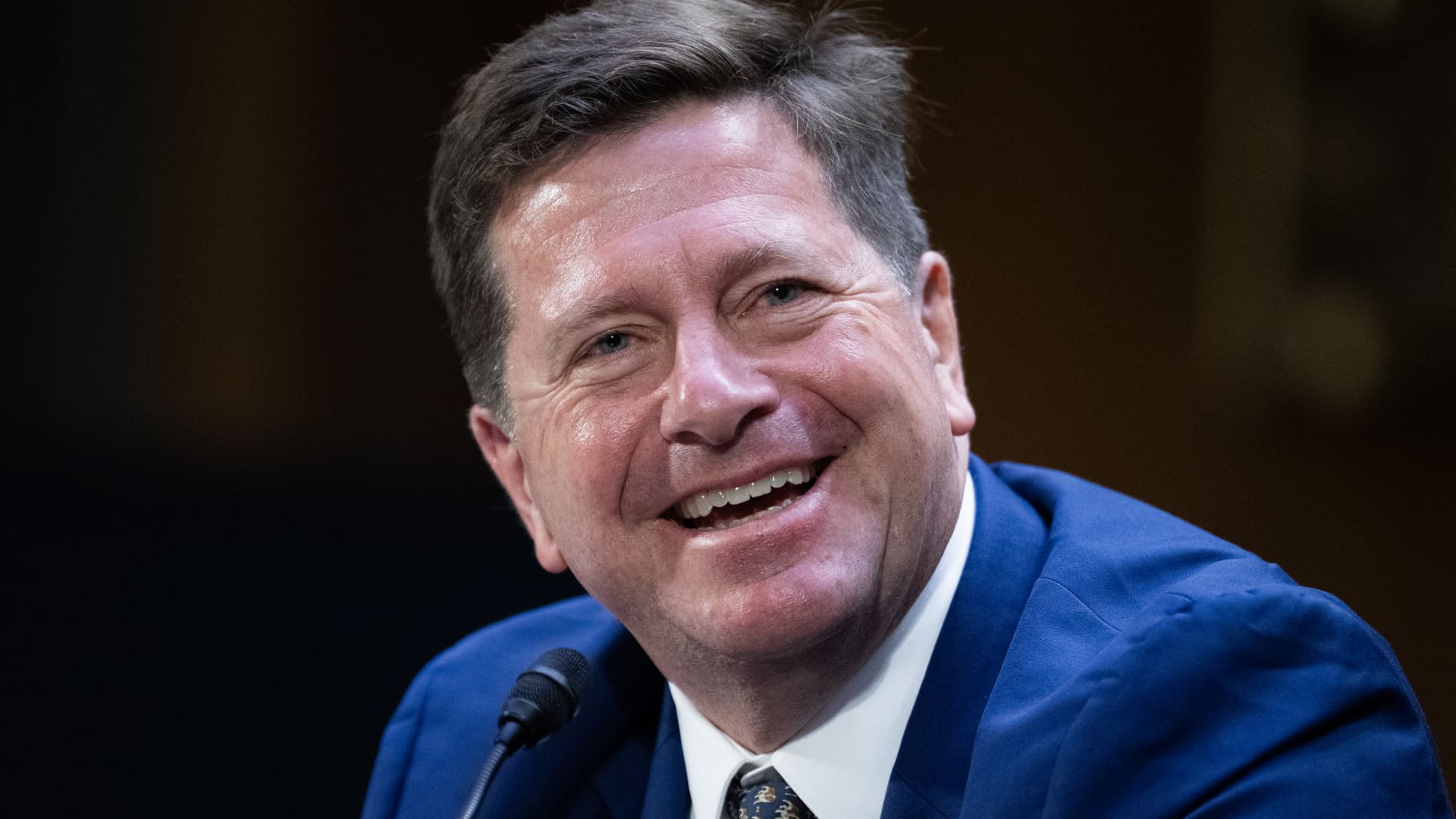
President Trump has appointed Director of National Intelligence Jay Clayton as the administration's new 'AI czar.' Clayton will lead a 120-day White House task force, dubbed the 'Super Intelligence Force,' to assess the risks and opportunities of advanced AI technologies.
The Elevation of Jay Clayton to AI Czar
In a significant pivot for the Trump administration's technological governance, Director of National Intelligence (DNI) Jay Clayton has been tapped as the new AI czar. This appointment marks a strategic shift, moving oversight from the venture capital sector—previously held by David Sacks—directly into the heart of the national intelligence apparatus. By positioning the DNI at the helm of AI policy, the administration signals that it views the development of artificial intelligence not merely as an industrial or economic concern, but as a primary pillar of national security and geopolitical strategy.
The 'Super Intelligence Force' Mandate
Central to Clayton's new role is the leadership of the newly formed White House task force, which President Trump has designated the 'Super Intelligence Force.' The administration’s preference for the term 'Super Intelligence' (SI) over 'Artificial Intelligence' (AI) is more than a semantic choice; it reflects a focus on the existential and strategic capabilities of next-generation systems. The task force has been granted a strict 120-day window to conduct a comprehensive research project, mapping out the risks and opportunities inherent in these technologies.
Defining Federal Responsibility
Beyond simple assessment, the mandate for the task force includes providing concrete recommendations on the federal government's responsibilities. As Clayton navigates this role, he must balance the drive for American technological dominance with the need for regulatory frameworks that mitigate systemic risks. This report will likely serve as the foundational policy document for the administration's approach to managing the rapid evolution of SI, addressing how the state should intervene in a market that has historically operated with significant autonomy.
Historical Context and Administrative Transition
Clayton’s appointment follows the resignation of David Sacks, who previously oversaw AI and crypto policy until March. The transition from a venture capitalist to an intelligence professional suggests a hardening of the administration’s stance. While Sacks approached AI policy through the lens of market innovation, Clayton’s background as DNI suggests an emphasis on data integrity, foreign influence, and the strategic competition between global powers. This change suggests that the administration is preparing for a new phase of 'super intelligence' governance where security protocols are prioritized alongside market expansion.
Geopolitical Implications
By tasking Clayton with ensuring the United States secures a lead in the field, the administration is clearly positioning SI as a race for global hegemony. The 120-day deadline underscores the urgency felt by the White House regarding the pace of international development. As other global actors accelerate their own AI capabilities, the 'Super Intelligence Force' will likely focus on securing supply chains, protecting intellectual property, and ensuring that domestic technological advancements remain ahead of external threats.
Future Trends and Outlook
Looking ahead, the findings produced by Clayton’s task force will likely dictate the regulatory landscape for years to come. If the administration follows the trajectory set by this appointment, we can expect increased integration between the intelligence community and the private tech sector. The upcoming report will be a critical bellwether for whether the administration opts for a light-touch regulatory approach or a more robust, state-led industrial policy designed to safeguard national interests in the age of super intelligence.
Multiple Citing Sources