'Govt stealing money, destroying lives': Rahul Gandhi vows campaign against E20
Source Entity
ROHITASHWA RANJAN
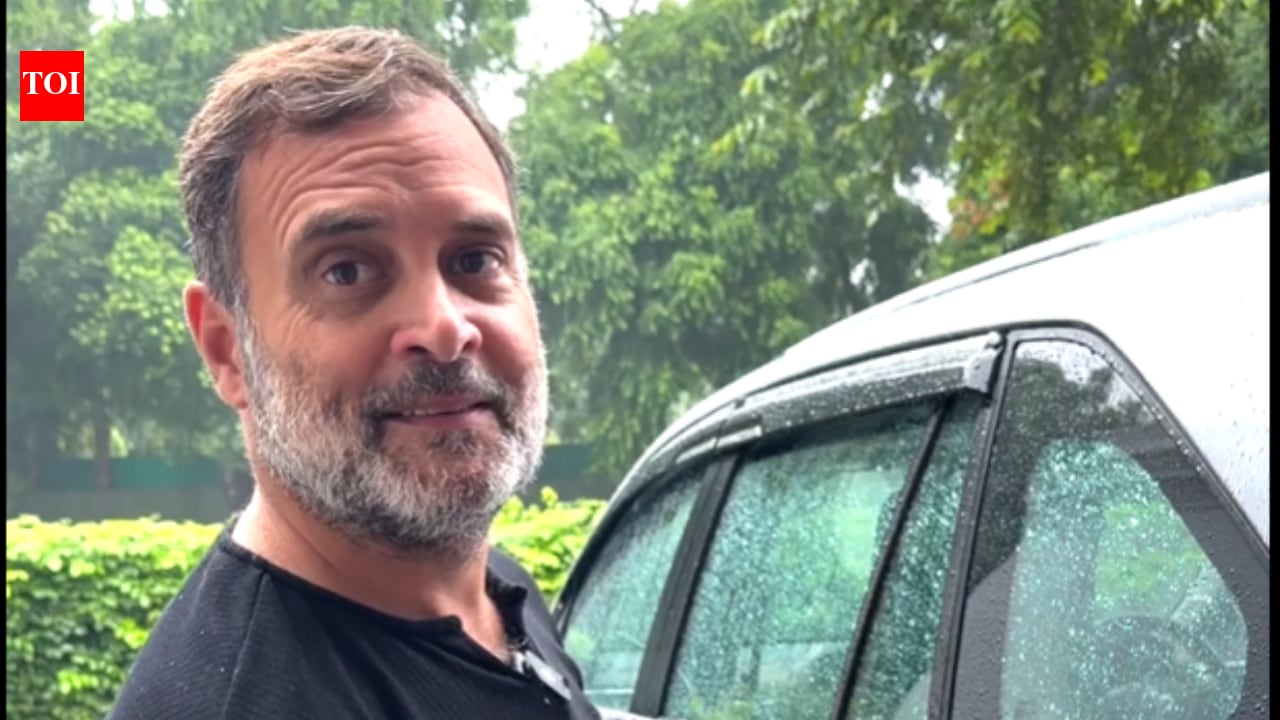
Protesters in Jharkhand have entered their 14th day of a hunger strike supported by BJP leaders and Rahul Gandhi. Simultaneously, Gandhi has launched a political offensive against the E20 fuel policy, labeling it a destructive economic burden.
Political Unrest in Jharkhand: A Two-Front Battle
The ongoing protests in Jharkhand, now spanning 14 consecutive days, represent a significant flashpoint in regional governance. With demonstrators engaging in a sustained hunger strike, the movement has transcended local grievances to attract high-profile national attention. The involvement of both BJP leadership and Rahul Gandhi underscores the volatile nature of these protests, suggesting that the underlying issues—likely related to employment, governance, or regional rights—have become central to the broader political discourse in the state.
The Dynamics of Sustained Civil Disobedience
A fourteen-day hunger strike is an extreme form of civil disobedience that signals deep-seated frustration among the student population. Historically, such prolonged demonstrations in India often serve as a catalyst for political realignment. By lending their support, national figures like Rahul Gandhi and BJP representatives are attempting to align themselves with the grassroots sentiment, effectively turning local academic or economic grievances into a battleground for political legitimacy.
Rahul Gandhi’s Campaign Against E20
Simultaneously, Rahul Gandhi has initiated a vocal campaign against the E20 fuel policy, which mandates a 20% ethanol blend in gasoline. Gandhi’s assertion that the government is "stealing money and destroying lives" positions this policy as a regressive economic burden on the common citizen. This rhetoric suggests that the opposition views the government’s energy transition strategy not merely as an environmental initiative, but as a fiscal policy that disproportionately impacts the poor and middle class.
Interconnected Economic and Political Challenges
While the Jharkhand protests and the E20 opposition appear distinct, they are linked by a common thread: the perception of government overreach and economic mismanagement. The E20 policy has been a pillar of the current administration's energy security strategy, yet its implementation has faced scrutiny regarding fuel efficiency and supply chain impacts. When viewed alongside the student protests in Jharkhand, it becomes clear that the opposition is constructing a narrative of systemic failure that spans from regional employment crises to national energy policy.
Broader Implications and Future Trends
Looking ahead, these developments suggest a period of heightened political friction. If the hunger strike in Jharkhand continues without a resolution, it risks escalating into a wider state-level crisis. Furthermore, the politicization of the E20 mandate indicates that environmental policy will increasingly become a target for populist critique. The government must now navigate the delicate balance of maintaining its long-term energy goals while addressing the immediate socio-economic anxieties expressed by these various protesting factions.