J&K clerics apologise, offer ‘repentance prayers’ for standing during Vande Mataram at Waqf Board function
Source Entity
India Latest News: Top National Headlines Today & Breaking News | The Hindu
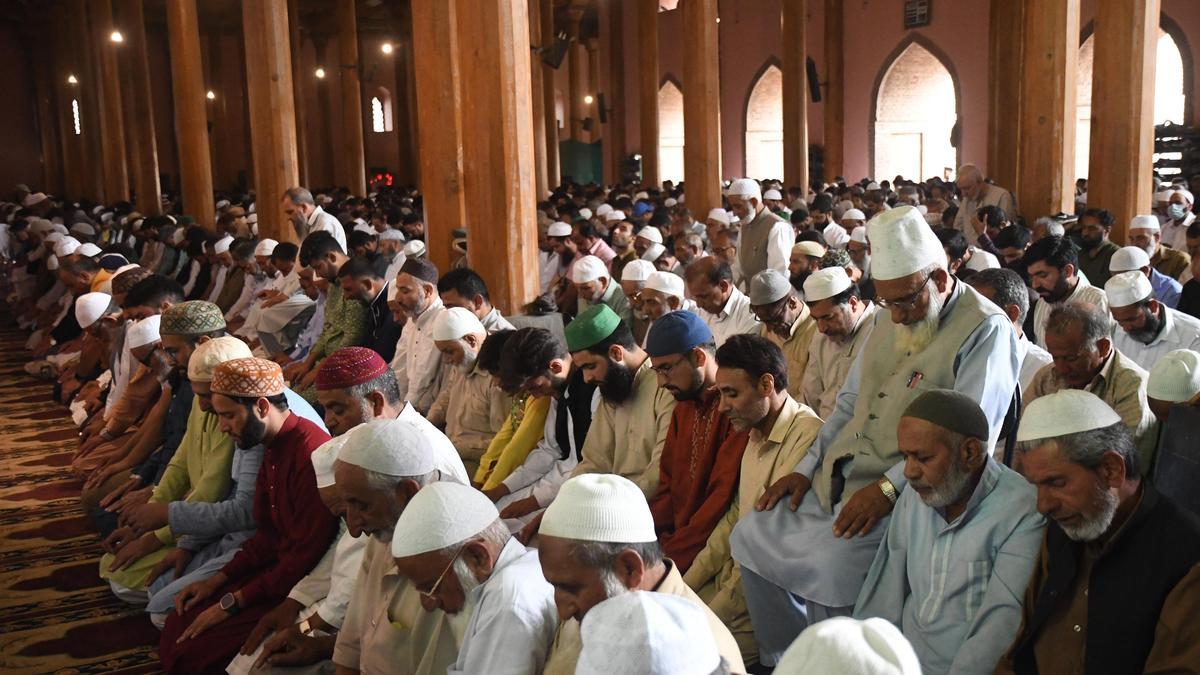
Muslim clerics in Jammu and Kashmir have issued apologies and performed repentance prayers after standing during the playing of Vande Mataram at a Waqf Board event. The incident sparked significant backlash from religious organizations, including the Muttahida Majlis-e-Ulama, who cited contradictions with Islamic beliefs.
The Waqf Day Controversy: A Clash of Ritual and Identity
The recent Waqf Day celebration in Srinagar, held on November 23, 2026, has ignited a fierce debate within Jammu and Kashmir regarding the intersection of state functions and religious observance. The event, hosted by the J&K Waqf Board and attended by Union Minority Affairs Minister Kiren Rijiju, became a flashpoint when the national song, Vande Mataram, was played. For several prominent Muslim clerics in attendance, the act of standing during the song has led to public condemnation and subsequent acts of contrition.
The Act of Repentance
Following the event at the Sher-e-Kashmir University of Agricultural Sciences and Technology, the participating clerics publicly apologized and performed 'repentance prayers,' specifically reciting the 'kalima.' This reaction underscores the gravity with which these religious leaders view the incident. By seeking 'forgiveness from Allah,' the clerics have signaled that their participation was viewed by their constituents as a compromise of their religious identity, necessitating a formal spiritual redress.
Religious Objections and the MMU
The reaction from religious bodies, most notably the Muttahida Majlis-e-Ulama (MMU) led by Mirwaiz Umar Farooq, highlights a deep-seated ideological divide. The objection is centered on the belief that standing for or participating in the rendition of Vande Mataram is contrary to fundamental Islamic beliefs. The MMU’s decision to potentially seek legal opinion suggests that this is not merely a spiritual concern but a broader challenge to how state-sanctioned patriotic rituals are integrated into the public life of the region.
Contextualizing the Waqf Board's Role
It is essential to consider the role of the J&K Waqf Board, currently chaired by BJP leader Darakhshan Andrabi, in this narrative. The board’s attempt to introduce a 'Waqf Day' is part of a larger effort to formalize and integrate the management of religious endowments under a more centralized, government-aligned framework. When such administrative initiatives intersect with sensitive cultural symbols like the national song, they often act as a catalyst for friction between the administration and traditional religious institutions.
Political Implications for J&K
This incident serves as a microcosm of the political climate in Jammu and Kashmir. The presence of a Union Minister at the event further politicized the situation, framing the controversy as a test of allegiance and cultural integration. The backlash from religious groups demonstrates that even in an era of administrative transition, traditional religious authorities maintain significant influence over the public conscience and remain a powerful counterbalance to state-driven nationalistic displays.
Future Trends and Social Cohesion
Looking forward, this event suggests that future government-organized functions in the region will face heightened scrutiny. The move by the MMU to explore legal avenues indicates that religious organizations are prepared to challenge policies they perceive as overstepping into theological territory. As the administration continues its efforts to normalize governance in J&K, the challenge will be to balance national symbols with the deeply ingrained religious sensitivities of the local population, a task that remains fraught with potential for further social friction.
Verification Required?