‘Should have avoided’: Congress on SP declaring list of five candidates for U.P. polls
Source Entity
India Latest News: Top National Headlines Today & Breaking News | The Hindu
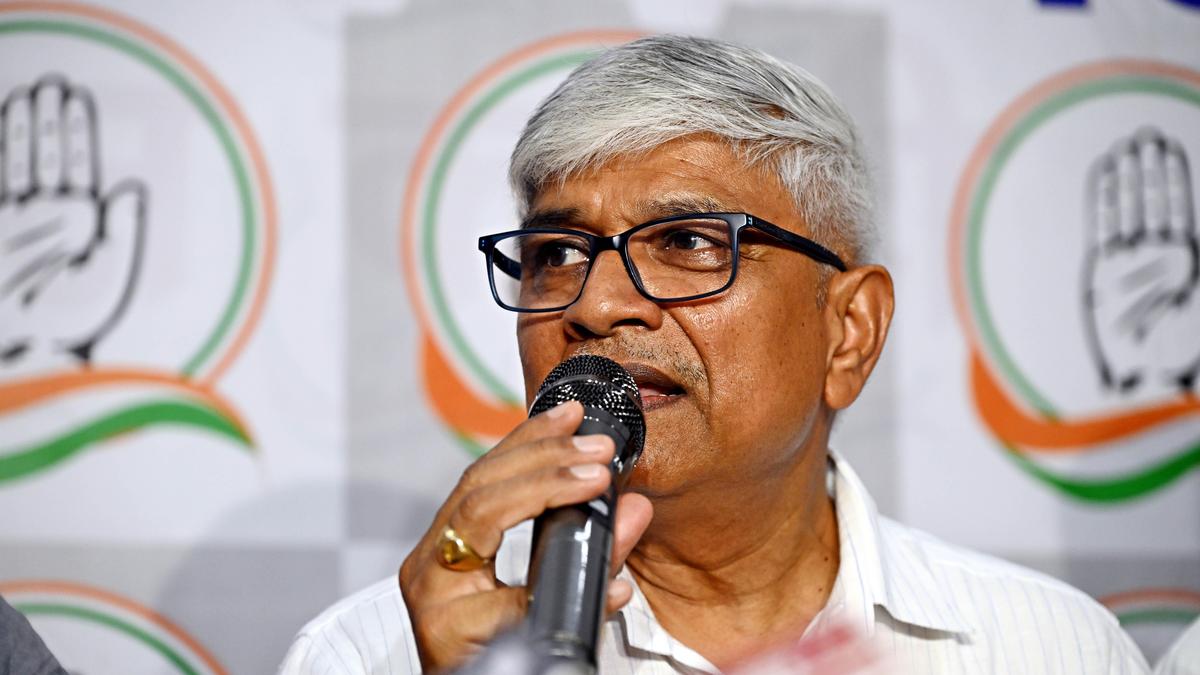
The Samajwadi Party and Congress are engaged in intense negotiations for the 2027 Uttar Pradesh Assembly elections, currently deadlocked over seat-sharing ratios. While SP has proposed 26 seats, Congress is pushing for a larger share, even as Akhilesh Yadav mobilizes party workers to monitor electoral integrity.
The UP Alliance Tug-of-War: SP and Congress Negotiations
The political landscape of Uttar Pradesh is currently defined by the high-stakes seat-sharing negotiations between the Samajwadi Party (SP) and the Congress. As both parties prepare for the 2027 Assembly polls, the process has moved from public posturing to granular, seat-by-seat discussions covering all 403 constituencies. While the dialogue is framed as a collaborative effort, the underlying tension regarding seat quotas remains the primary hurdle to formalizing an alliance.
The Seat-Sharing Impasse
The negotiations hit a significant roadblock when the Samajwadi Party presented an opening offer of 26 seats to the Congress. This figure was promptly rejected by the Congress leadership, who had previously adjusted their own expectations from an initial demand of 181 seats down to a more modest range of 100–120. This discrepancy highlights the conflicting strategic priorities: the SP aims to maintain its dominance as the primary opposition anchor in the state, while Congress seeks a substantial footprint to revive its electoral relevance in the Hindi heartland.
Strategic Realignment and 'Winnability'
Despite the current deadlock, both parties have expressed a commitment to reaching a final agreement within the next two meetings. The discourse has shifted toward the concept of 'winnability,' a metric that both parties are using to justify their claims. By evaluating the social demographics and historical performance of each of the 403 seats, the parties are attempting to move away from rigid numerical bargaining toward a data-driven distribution that maximizes their combined potential against the incumbent government.
Electoral Vigilance and Institutional Skepticism
Parallel to the seat-sharing talks, Akhilesh Yadav has adopted a defensive posture regarding the electoral process. By urging SP workers to monitor the Election Commission of India's (ECI) activities, he is emphasizing the need to prevent the addition of 'bogus votes' and the removal of genuine voters. This directive is coupled with persistent skepticism regarding the credibility of Electronic Voting Machines (EVMs), a narrative that has become a staple in the SP’s outreach strategy to ensure party cadre remains mobilized and vigilant.
Future Trends and Political Stability
The success of these negotiations will likely dictate the strength of the opposition bloc in Uttar Pradesh for the 2027 elections. If the two parties manage to bridge the gap between the 26-seat offer and the 100+ seat demand, it could signal a unified front capable of challenging the ruling party's hegemony. However, if the talks fail, the resulting fragmentation could drastically alter the electoral math, potentially benefiting the incumbent. The coming weeks of 'marathon' parleys will serve as a bellwether for the future of coalition politics in India’s most populous state.
Multiple Citing Sources
Verification Required?