In J&K, two bureaucrats, different paths — one viral controversy
Source Entity
Arun Sharma
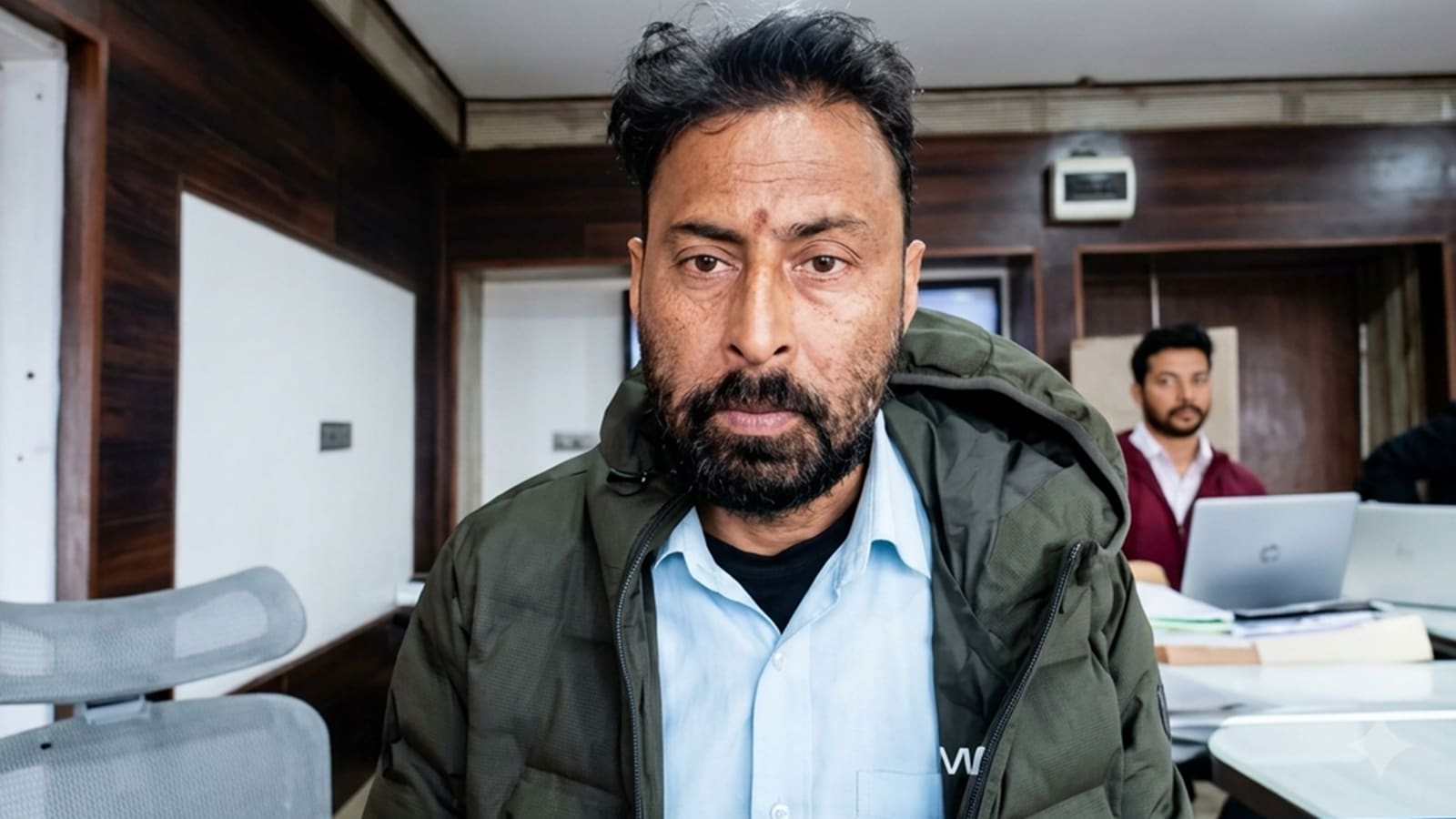
Senior IAS officer Rajeev Ranjan Kumar is facing an official inquiry following a viral video showing him verbally abusing a female KAS officer. This incident adds to his existing legal troubles, including a CBI investigation into a major gun license issuance scandal.
The Intersection of Governance and Conduct in Jammu and Kashmir
Recent reports emerging from Jammu and Kashmir have highlighted a significant controversy involving Rajeev Ranjan Kumar, a 2010-batch IAS officer. The incident, which gained public attention through a viral video, captures a tense review meeting where Ranjan is purportedly seen abusing Beenish Wani, an officer from the Kashmir Administrative Service (KAS). This public display of administrative friction has triggered an official inquiry and prompted the National Commission for Women (NCW) to take suo motu cognisance, signaling a serious institutional response to workplace conduct.
A Pattern of Administrative Scrutiny
For Rajeev Ranjan Kumar, this latest controversy does not exist in a vacuum. It is layered over existing, substantial legal challenges. The officer is currently among those named in a Central Bureau of Investigation (CBI) case regarding the alleged illegal issuance of gun licences between 2012 and 2016. The simultaneous nature of these investigations—one centered on professional behavior and the other on systemic corruption—places the officer at the center of a complex narrative regarding accountability within the bureaucratic hierarchy in the region.
The Human Element and Professional Backgrounds
To understand the gravity of the situation, it is useful to observe the professional backgrounds of the individuals involved. Rajeev Ranjan Kumar, an engineering graduate from B.I.T. Sindri, represents the All-India service cadre, while Beenish Wani, who holds an MSc in Dietetics and Clinical Nutrition from Kashmir University, represents the local administrative service. The clash between these two officials highlights the often-strained dynamics between central and local administrative cadres working within the unique administrative landscape of Jammu and Kashmir.
Institutional Implications
The intervention by the National Commission for Women (NCW) elevates this incident from a local office dispute to a matter of national concern regarding workplace safety and gender equality. When senior bureaucrats are accused of abusive behavior, it undermines public trust in the administrative machinery. The inquiry will likely focus on whether the conduct in the viral video violates the All India Services (Conduct) Rules, which mandate that officers maintain absolute integrity and devotion to duty while treating subordinates with dignity.
Future Trends in Bureaucratic Oversight
This incident serves as a bellwether for increased scrutiny of government officials in the age of digital transparency. As viral media becomes a catalyst for institutional action, high-ranking officers are finding that their conduct behind closed doors is increasingly subject to public review. The outcome of the ongoing inquiry will not only dictate the career trajectory of the officers involved but will also set a precedent for how administrative departments in Jammu and Kashmir handle complaints of harassment and professional misconduct moving forward.
Conclusion
In summary, the controversy surrounding Rajeev Ranjan Kumar is a multi-faceted issue that touches upon historical corruption allegations and contemporary standards of professional behavior. As the inquiry proceeds, the focus will remain on the necessity of maintaining a respectful and lawful work environment, ensuring that those in positions of power are held to the same standards of conduct as the citizens they serve.