J&K to mandate EWS quota in private school entry class
Source Entity
NASEER GANAI
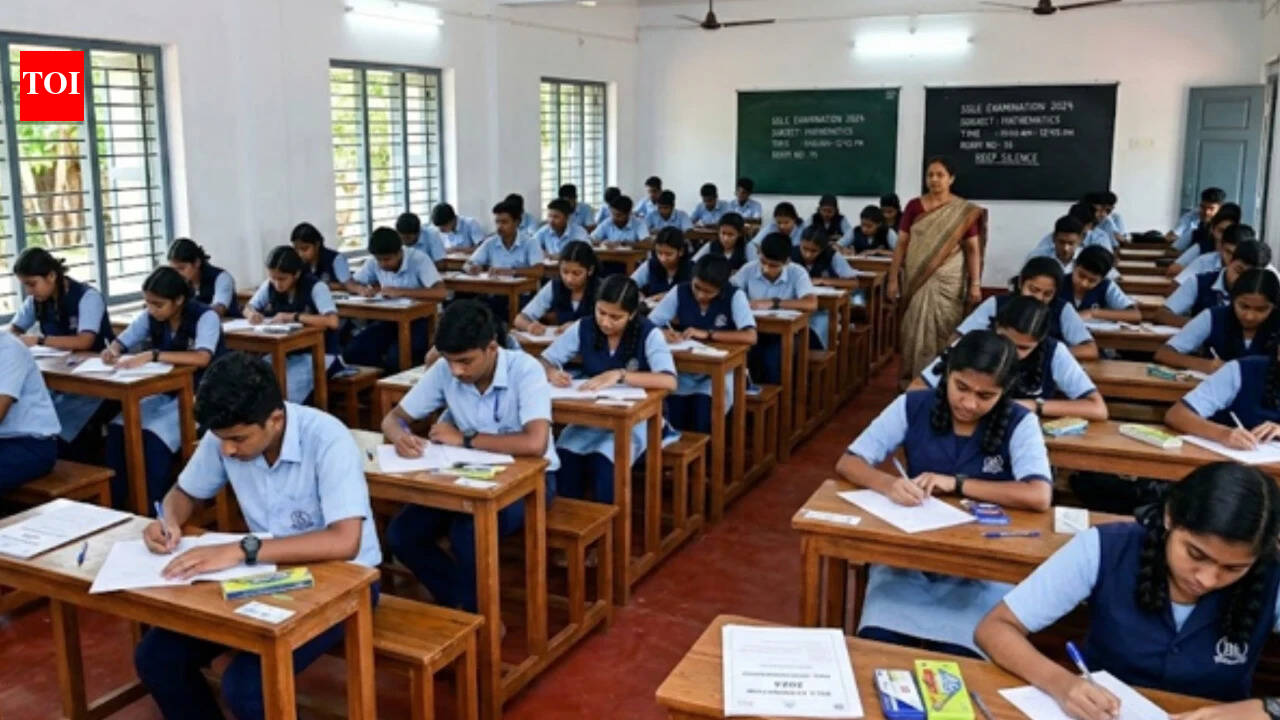
The Jammu and Kashmir government has announced a 25% quota for students from economically weaker sections in entry-level private school classes. This policy aligns the region with the national Right to Education Act to promote inclusive learning.
Bridging the Educational Divide: J&K's New EWS Mandate
A Landmark Policy Shift
The government of Jammu and Kashmir has officially announced a directive to reserve 25% of seats at the entry-level class in private unaided schools for children from economically weaker sections (EWS) and disadvantaged groups. This significant policy shift was confirmed by Education Minister Shamim Firdous following intensive consultations with key stakeholders, including private school associations, parents' groups, and civil society members in Srinagar. By formalizing this mandate, the administration aims to dismantle systemic barriers that have historically limited access to quality private education for marginalized families in the region.
Aligning with National Standards
This initiative serves as a direct implementation of Section 12(1)(c) of the Right of Children to Free and Compulsory Education (RTE) Act, 2009. While the RTE Act has been a cornerstone of national education policy for over a decade, its implementation has faced varied timelines across different Indian states and union territories. By adopting this provision, Jammu and Kashmir is aligning its local regulatory framework with national standards, ensuring that the constitutional right to education is upheld not just in public institutions, but through a collaborative model involving the private sector.
Fostering Social Inclusion
The core objective of this mandate is to promote social integration within the classroom. By ensuring that children from diverse socio-economic backgrounds share the same learning environment, the policy seeks to reduce the stark disparities that often exist between private and public school outcomes. Proponents of this measure argue that early exposure to diverse peer groups fosters empathy, reduces social stratification, and provides underprivileged children with the same academic foundations afforded to their more affluent counterparts.
Navigating Stakeholder Dynamics
The announcement follows a meeting with private school associations, which highlights the administration's intent to navigate the complex relationship between private operators and public policy. The success of this mandate will depend largely on the effective cooperation of these institutions. Private schools often express concerns regarding operational costs and the logistics of implementing quota systems; however, the government’s inclusion of these associations in the dialogue suggests a focus on creating a sustainable framework that balances regulatory compliance with the operational realities of private education.
Future Implications and Outlook
Moving forward, the implementation of this 25% quota is expected to reshape the educational landscape in Jammu and Kashmir. As the government finalizes the specific rules governing this provision, the focus will likely shift toward transparent enrollment processes and the monitoring of compliance. If executed successfully, this policy could serve as a model for enhancing equity in education, potentially increasing the overall literacy and skill attainment levels across the union territory in the coming years.