‘Nonsense’: Ball manufacturer on Joe Root’s comments on changed nature of cherry
Source Entity
Tanishq Vaddi
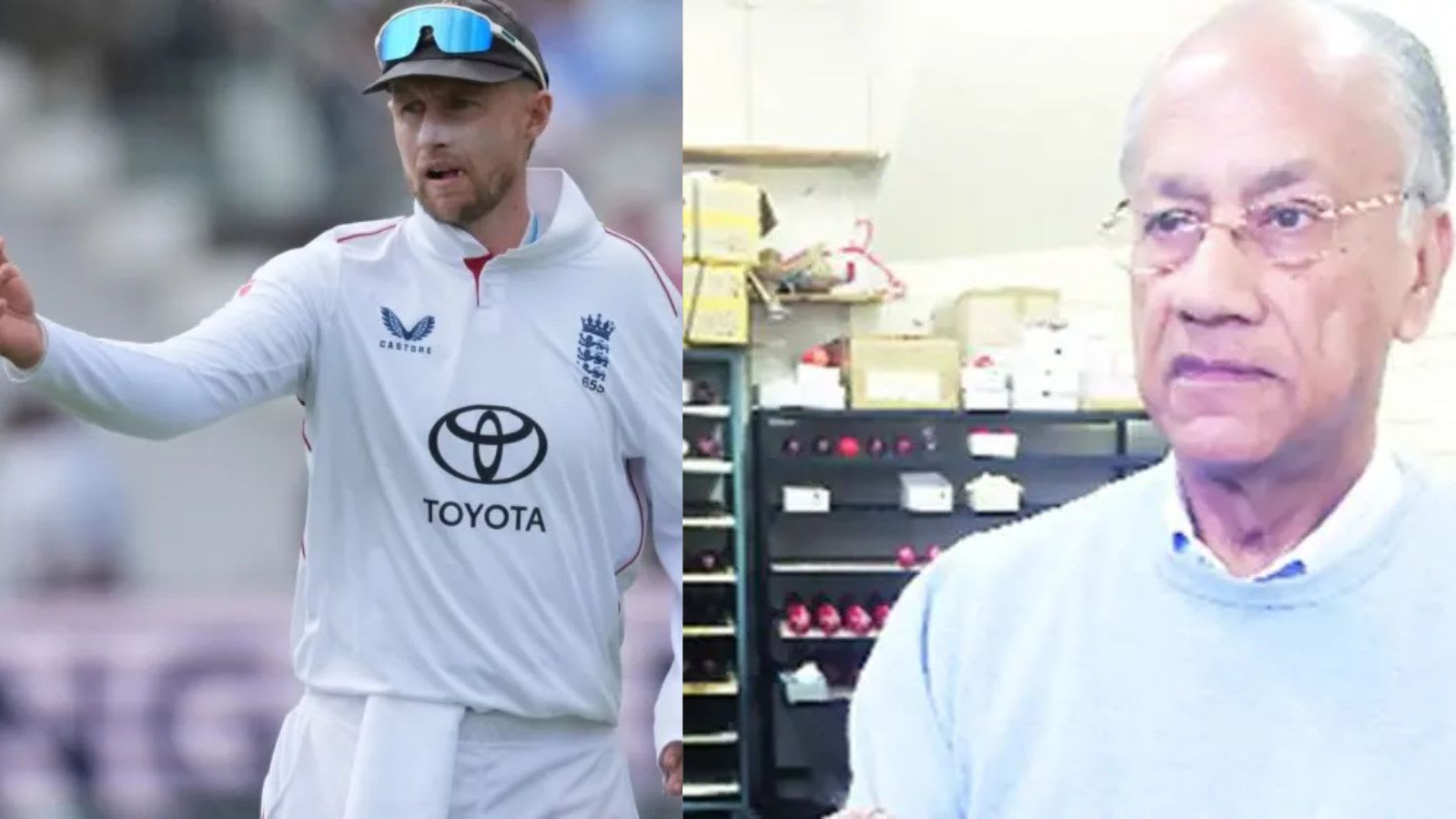
England captain Joe Root claimed that changes in the manufacturing of Dukes cricket balls contributed to his recent LBW dismissals. Manufacturer Dilip Jajodia has dismissed these claims as nonsense, asserting that the production process remains unchanged.
The Controversy Surrounding the Dukes Ball
England captain Joe Root recently ignited a debate regarding the quality and composition of the Dukes cricket ball following his recurring struggles with LBW dismissals. During the second Test against Pakistan at Lord’s, a match characterized by significant seam movement, Root suggested that the ball’s behavior had shifted, specifically pointing to a perceived change in the lacquer applied to the leather. His comments implied that these adjustments were intentional, aimed at preventing the ball from losing its shape prematurely during play.
Manufacturer Rebuttal: A Firm Denial
Dilip Jajodia, the owner of British Cricket Balls Ltd, the firm responsible for the production of the renowned Dukes ball, swiftly and categorically rejected Root’s assertions. Describing the claims as "nonsense," Jajodia emphasized that the manufacturing process has remained consistent and that no alterations have been made to the materials or techniques used. By directly addressing the England captain’s grievances, the manufacturer sought to protect the reputation of their product, which is widely considered the gold standard for Test match cricket in England.
The Technicalities of Cricket Ball Construction
The Dukes ball is celebrated for its prominent, hand-stitched seam, which provides bowlers with distinct advantages, particularly in English conditions where atmospheric humidity often enhances swing. Root’s hypothesis regarding the lacquer suggests he believes the ball is being treated to remain harder for longer, potentially making it more difficult for batters to track the ball's movement or predict its trajectory after pitching. However, Jajodia’s insistence on the consistency of the manufacturing process highlights the subjective nature of batter-ball dynamics at the elite level.
Implications for Test Cricket
This incident underscores the intense scrutiny placed on equipment in professional sports, where marginal differences in gear can significantly impact performance outcomes. For batters like Root, the ability to adjust to varying conditions is paramount; however, when performance dips, the search for external variables often leads to equipment-related theories. The discourse between a high-profile player and a historic manufacturer reflects the high stakes of international Test cricket, where even a slight change in a ball's behavior can dictate the outcome of a series.
Looking Forward: Maintaining Integrity
Moving forward, the relationship between players and equipment manufacturers will likely continue to face challenges as technology and quality control standards evolve. While players will naturally seek to understand the factors affecting their dismissals, manufacturers like British Cricket Balls Ltd remain committed to the traditional methods that have defined the sport for decades. This public disagreement serves as a reminder of the delicate balance between player perception and the objective reality of sports manufacturing standards.