The UK cuts energy bills, taxes banks and boosts defense in high-stakes budget
Source Entity
US Top News and Analysis
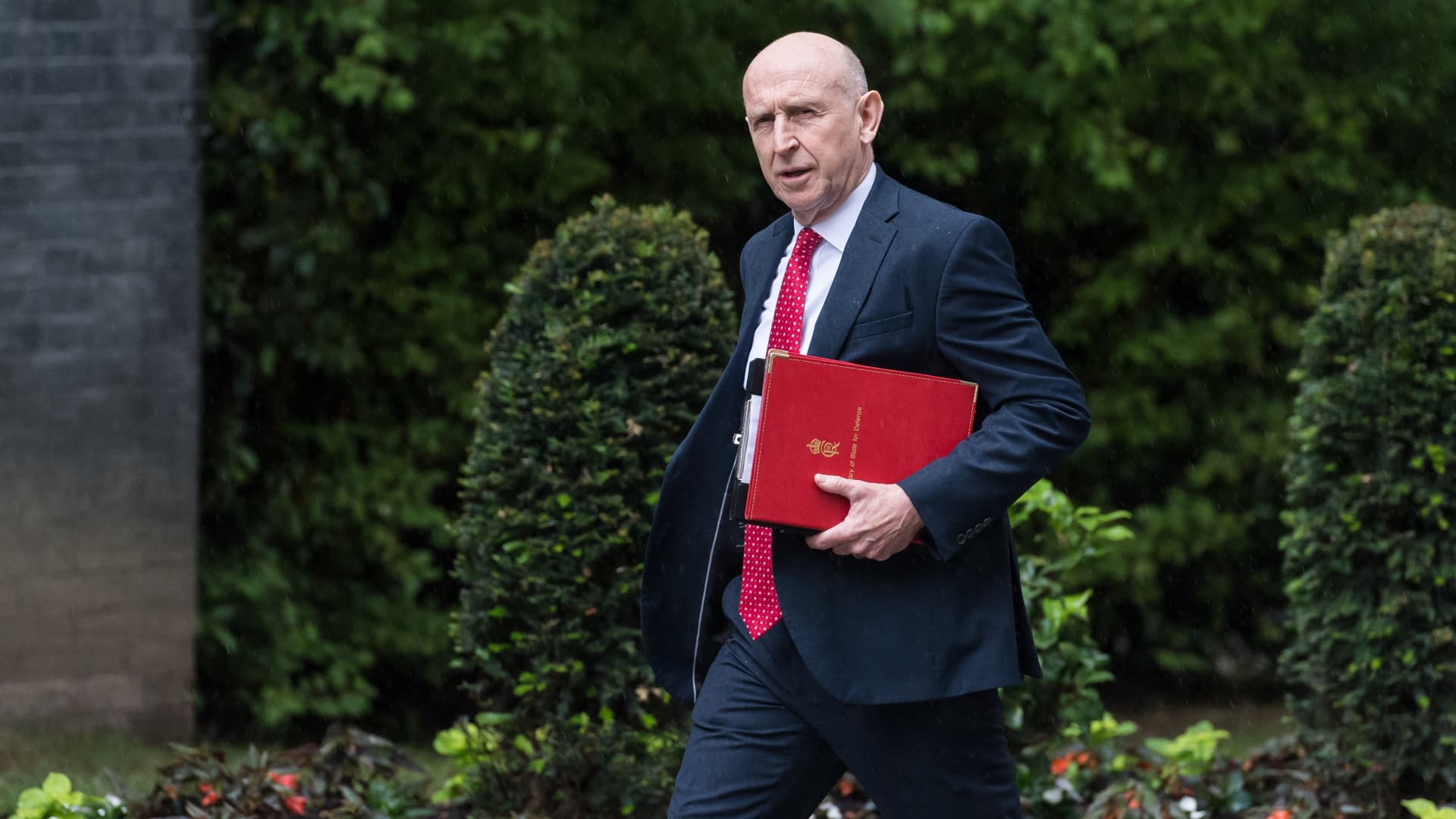
Chancellor John Healey is set to deliver his first Budget, balancing ambitious government promises against severe economic constraints. Key measures include a one-off £100 energy payment for specific households, funded by increased taxes on banks.
The Balancing Act: Healey's First Budget
As Chancellor John Healey prepares to deliver his first Budget on October 28, the UK government faces a pivotal moment. With Prime Minister Andy Burnham describing this period as the most significant political shift in 40 years, the administration is under immense pressure to reconcile high-reaching policy ambitions with the stark reality of the current economic climate. The Chancellor has been clear that the fiscal flexibility enjoyed by previous administrations is absent, leaving the government to navigate a narrow path of fiscal responsibility.
Navigating Economic Constraints
The Institute for Fiscal Studies (IFS) has highlighted that the government is operating under a complex web of constraints. Some of these are self-imposed, reflecting a commitment to fiscal discipline, while others are external pressures, such as the ongoing volatility caused by conflict in the Middle East. These global factors have exacerbated the cost-of-living crisis, forcing the government to prioritize immediate relief for households while attempting to manage the long-term health of the national economy.
Targeted Relief for Households
A centerpiece of the upcoming announcement is the introduction of a one-off £100 "Household Energy Payment" for those living in council tax bands A to D in England. This measure is a direct response to the forecasted surge in energy bills, which are expected to exceed £2,000 per year under the Ofgem price cap. By providing this relief directly into bank accounts, the government aims to offer "breathing space" to those most vulnerable to energy price volatility.
Funding the Future
To finance these support measures, the Chancellor has signaled that he is willing to implement tax increases, specifically targeting banks. This strategy reflects a broader move to redistribute the burden of fiscal support, ensuring that those with greater resources contribute to the stabilization of household finances. While the government has maintained a high level of secrecy regarding the full scope of the Budget, this "tight ship" approach suggests a carefully orchestrated plan to manage public expectations.
Devolution and Regional Equity
Beyond immediate cost-of-living relief, the Budget is expected to include significant announcements regarding devolution. The government recognizes that the challenges facing the UK are not uniform, and as such, administrations in Scotland, Wales, and Northern Ireland will receive equivalent funding to the energy payments provided in England. This ensures that the devolved nations maintain the autonomy to decide whether to mirror the UK government’s specific support mechanisms or tailor their approach to local needs.
Conclusion: A Defining Moment
The upcoming Budget represents a critical test for the partnership between Prime Minister Burnham and Chancellor Healey. By combining direct financial intervention with structural tax adjustments, the government is attempting to honor its core promises while acknowledging that Britain faces a harder economic reality than in previous decades. The success of these measures will likely define the government’s credibility and its ability to steer the nation through a period of significant global and domestic instability.
Multiple Citing Sources