Judge Who Awarded 23 Death Sentences In 6 Months Transferred To UP Family Court
Source Entity
NDTV News Search Records Found 1000
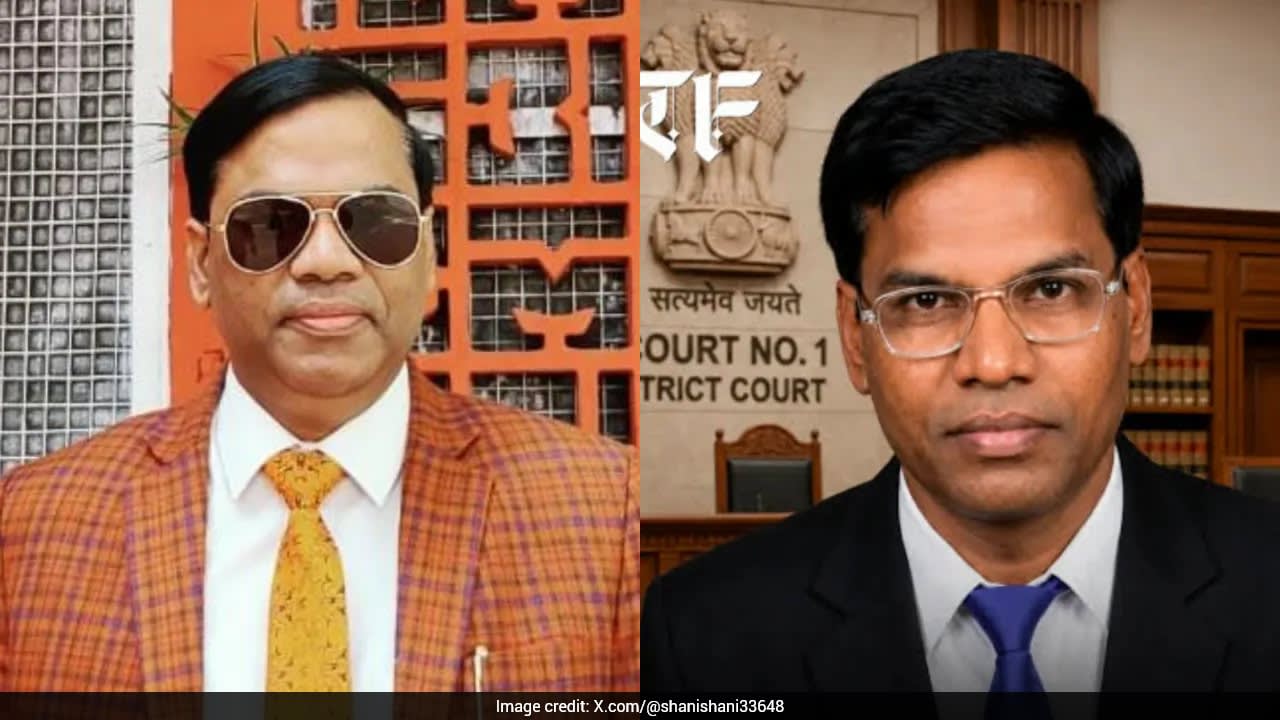
Judge Ravi Kumar Diwakar, known for presiding over a high volume of death penalty cases, has been transferred to a family court in Uttar Pradesh. His tenure was marked by significant controversy, including threats related to high-profile litigation and questions regarding administrative practices.
Judicial Transition Amidst Controversy: The Case of Judge Ravi Kumar Diwakar
The recent administrative transfer of Judge Ravi Kumar Diwakar from his position at a fast-track court to a family court has ignited a significant public and legal discourse. Known for an exceptionally high volume of capital punishment rulings—with reports citing between 23 and 36 death sentences issued within a period ranging from six to sixteen months—Diwakar’s judicial tenure was marked by both high-profile productivity and intense scrutiny. This move, while standard in administrative rotations, occurs against a backdrop of complex legal challenges and personal security concerns that have defined his recent career.
A Tenure Defined by High-Stakes Litigation
Judge Diwakar’s time on the bench in Muzaffarnagar was characterized by his involvement in cases that resonated deeply within the public consciousness. Perhaps most notably, he presided over cases involving heinous crimes, such as the brutal conviction of a husband who burned his wife to death. These rulings underscored a firm stance on capital punishment, yet they also placed him at the center of intense administrative and public attention. His judicial approach, particularly the rapid processing of cases, became a focal point for observers evaluating the efficacy and speed of the fast-track court system in India.
Security Concerns and High-Profile Sensitivity
Beyond the sentencing statistics, Judge Diwakar’s career has been punctuated by significant personal risk. He previously gained national prominence for his role in presiding over a sensitive mosque survey case, a legal matter that carried substantial socio-political weight. Following his involvement in this litigation, the judge reported receiving explicit threats to his safety. These security challenges highlighted the inherent dangers often faced by the judiciary when handling matters that intersect with deeply held communal sentiments, further complicating the environment in which he operated.
Administrative Authority and Procedural Scrutiny
During his tenure, the judge’s administrative decisions—specifically the recalling of numerous pending cases—raised critical questions within the legal fraternity. While judges possess the authority to manage their dockets, the scale and frequency of these recalls drew attention to the balance between judicial discretion and procedural consistency. This aspect of his work has become a critical lens through which legal experts evaluate the broader implications of his transfer, questioning whether the move is a routine administrative function or a response to the procedural debates surrounding his court.
Broader Implications for the Judicial System
The transfer of a judge who has presided over such a high frequency of capital cases to a family court signifies a major shift in his judicial focus. Family courts operate under a vastly different mandate, centering on mediation, domestic welfare, and civil disputes rather than the adversarial and often punitive nature of criminal fast-track courts. This transition invites a broader conversation about how the Indian judicial system manages judges who have been at the center of high-pressure, high-risk litigation, and whether such reassignments serve as a cooling-off period or a standard career evolution.
Conclusion: Assessing the Future of Judicial Oversight
As Judge Diwakar moves to his new role, the legacy of his fast-track court tenure remains a subject of intense debate. His career trajectory illustrates the multifaceted pressures on the Indian judiciary, where individual judges must navigate severe security threats, high-profile social controversies, and the relentless pressure of clearing massive case backlogs. Moving forward, the impact of his past rulings and administrative practices will likely continue to influence discussions regarding judicial conduct, the application of the death penalty, and the administrative mechanisms that govern judicial transfers in the state of Uttar Pradesh.
Verification Required?