‘TMC leader’s lawyer tried to see bail case record in my chamber’: Calcutta High Court judge recuses
Source Entity
Somya Tyagi
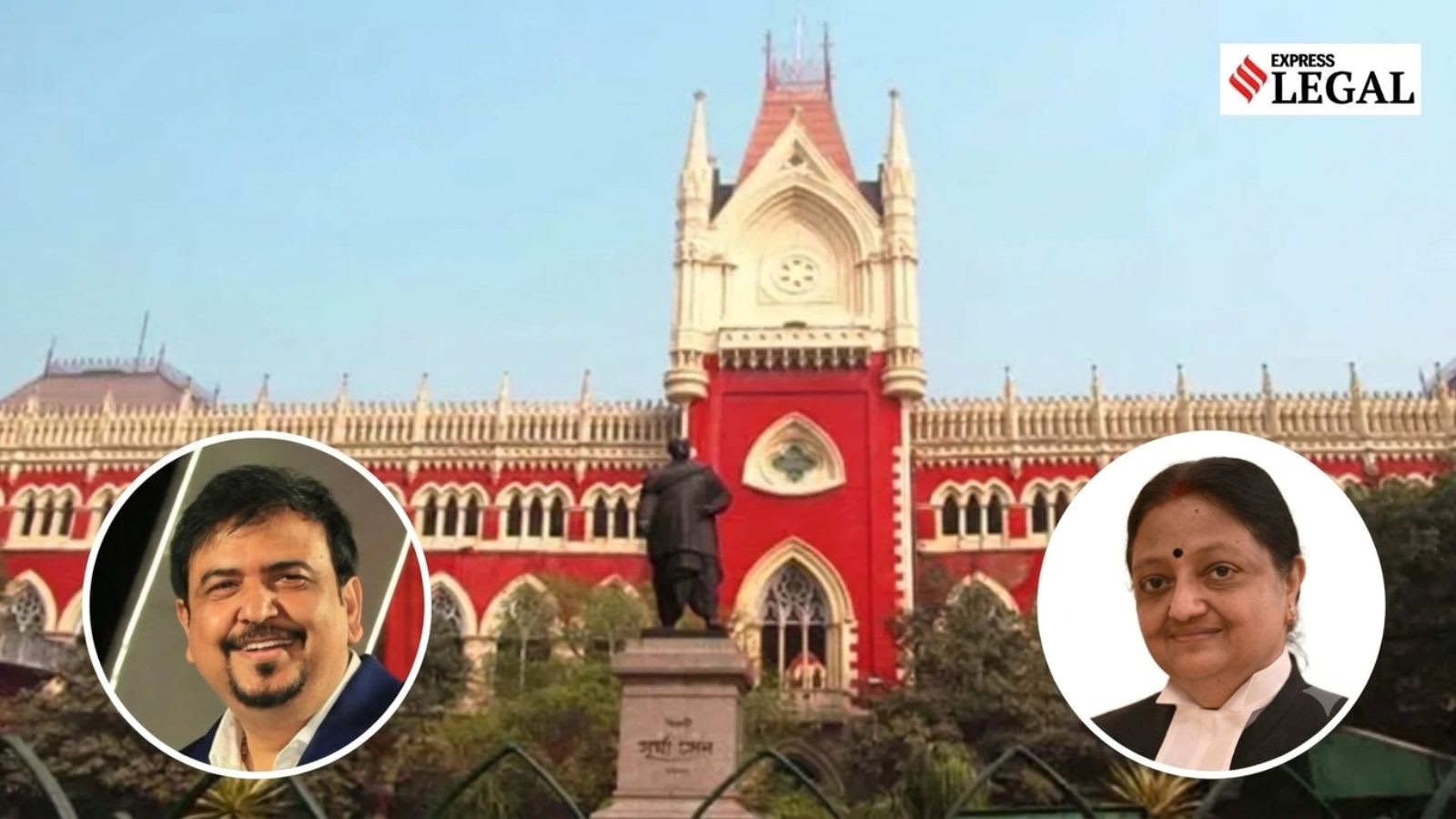
Calcutta High Court Justice Suvra Ghosh has recused herself from a TMC leader's bail case following alleged record tampering attempts. Meanwhile, the Supreme Court has reduced the mandatory legal practice requirement for judicial exams to one year, while the Andhra Pradesh High Court warned against 'bench hunting'.
Judicial Integrity and Procedural Reforms in the Indian Judiciary
Recent developments within the Indian judicial landscape have highlighted the delicate balance between maintaining institutional integrity and evolving procedural standards. The most striking of these events occurred at the Calcutta High Court, where Justice Suvra Ghosh recused herself from the bail proceedings of TMC leader Sujit Bose. The judge reported an alarming incident in which the petitioner’s counsel allegedly colluded with her private secretary to access confidential case records inside her private chamber.
The Erosion of Judicial Secrecy
Justice Ghosh’s decision to recuse herself underscores the gravity of the breach. By noting that the conduct “smells of an oblique motive,” the court has signaled that any attempt to bypass established administrative protocols for case handling constitutes a direct threat to the sanctity of the judiciary. This incident serves as a reminder that the physical security of judicial chambers and the integrity of administrative staff are as critical to the rule of law as the courtroom proceedings themselves.
Curbing 'Bench Hunting' and Forum Shopping
Simultaneously, the Andhra Pradesh High Court has taken a firm stance against the increasingly common practice of 'bench hunting' and 'forum shopping.' By dismissing a plea for recusal based on alleged personal differences between a counsel and a judge, the court reaffirmed that judicial assignments cannot be dictated by the whims of litigants. This ruling serves as a vital safeguard for judicial independence, ensuring that parties cannot manipulate the system to seek favorable outcomes by selecting specific judges.
Evolution of Judicial Entry Requirements
In a separate but equally significant move, the Supreme Court of India has modified its previous stance regarding the entry-level judicial service examinations. The court has reduced the mandatory legal practice requirement from three years to one year for exams held between May 2025 and March 2027. This shift reflects a strategic attempt to widen the talent pool for the judiciary while simultaneously compensating for reduced initial experience through a rigorous, mandatory one-year training period and a subsequent year of structured clerkship.
Synthesizing the Broader Implications
When viewed together, these events illustrate a judiciary in transition. The Supreme Court is actively lowering barriers to entry to revitalize the bench, while the High Courts are simultaneously tightening the rules regarding professional conduct and case management. These efforts collectively aim to bolster public confidence in the legal system, which is frequently tested by incidents of alleged interference or strategic litigation.
Future Trends and Judicial Stability
Moving forward, the judiciary will likely continue to rely on technology and stricter administrative protocols to prevent unauthorized access to case files. The 2:1 split decision by the Supreme Court on the experience requirement suggests that while there is a drive for modernization, it remains a subject of intense internal debate. Ultimately, the success of these reforms will depend on the judiciary's ability to maintain a transparent, meritocratic, and secure environment that resists external influence.