Teacher accused of ‘pushing’ disabled child gets relief, court cites ‘working woman’
Source Entity
Somya Panwar
The Patna High Court denied anticipatory bail to a daughter and grandson accused of misappropriating an elderly woman's pension, while the Calcutta High Court granted bail to a teacher accused of assaulting a child. These cases highlight the judiciary's varying approach to bail based on the nature of the alleged offense and the vulnerability of the victims.
Judicial Discretion and Bail Trends in Indian High Courts
Recent rulings from the Patna and Calcutta High Courts underscore the complex judicial landscape regarding anticipatory bail in India. While the judiciary maintains a consistent focus on the specifics of each case, the outcomes demonstrate that the nature of the alleged offense and the vulnerability of the victim play a decisive role in whether relief is granted or denied.
The Breach of Trust in Patna
The Patna High Court’s decision to deny anticipatory bail to a daughter and grandson accused of misappropriating Rs 14 lakh from an elderly woman highlights a growing concern over the exploitation of vulnerable seniors. By taking the woman under the guise of a pilgrimage, the accused allegedly orchestrated a financial betrayal. Justice Rajiv Roy’s emphasis on the "breach of faith" reflects a judicial stance that protects those who are dependent on limited fixed incomes, such as a late husband's pension, from familial exploitation.
Balancing Employment and Legal Accountability
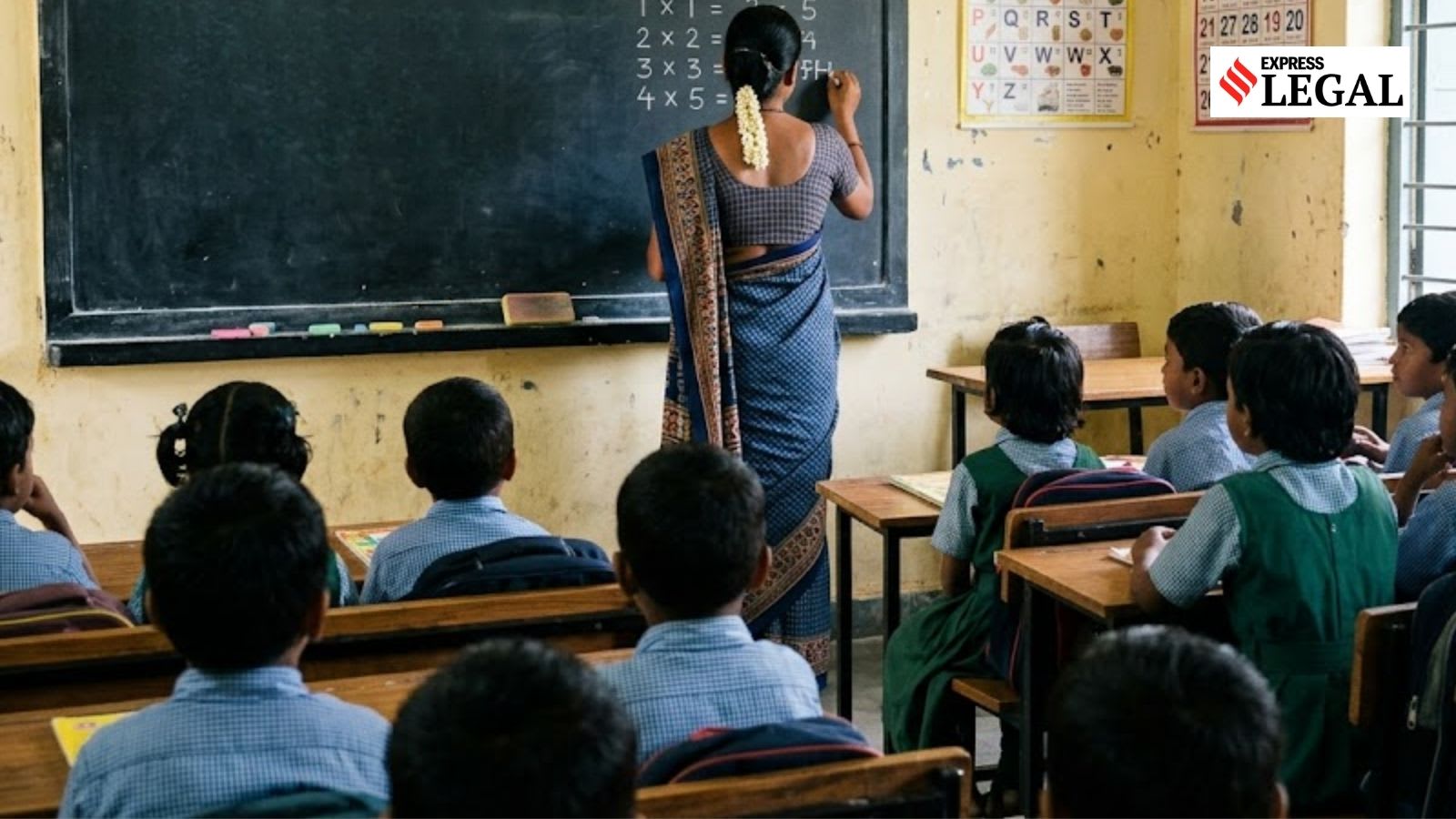
Conversely, the Calcutta High Court’s decision to grant bail to a teacher accused of assaulting a disabled child and the child’s mother presents a different legal framework. The court’s consideration of the petitioner’s status as a 'working woman' suggests a pragmatic approach to bail, provided the accused cooperates with the investigation. This decision highlights the court's prerogative to weigh personal circumstances against the severity of the allegations, ensuring that professional standing does not equate to immunity but may influence bail conditions.
The Role of Vulnerability in Sentencing
These cases emphasize the distinction between domestic financial exploitation and physical altercations. In the Patna case, the victim's total reliance on the accused for day-to-day needs creates a power imbalance that the court identified as a critical factor in rejecting the bail plea. The court’s refusal to grant relief signals a firm stance against the victimization of the elderly within the domestic sphere.
Legal Precedent and Future Implications
These rulings serve as a reminder that anticipatory bail is a discretionary power exercised by the courts. The divergence in outcomes—where one set of petitioners faces continued legal scrutiny and the other receives conditional relief—highlights that the judiciary does not view all offenses with equal weight. As these cases proceed, they reinforce the importance of evidence-based adjudication in protecting the rights of vulnerable citizens while ensuring that the legal process remains accessible to those accused of crimes.
Conclusion
Ultimately, these two cases illustrate the nuanced role of Indian High Courts in balancing individual liberty with the protection of victims. Whether it is addressing the financial abuse of the elderly or managing allegations of physical assault, the courts continue to prioritize the specific circumstances of the victim and the integrity of the investigative process to reach their conclusions.