Inflation Ran a Little Hotter Than Expected in July
Source Entity
Yahoo Finance
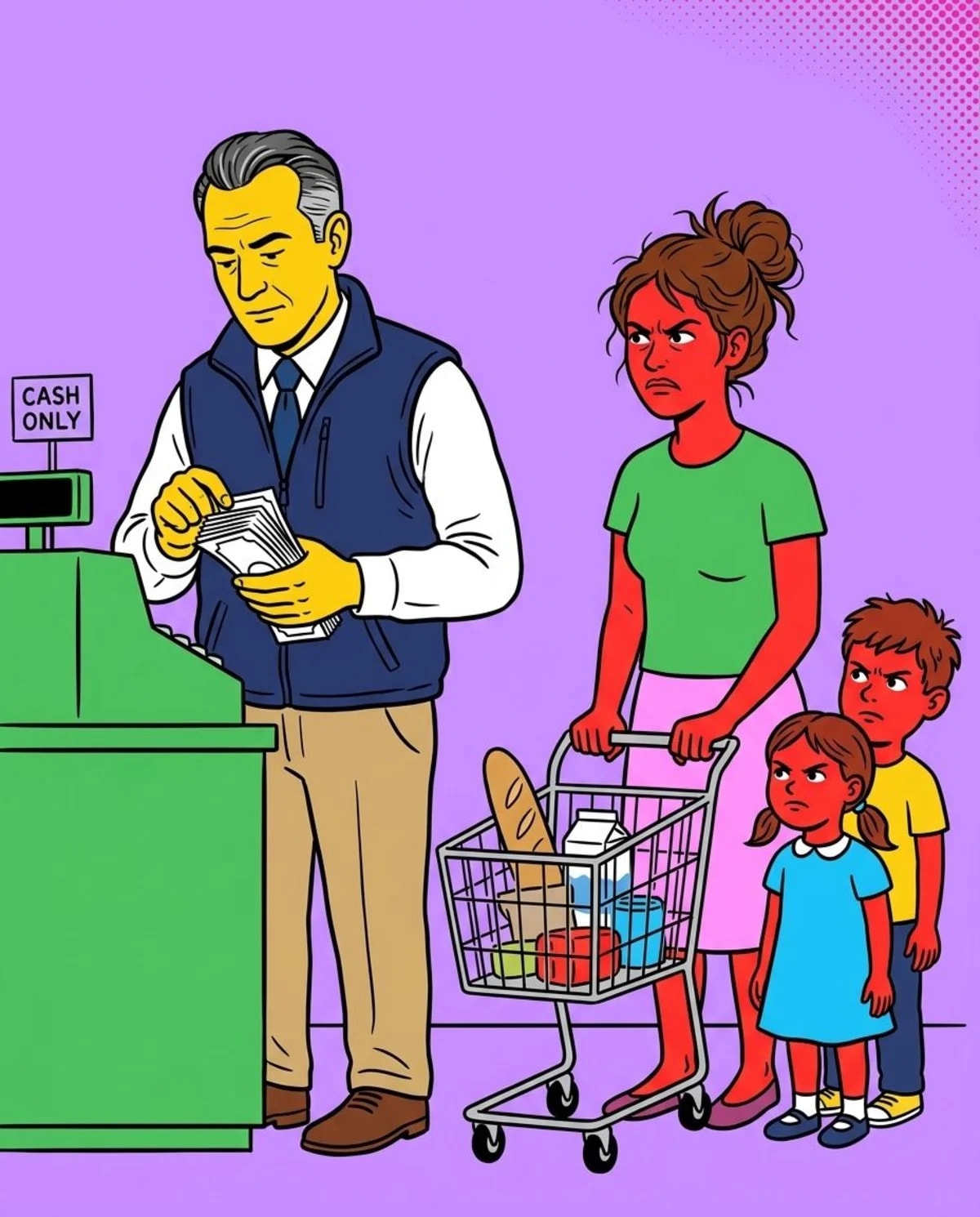
July's inflation report slightly exceeded expectations, driven primarily by rising costs in the financial services and insurance sectors. Despite this, goods prices fell, reflecting a resilient consumer and effective price restraint in manufacturing sectors.
July Inflation Report: A Nuanced Economic Snapshot
The Inflationary Landscape
The recent report for July indicates that inflation has tracked slightly higher than market expectations. While this news has caused ripples across Wall Street, the data presents a complex picture that defies simple categorization. Rather than a broad-based surge in prices, the inflationary pressure is localized, suggesting that the broader economy is behaving differently than traditional models might predict.
Goods Deflation and Price Restraint
One of the most noteworthy aspects of the July data is the performance of the goods sector. Despite the ongoing presence of tariffs reaching up to 50% on essential industrial inputs like steel, aluminum, and automobiles, goods prices actually declined by 0.1% for the month. This demonstrates a significant degree of price restraint within the supply chain, indicating that manufacturers and retailers are absorbing costs or optimizing operations to shield consumers from the full brunt of trade barriers.
The Impact of Specific Consumer Categories
While industrial goods showed deflationary trends, the headline numbers were nudged upward by specific service categories. Gas prices fell by 2.7%, and furniture and appliances saw a decrease of 0.9%, providing relief to household budgets. However, these gains were neutralized by sharp increases in the financial services and insurance sectors, which rose by 1.2%. This sector was identified as the single largest mover in the report, acting as the primary catalyst for the "hotter than expected" inflation figure.
Consumer Resilience and Market Expectations
Wall Street’s reaction to the data highlights a disconnect between market expectations and current consumer behavior. The American consumer continues to exhibit resilience, maintaining spending patterns even as the cost of specific services fluctuates. The market's surprise at the July figures reflects a tendency for analysts to focus on aggregate numbers rather than the structural shifts occurring within the insurance and financial services industries.
Broader Economic Implications
The divergence between falling goods prices and rising services costs poses a challenge for future monetary policy. If the inflation in financial services and insurance proves to be persistent, it could complicate the outlook for interest rates, regardless of the deflationary trends seen in tangible goods. As it stands, the July report serves as a reminder that the path toward price stability is rarely linear and is often influenced by non-traditional sectors of the economy.
Concluding Summary
In conclusion, the July inflation report is a testament to the shifting dynamics of the post-pandemic economy. While goods prices are showing remarkable stability in the face of tariff-related pressures, the rising cost of services remains a significant hurdle. Investors and policymakers will need to look beyond the headline figures to understand how the service-heavy nature of the modern economy is influencing long-term inflationary trends.