‘We can value a person’s candour’: Justice Vikram Nath on retired Supreme Court judge Sanjay Kaul’s book
Source Entity
The Indian Express
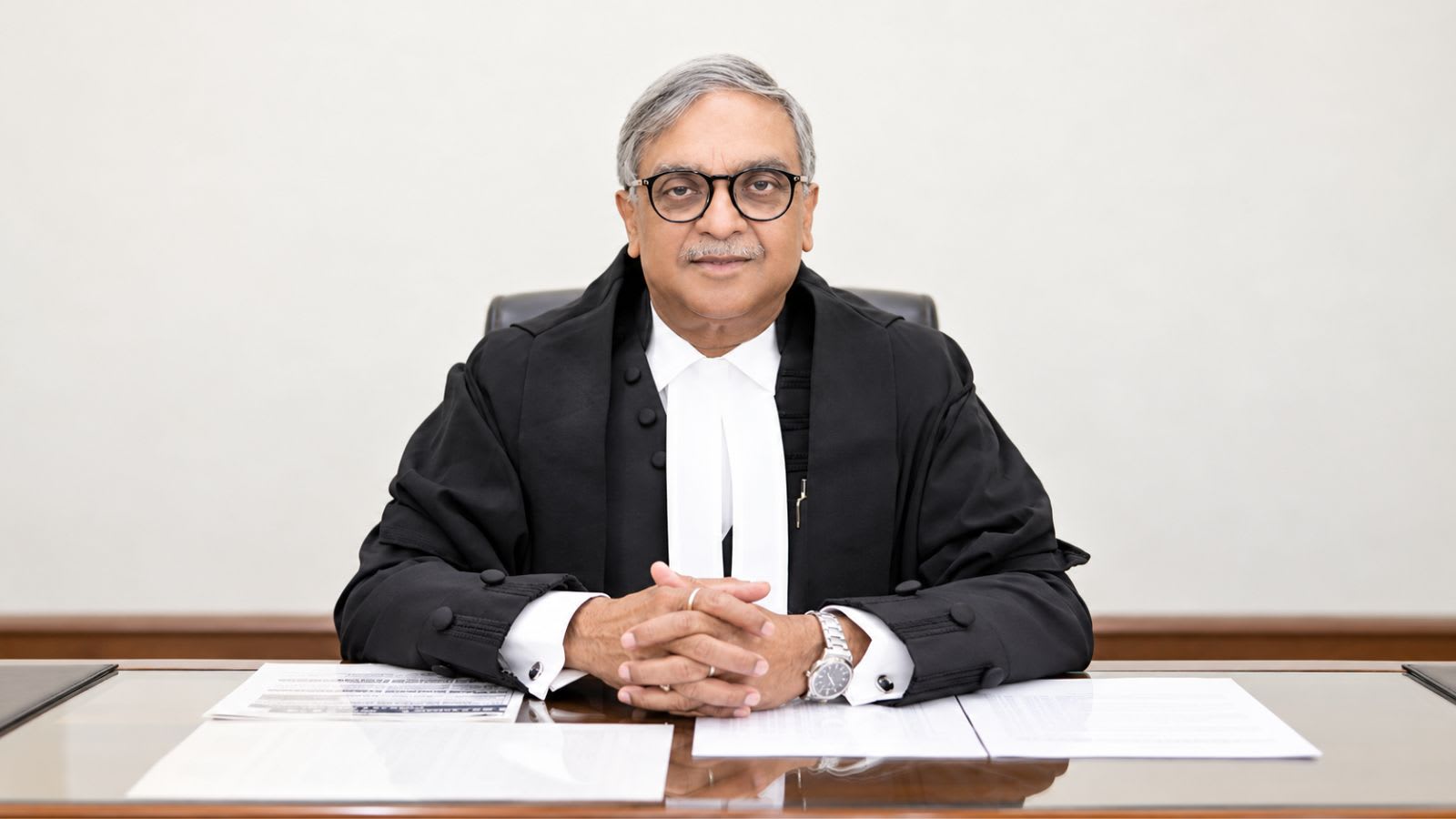
Supreme Court Justice Vikram Nath praised the candid nature of Justice Sanjay Kishan Kaul’s new memoir while maintaining professional neutrality regarding its claims. Meanwhile, the legal fraternity prepares for the retirement of Jharkhand High Court Chief Justice M.S. Sonak, noted for his integrity and assertive judicial tenure.
Judicial Transparency and the Memoir Debate
The recent launch of former Supreme Court judge Sanjay Kishan Kaul’s memoir, Without Fear or Favour, has sparked significant discourse within India’s legal corridors. At the launch event held at the India International Centre, sitting Supreme Court Justice Vikram Nath offered a nuanced perspective on the work. He lauded the "candour" required to author such a memoir, noting that writing with honesty while the subjects of one's observations remain active in the professional sphere is a formidable task. However, Justice Nath was careful to maintain judicial decorum, explicitly stating that he would neither endorse nor disagree with the contents of the book, humorously remarking that he did not wish to turn the event into "another hearing."
The Collegium and Institutional Accountability
The central tension surrounding Justice Kaul’s memoir lies in its frank discussion of the Supreme Court Collegium. The book specifically addresses his disagreements with former Chief Justice of India (CJI) D.Y. Chandrachud, particularly regarding appointment processes and the extent of the government’s influence on judicial selections. By engaging with these sensitive internal dynamics, Kaul has brought questions of judicial transparency to the forefront. Justice Nath’s commentary reflects a broader institutional challenge: balancing the individual judge's freedom to speak and question with the collective responsibility of maintaining the dignity and stability of the judiciary.
Protecting the Freedom to Differ
Justice Nath’s remarks emphasized that the legal community must be a space where individuals can value a person’s candour while simultaneously reserving the right to differ. This assertion underscores the democratic nature of the judiciary, where dissenting opinions are not merely allowed but are essential to the evolution of legal thought. By framing the "freedom to speak and to question" as a protected value, Nath reinforces the idea that an open exchange of ideas—even when controversial—is vital for the long-term health of the institution.
Transition and Legacy: The Retirement of Justice M.S. Sonak
While the national discourse focuses on the Supreme Court’s internal dynamics, the legal landscape is also witnessing significant transitions in the High Courts. Jharkhand High Court Chief Justice M.S. Sonak is set to retire on November 27, marking the end of a 13-year judicial career. Known for his "quiet yet assertive" demeanor, Justice Sonak’s legacy is defined by his unwavering commitment to judicial independence and professional integrity.
A Standard of Judicial Integrity
Reflecting on his tenure, former Bombay High Court colleague Justice V.M. Kanade shared a poignant anecdote illustrating Sonak’s character. When confronted with lawyers attempting to disparage a colleague, Justice Sonak firmly defended the decorum of the court, refusing to be swayed by threats or pressure. This story serves as a testament to the quiet, principled leadership that characterizes many of India's respected jurists. As Justice Sonak steps down, his career serves as a reminder that the strength of the judiciary rests not only on high-profile debates over appointments but also on the day-to-day integrity of individual judges in their chambers and courtrooms.
Concluding Observations
The intersection of these events highlights a critical period for the Indian judiciary. Whether through the public introspection prompted by Justice Kaul’s memoir or the honorable completion of service by figures like Justice Sonak, the institution is currently navigating a period of transition. The ability of the judiciary to survive these internal debates while maintaining a standard of conduct that earns public trust remains a defining trend for the coming years.
Multiple Citing Sources