'Queen' Kaitlan Collins smiles and claps back after Trump's WHCD jab; Dylan Mulvaney backs her up
Source Entity
Latest News: Todays Latest News Headlines from India & World | Hindustan Times | Hindustan Times
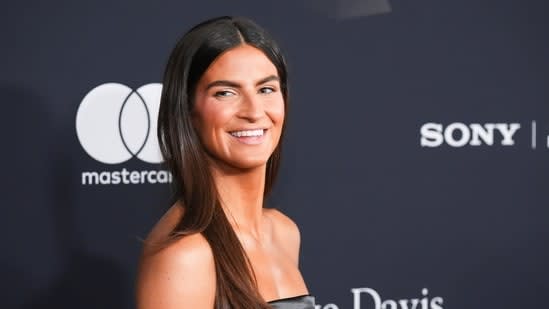
CNN's Kaitlan Collins responded to personal jabs made by President Trump during the White House Correspondents' Dinner. Collins noted the audience's discomfort during the remarks, while influencer Dylan Mulvaney publicly supported her.
The WHCD Confrontation: A Decade of Tension
The White House Correspondents’ Dinner (WHCD) has long served as a venue for lighthearted ribbing between the executive branch and the press corps. However, the recent event involving President Donald Trump and CNN chief White House correspondent Kaitlan Collins highlights a deepening rift. During the rescheduled dinner, President Trump singled out Collins, utilizing the platform to criticize her reporting and CNN, while infamously suggesting she should “smile more” and drawing a comparison to transgender influencer Dylan Mulvaney.
The Anatomy of the Exchange
Kaitlan Collins, a veteran of the White House beat, did not shy away from the confrontation. In a subsequent appearance on The Daily Show, she expressed that she was “not surprised” by the President’s remarks, characterizing them as consistent with the adversarial interactions she has navigated while covering him for nearly a decade. She specifically noted being “struck by how quiet the room was” during the President’s segment, suggesting that the audience perceived the comments not as standard comedic fare, but as pointed, personal attacks.
Solidarity and Public Reaction
The inclusion of Dylan Mulvaney in the President’s rhetoric was a calculated attempt to stir cultural controversy. Rather than remaining a passive subject of the comparison, Mulvaney publicly backed Collins, framing the situation as an unnecessary targeting of a journalist. This support underscores the intersection of political media coverage and the modern influencer landscape, where public figures are increasingly willing to push back against executive rhetoric that seeks to marginalize or stereotype them.
Media-Executive Relations in the Modern Era
This incident is not an isolated event but rather a continuation of the friction that has defined the relationship between the Trump administration and mainstream media outlets like CNN. By questioning the legitimacy of an award Collins received for her reporting, the President signaled a broader strategy of delegitimizing journalists who produce critical coverage. Historically, the WHCD has acted as a pressure valve for political tensions; however, when the President uses this stage to launch personal attacks, it fundamentally alters the event's purpose, often leading to a chilling effect on the press corps.
Implications for Future Coverage
The long-term implications of such exchanges are significant for the health of democratic discourse. When the highest office in the land targets individual reporters, it risks emboldening supporters to harass those journalists, potentially hindering their ability to perform their duties. Collins’ composed response suggests a shift in how journalists are preparing to handle these moments—with a focus on professional stoicism rather than defensive escalation.
Conclusion: A Shift in Political Norms
As we look toward the future, the dynamic between the White House and the press appears to be growing increasingly polarized. The silence noted by Collins in the room suggests that while the President maintains his base of support, his attempts to use the WHCD for personal vendettas may be losing their luster even among the traditional political elite. The resilience shown by Collins and the vocal support from figures like Mulvaney indicate that journalists and public commentators are increasingly comfortable challenging the narrative frames imposed upon them by executive power.
Verification Required?