Trump administration asks Supreme Court to intervene to allow mail-in voting restrictions
Source Entity
US Top News and Analysis
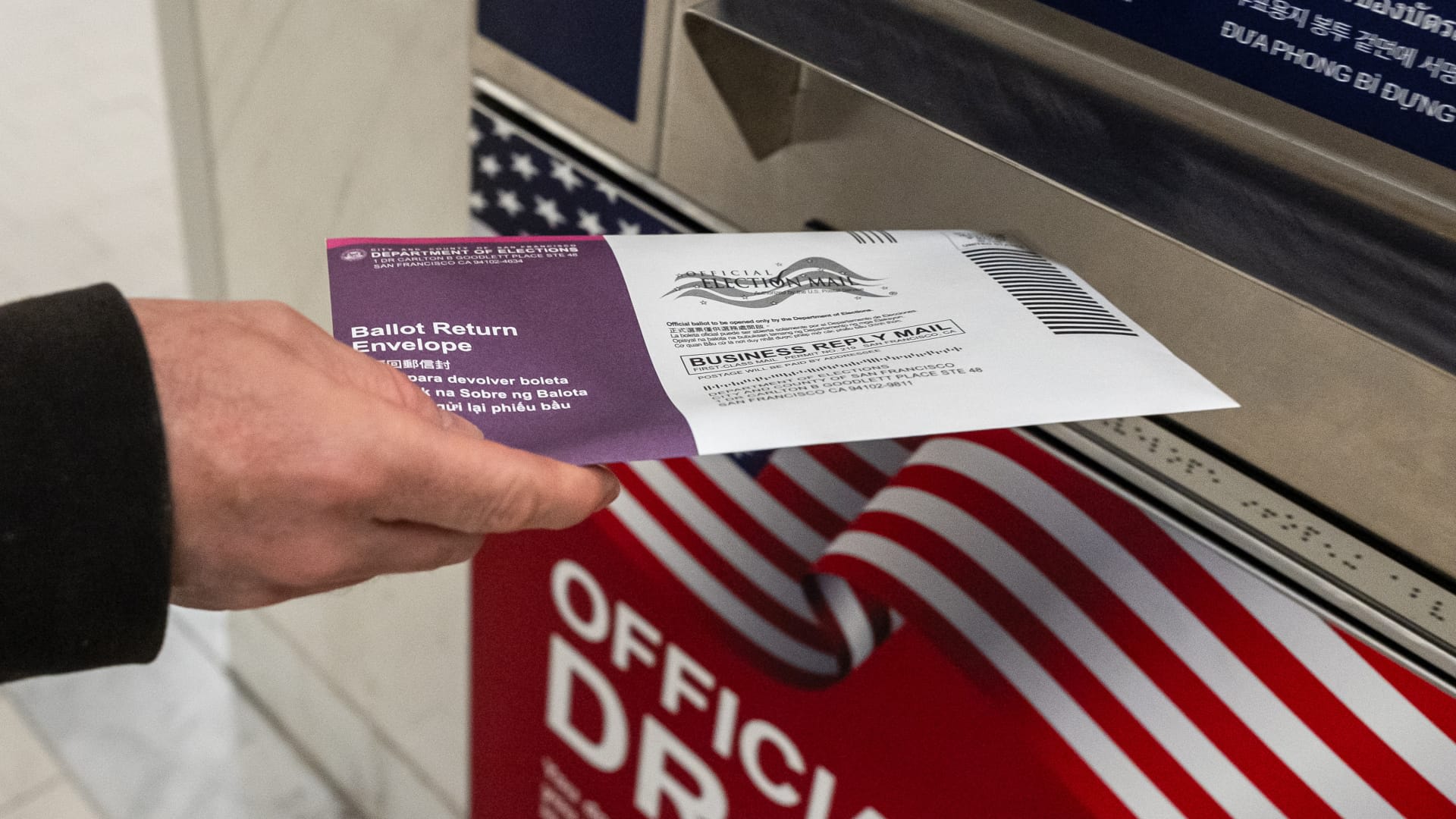
The Trump administration has petitioned the Supreme Court to reinstate restrictions on mail-in voting after a federal appeals court blocked the executive order. This legal battle intensifies the debate over federal versus state authority in election administration ahead of the midterm elections.
The Legal Battle Over Mail-In Voting
The Trump administration has formally petitioned the Supreme Court to intervene in a contentious legal dispute regarding an executive order that seeks to impose restrictions on mail-in voting. This emergency appeal follows a 2-1 ruling by a federal appeals court, which upheld a block on key provisions of the order. The administration’s directive, issued in March, mandates that federal agencies compile voter eligibility lists and restricts the U.S. Postal Service from delivering ballots that are not explicitly tied to these federal-verified lists.
Conflict of Authority: Federal vs. State
The core of this litigation rests on a fundamental constitutional dispute: the extent of presidential authority over election administration. The 23 states challenging the order argue that the executive branch lacks the legal standing to impose federal rules on elections that are traditionally administered by state governments. This tension highlights the historical reliance on state-level control over electoral processes, a principle that the plaintiffs argue is being undermined by the current executive intervention.
The Impact of Judicial Intervention
The federal appeals court’s decision to maintain the block on these restrictions was rooted in the concern that such changes would be profoundly disruptive to state election preparations. With the midterm elections only 99 days away, the court emphasized the need for stability in electoral procedures. By keeping the restrictions blocked, the court acknowledged the potential for chaos if states were forced to overhaul their ballot processing systems mere weeks before citizens head to the polls.
Implications for the Midterms
This legal escalation signifies a critical juncture in the lead-up to the November midterms. The administration’s attempt to link U.S. Postal Service delivery to federal eligibility lists represents a significant departure from standard election operations. If the Supreme Court chooses to intervene, the decision could fundamentally alter how millions of Americans cast their ballots, potentially disenfranchising voters whose ballots might be rejected based on these new, contested federal criteria.
Future Trends in Election Law
Looking forward, this case serves as a bellwether for how election integrity and administrative procedures will be handled in the coming years. Regardless of the Supreme Court's ruling, the debate underscores a permanent shift toward the federalization of election oversight. This trend suggests that future electoral cycles will likely be characterized by persistent legal challenges as both parties continue to contest the mechanisms of voter access and ballot verification at the highest levels of the judiciary.