Gangster Kala Jathedi gets 5-hour parole to attend twin daughters’ naming ceremony
Source Entity
Latest News: Todays Latest News Headlines from India & World | Hindustan Times | Hindustan Times
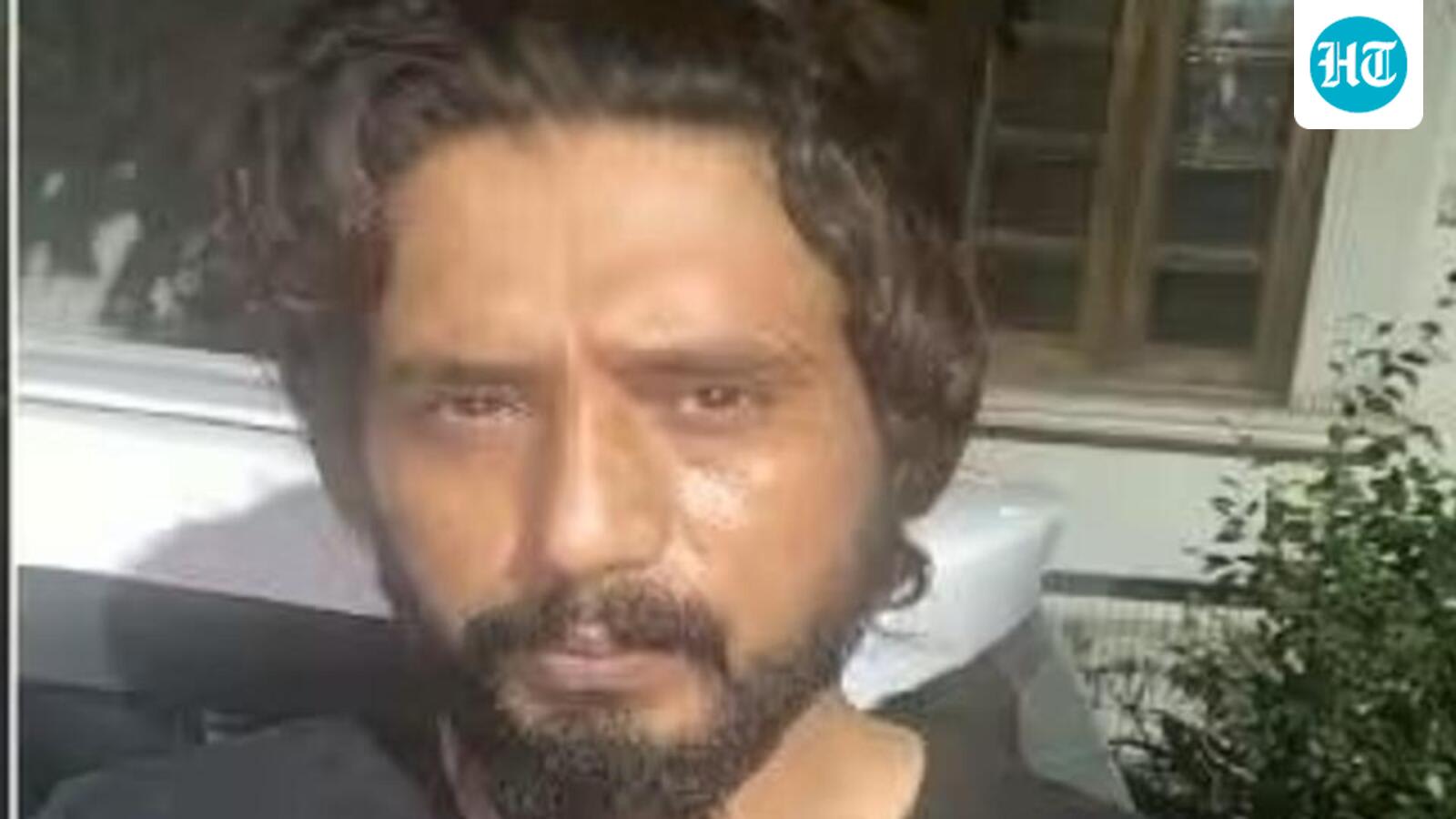
Notorious gangster Kala Jathedi was granted a brief custody parole from Tihar jail to attend his twin daughters' naming ceremony in Sonipat. The event took place under heavy police security, highlighting the legal complexities of prisoner rights and family obligations.
The Legal and Social Dynamics of Custody Parole: The Case of Kala Jathedi
A Rare Judicial Permission
In a development that highlights the intersection of judicial discretion and the personal rights of incarcerated individuals, the notorious gangster Sandeep, widely known as Kala Jathedi, was granted a limited custody parole. Currently serving time in Delhi’s high-security Tihar Jail, Jathedi was escorted to his native Jathedi village in the Sonipat district of Haryana. The purpose of this movement was to facilitate his presence at the naming ceremony for his three-month-old twin daughters, a family milestone that has drawn significant public and administrative attention.
Security Protocols and Logistical Challenges
The logistical undertaking of transporting a high-profile prisoner to a public setting is fraught with security risks. Officials confirmed that the operation required a synchronized effort between Delhi Police and Sonipat Police to ensure the safety of the public and the containment of the prisoner. The temporary release, spanning a window of approximately five to six hours, necessitated a heavy security cordon around the Rai area of Sonipat to prevent any untoward incidents or disturbances associated with the gangster’s presence.
Historical Context: IVF and Incarceration
This event is not the first time Jathedi’s personal life has intersected with the judicial system. Previously, the courts allowed for the collection of IVF samples from the gangster while he was in custody, a decision that sparked extensive debate regarding the rights of prisoners. This precedent-setting move paved the way for the birth of his children and subsequently influenced the current request for parole to participate in familial rites, illustrating how the legal system is increasingly navigating the nuances of biological rights within a custodial framework.
The Balancing Act of Justice
Granting parole to individuals linked to organized crime presents a complex challenge for the judiciary. While the law mandates that prisoners retain certain fundamental rights—such as the ability to participate in essential family functions—the state must simultaneously weigh these against the potential for public disorder or escape. The naming ceremony, marked by public displays such as drumbeats, underscores the tension between the private life of the individual and the high-security status of the prisoner.
Broader Implications and Future Trends
As the legal system continues to evolve, the case of Kala Jathedi serves as a significant case study in the administration of custody parole. It raises broader questions regarding the extent to which the state should facilitate personal milestones for high-risk inmates. Future judicial decisions in similar cases will likely be influenced by the security successes—or failures—of this specific event, potentially setting a standard for how Indian courts handle requests from incarcerated gang leaders seeking to maintain family ties.
Verification Required?