He slept hungry in Bengaluru. Now he is lifeline for city’s migrant workers
Source Entity
Atiya Firdos
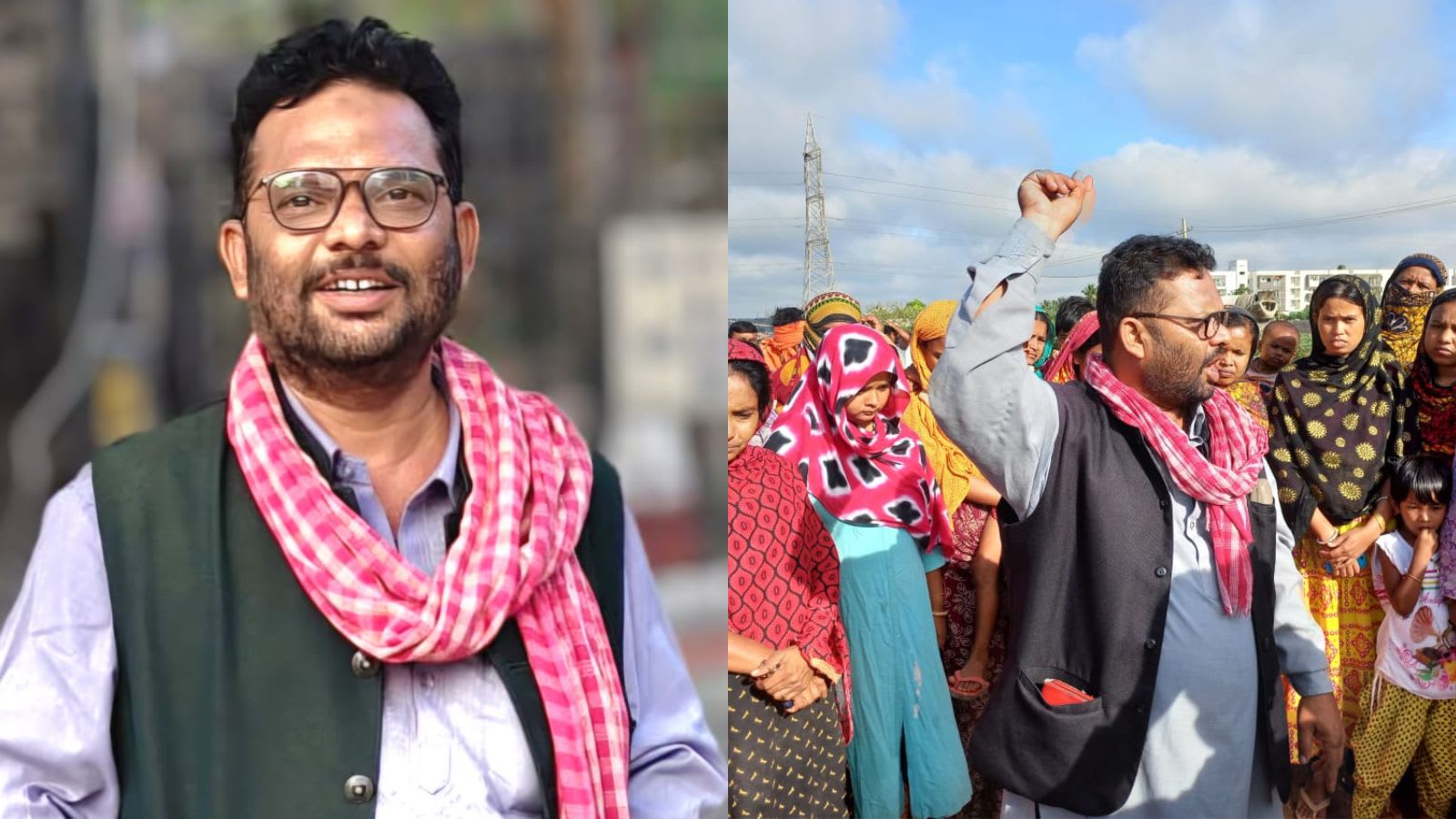
R Kaleemullah, a longtime social activist in Bengaluru, has become a vital support system for migrant workers facing wage theft, eviction, and legal crises. Leveraging his role at the All India Shramik Swaraj Kendra, he coordinates a vast network of volunteers to provide essential aid to the city's most vulnerable laborers.
The Unofficial Safety Net: R Kaleemullah’s Mission in Bengaluru
In the sprawling urban landscape of Bengaluru, the rapid pace of development often obscures the precarious existence of its migrant workforce. R Kaleemullah, a 51-year-old activist and the national vice-president of the All India Shramik Swaraj Kendra, has emerged as a critical lifeline for these individuals. Having experienced his own struggles with hunger and hardship in the city decades ago, Kaleemullah now functions as an informal but essential advocate for those who find themselves systemically sidelined.
Navigating Systemic Crises
Migrant workers in Bengaluru frequently encounter severe hurdles, including sudden eviction notices, withheld wages, and medical emergencies that are financially ruinous. When these workers hit a wall—whether it is a lack of legal representation or a refusal by authorities to register complaints—they turn to Kaleemullah. His intervention acts as a bridge between the disenfranchised and the institutional support systems that often prove inaccessible to those without local connections or resources.
The Power of Grassroots Networking
Over three decades, Kaleemullah has meticulously cultivated a robust network comprising trade unionists, lawyers, and social workers. This is not merely an individual effort but a sophisticated grassroots operation. By connecting victims of labor exploitation with professionals who can navigate the legal and bureaucratic complexities of the city, he creates a safety net that operates where state or corporate mechanisms often fail to provide timely relief.
Beyond Advocacy: A Presence on the Ground
Kaleemullah’s approach is defined by his physical presence. Whether it is standing in the corridors of a hospital to advocate for emergency care or visiting police stations to ensure that a migrant’s complaint is filed and taken seriously, he provides a sense of security to those who feel invisible. His work highlights the critical role of civil society in protecting the rights of the labor force that sustains the city’s economy.
Broader Implications and Future Trends
This narrative underscores a growing trend in urban Indian centers: the increasing reliance on community-led activism to address the vulnerabilities of the informal labor sector. As cities like Bengaluru continue to attract millions of migrants, the demand for such grassroots advocates will likely rise. The work of activists like Kaleemullah suggests that until institutional labor protections are strengthened, individual-led networks will remain the most reliable recourse for migrant workers seeking justice and basic human dignity.
Conclusion
Ultimately, the story of R Kaleemullah is one of resilience and the profound impact of empathy in public service. By transforming his past hardships into a platform for advocacy, he has become a cornerstone of support for Bengaluru’s migrant community, demonstrating that effective change is often driven by those who are intimately familiar with the struggles of the people they serve.